Nigeria's Role at UNGA 2026: Vice President Shettima Advocates for Reform
At the 2026 UN General Assembly, Nigeria's Vice President emphasized the need for Security Council reform and regional cooperation.


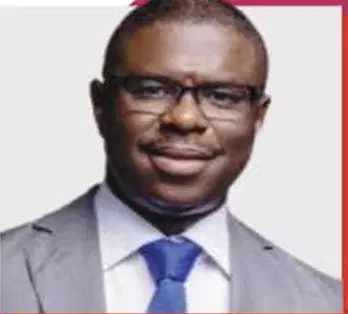
During the recently concluded 2026 United Nations General Assembly (UNGA), Nigeria's Vice President, Kashim Shettima, took center stage, advocating for significant reforms in the UN Security Council and addressing pressing issues in Sudan and the Sahel region. His speech came on the heels of a poignant warning from UN Secretary-General António Guterres, who highlighted the growing global challenges that threaten international cooperation.
Guterres, in his final address to the General Debate, described the world's crises as having transformed from cracks into canyons, citing war, inequality, and mistrust as critical factors straining global institutions. He called for a renewed commitment to collective action and reform, urging governments to step up their efforts in addressing these challenges.
Shettima's address on September 24 underscored Nigeria's position on the need for reform within the Security Council, particularly in light of the African Union's demand for at least two permanent seats for African nations. Nigeria's aspirations for a permanent seat are bolstered by this collective call, but the Vice President emphasized that such ambitions must be supported by a consensus among African nations and a demonstration of Nigeria's capability to take on responsibilities beyond its borders.
The absence of President Bola Tinubu, who has missed the last three General Assemblies, was notable and raised questions about Nigeria's diplomatic strategy. While Shettima is capable of conducting serious negotiations, the lack of presidential presence may limit Nigeria's influence and opportunities for direct engagement with other world leaders. Analysts suggest that the Nigerian government should clarify the rationale behind this delegation strategy and what it hopes to achieve without the President's direct involvement.
The ongoing conflict in Sudan, which has displaced millions and created a humanitarian crisis, was a focal point in Shettima's speech. He called for sustained diplomatic efforts and humanitarian access, stressing the need for Nigeria to play a proactive role in alleviating the suffering of the Sudanese people. He also highlighted the importance of collaboration with other nations to address the security challenges in the Sahel, where countries like Mali, Burkina Faso, and Niger have distanced themselves from the Economic Community of West African States (ECOWAS).
Shettima pointed out that despite political disagreements, Nigeria must maintain practical channels for cooperation in intelligence sharing, border management, and humanitarian assistance to ensure the safety and well-being of citizens across the region. He emphasized that rebuilding trust among neighboring countries requires patience and a commitment to cooperation, rather than displays of authority from afar.
Domestically, Nigeria faces its own security challenges, with armed groups posing significant threats. Shettima noted that the success of security operations must be matched with justice for victims and opportunities for communities affected by violence. He argued that a government perceived as distant and only present in times of crisis cannot expect to earn the trust of its citizens.
Furthermore, the Vice President addressed the economic implications of global conflicts, particularly how rising oil prices and disrupted supply chains can affect Nigeria's economy. He urged the government to focus on diversifying its revenue sources and enhancing domestic production to build resilience against external shocks.
As Nigeria moves forward from this year's UNGA, the Vice President's speech serves as a call to action for the government to follow through on its commitments. Shettima outlined five key tasks for Nigeria, including sending clear and concise delegations led by the President, repairing ties with Sahel neighbors, ensuring justice and opportunity in security operations, diversifying the economy, and working collaboratively with major powers.
In conclusion, Nigeria's participation in the UNGA is not merely about delivering speeches but about translating those words into actionable commitments that resonate with both domestic and international audiences. The government is urged to provide transparent accounts of its engagements and follow-ups, ensuring that citizens are informed of the outcomes of their representation on the global stage.
Sources
- Vanguard News Original article