Nigeria aims to create one million outsourcing jobs by 2030 with new campaign
The 'Hire From Nigeria' initiative seeks to connect young professionals with global employers.


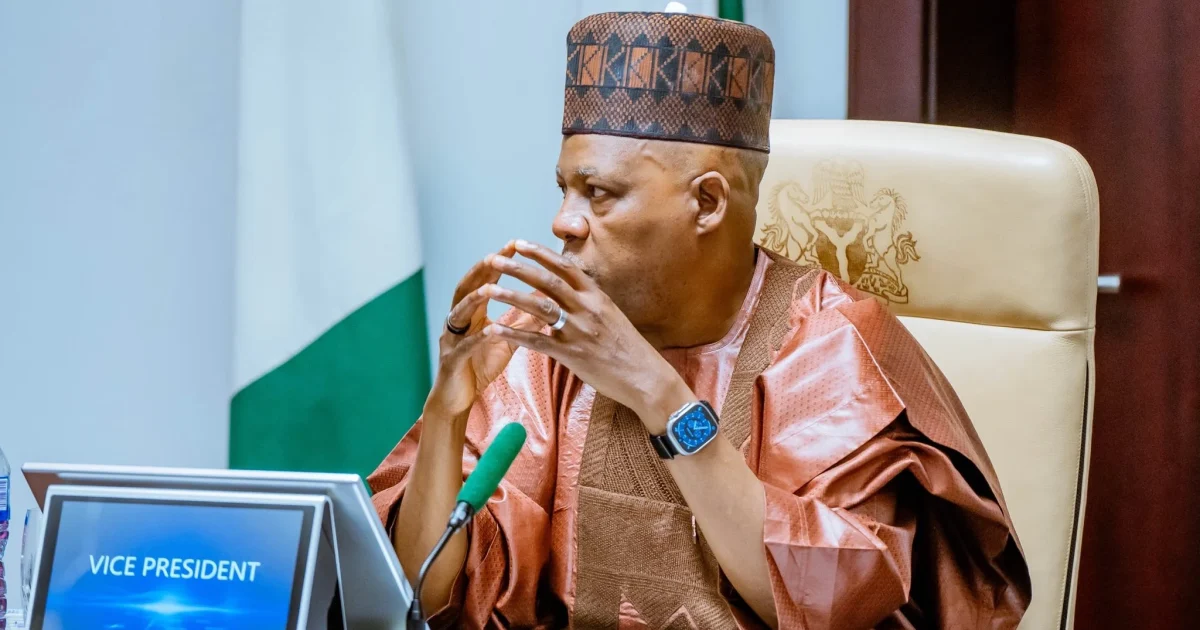
Nigeria has launched an ambitious initiative aimed at establishing the country as a prominent player in the global outsourcing market. The 'Hire From Nigeria' campaign was officially introduced by Vice President Kashim Shettima during a global launch event in New York, where he emphasized the potential for Nigeria to become a key outsourcing hub. The government is setting a bold target of creating one million export-linked jobs by the year 2030, a significant increase from the current estimate of just 20,000 Nigerians employed in outsourcing roles.
The campaign aims to tap into Nigeria's vast pool of young professionals, who are increasingly equipped with skills in technology, finance, creative industries, and various professional services. This initiative is not only about job creation; it also envisions producing 10 million globally certified Nigerians by 2030. However, experts caution that without concrete actions, such ambitious goals could remain mere slogans.
Nigeria's youthful population, coupled with a workforce proficient in English, positions the country favorably to attract international employers. The 'Hire From Nigeria' campaign builds on previous government efforts to promote talent export and outsourcing, but it requires a strategic approach to be truly effective. The government recognizes that countries like India and the Philippines have successfully leveraged outsourcing to create jobs and generate foreign exchange, and Nigeria aspires to follow suit.
However, the path to achieving these targets is fraught with challenges. A critical issue is the need for reliable electricity. As the country seeks to attract international companies, it must address the persistent problem of power outages that hinder business operations. Reliable electricity and connectivity are essential for a thriving outsourcing sector.
Furthermore, the government must enhance broadband infrastructure to ensure that fast and affordable internet access reaches all parts of the country, not just major urban centers like Lagos and Abuja. The World Bank has highlighted the importance of broadband as a catalyst for job creation, and Nigeria must prioritize expanding connectivity to underserved regions.
Skills development is another area requiring urgent attention. While Nigeria has a large pool of young people, there is a need for a workforce that meets international standards. Employers are looking for candidates with demonstrable skills, recognized certifications, and the ability to communicate effectively. The Education Minister, Tunji Alausa, has advocated for a system that encourages problem-solving and practical skills over mere academic qualifications.
Moreover, building digital trust is crucial for attracting international companies. Issues such as data protection, cybersecurity, and the integrity of payment systems must be addressed to foster confidence in Nigeria as a viable outsourcing destination. The government also needs to streamline processes for Nigerian freelancers and service companies to facilitate international payments and transactions.
In addition to creating a conducive environment for outsourcing, the government aims to harmonize various existing initiatives, such as the National Talent Export Programme and the 3 Million Technical Talent programme, to avoid duplication of efforts. Clear targets and timelines must be established to measure progress and ensure accountability.
The 'Hire From Nigeria' initiative is not limited to technology jobs. It encompasses a wide range of sectors, including accounting, legal services, healthcare support, and creative services. States are encouraged to develop outsourcing hubs with the necessary infrastructure to attract business-process outsourcing companies, thereby spreading employment opportunities beyond traditional commercial centers.
Ultimately, Nigeria's success in exporting services could significantly contribute to a more diversified economy and provide millions of young Nigerians with access to global job opportunities. As the country embarks on this journey, it must focus on building the required infrastructure, skills, and policies to transform its potential into reality. The global launch of 'Hire From Nigeria' should mark the beginning of sustained efforts rather than a one-off campaign, ensuring that Nigeria's talent can thrive in the international marketplace.
Sources
- Punch Newspapers Original article