Kidnapping Crisis in Northern Nigeria Fuels Ransom Economy and Desperation
Families in Northern Nigeria face dire choices as kidnappers exploit their pain for profit.


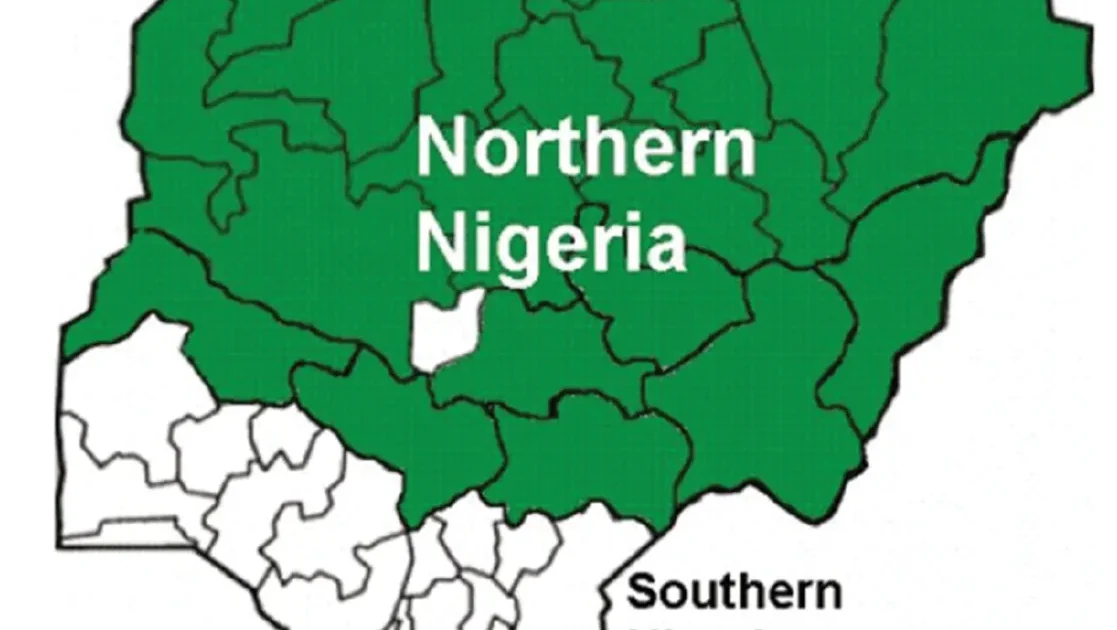
The ongoing kidnapping crisis in Northern Nigeria has evolved into a troubling ransom economy, where families are forced into desperate measures to secure the release of their loved ones. Across states like Kebbi, Zamfara, and Kwara, the abduction of individuals has become a catalyst for a complex web of financial negotiations, often leading to the sale of personal property and community fundraising efforts.
Reports indicate that once a loved one is taken, families are thrust into a harrowing journey that involves negotiating ransoms, often amounting to millions of naira. In Kebbi State, for instance, the abduction of High Court judge Justice Faruk Hassan Bunza highlights the grim reality of these negotiations. Initially, the kidnappers demanded N200 million, but after negotiations, this was reduced to N50 million. The judge was released after nine days in captivity, underscoring how the price of freedom is often negotiated like a commercial transaction.
The ransom economy is not merely about cash; it has expanded to include other forms of payment. In Zamfara, families have resorted to offering motorcycles, food supplies, and even recharge cards to secure the release of captives. The case of Bashar Sani, who was abducted along with his wife, illustrates this grim reality. Although his family paid N20 million and provided three motorcycles, Sani was ultimately killed after 42 days in captivity. Such incidents expose the brutal truth that payment does not guarantee survival.
In Kwara State, families are similarly forced to sell farmland and other assets to raise ransom money. One family reportedly sold their property to meet a reduced ransom demand of N5 million for their abducted children, only to face further demands from the kidnappers. This cycle of desperation not only secures individual releases but also deepens the economic crisis for families who rely on their land for sustenance.
The burden of ransom payments has extended beyond individual families to entire communities. In Oro-Ago, residents raised about N60 million to free three children who had been held for four months. Contributions came from community members both locally and abroad, illustrating the collective struggle against the kidnapping epidemic. However, this communal effort often leads to a depletion of local resources, as families and communities are drained financially while trying to secure the safety of their loved ones.
The dilemma is compounded by the government’s stance against negotiating with kidnappers. In Zamfara, about 50 farmers attempted to negotiate with bandits but remained captive due to the state government’s refusal to engage. Families are caught in a moral quandary: pay ransoms and potentially fund criminal enterprises or risk leaving their loved ones in peril.
Some cases have shown that not all kidnappings end in ransom payments. In Omu-Aran, security forces were able to rescue a victim without any ransom being paid, demonstrating that swift intervention can disrupt the cycle of abduction and payment. However, these instances are rare compared to the growing trend of ransom demands.
As the kidnapping crisis continues to escalate, the economic and social ramifications are profound. Families are not only losing loved ones but are also being pushed into deeper poverty as they liquidate their assets to meet ransom demands. The cycle of abduction and ransom payments threatens the very fabric of communities in Northern Nigeria, creating a landscape where fear and desperation prevail.
Sources
- Punch Newspapers Original article