Political Intimidation Threatens Peace Ahead of Nigeria's 2027 Elections
As the campaign season heats up, politicians across Nigeria are resorting to threats and violence against dissenters.


The political landscape in Nigeria is increasingly fraught with tension as the countdown to the 2027 general elections begins. Recent reports indicate a disturbing trend of threats and intimidation directed at voters and political opponents by influential figures within the ruling All Progressives Congress (APC). This alarming development has raised concerns among civil society groups and opposition parties, who fear it could lead to widespread violence similar to past elections.
Across various states, including Osun, Borno, Kebbi, and the Federal Capital Territory (FCT), politicians have been recorded making incendiary remarks aimed at citizens who do not align with the APC. For instance, in Yobe State, the APC chairman, Alhaji Mohammed Gadaka, sparked outrage by suggesting that women should divorce their husbands if they opposed the party. Although he later retracted his statement, the damage was done, highlighting the reckless nature of political discourse in the region.
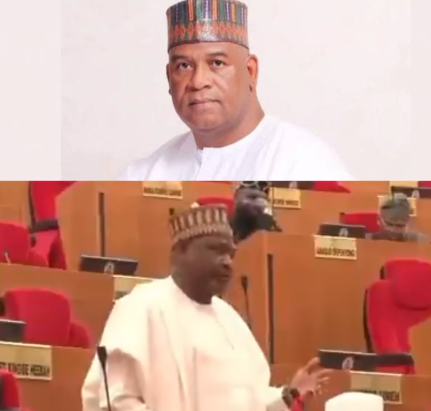
In Osun State, Senator Francis Adenigba Fadahunsi was caught on video urging APC supporters to kill members of the Accord party if they encountered them before the elections. His comments, which he later claimed were misinterpreted, have been condemned as a serious threat to national security, prompting calls for his arrest from Governor Ademola Adeleke.
The situation in the FCT is no less concerning. Kuje Area Council Chairman Samuel Danjuma Shekwolo threatened residents who do not support the APC, stating they should leave the area. Amnesty International condemned this as a blatant call to violence, emphasizing that no public official should tie residency to political allegiance.
In Borno State, Commissioner for Youth and Sports Development, Sainna Buba, made chilling threats against anyone who refused to support the APC, claiming they would be flogged or have fingers broken. This rhetoric has drawn sharp criticism from both the Nigeria Democratic Congress and human rights organizations, who warn that such statements contribute to a climate of fear and intimidation.
Kebbi State's political atmosphere is equally troubling, with local government chairman Alhaji Atiku Ahmad Mandiya declaring that anyone who criticized Governor Nasir Idris should be dealt with. He further instructed party loyalists to monitor polling units to ensure the APC's dominance in the upcoming elections.
Amid these threats, the International Republican Institute reported over 81 election-related violent incidents in Osun alone in the past year, with rising concerns about the security situation as the elections approach. The Kimpact Development Initiative's pre-election security assessment highlighted 73 violent incidents leading to 29 deaths, underscoring the urgent need for intervention.
Public sentiment reflects growing unease about the political climate. Citizens express frustration over the increasingly aggressive tactics employed by politicians. Trader Chima Okonkwo remarked, "What we are seeing from these politicians is pure desperation. They are no longer asking for our votes; they are telling us that our lives don’t matter if we disagree with them."
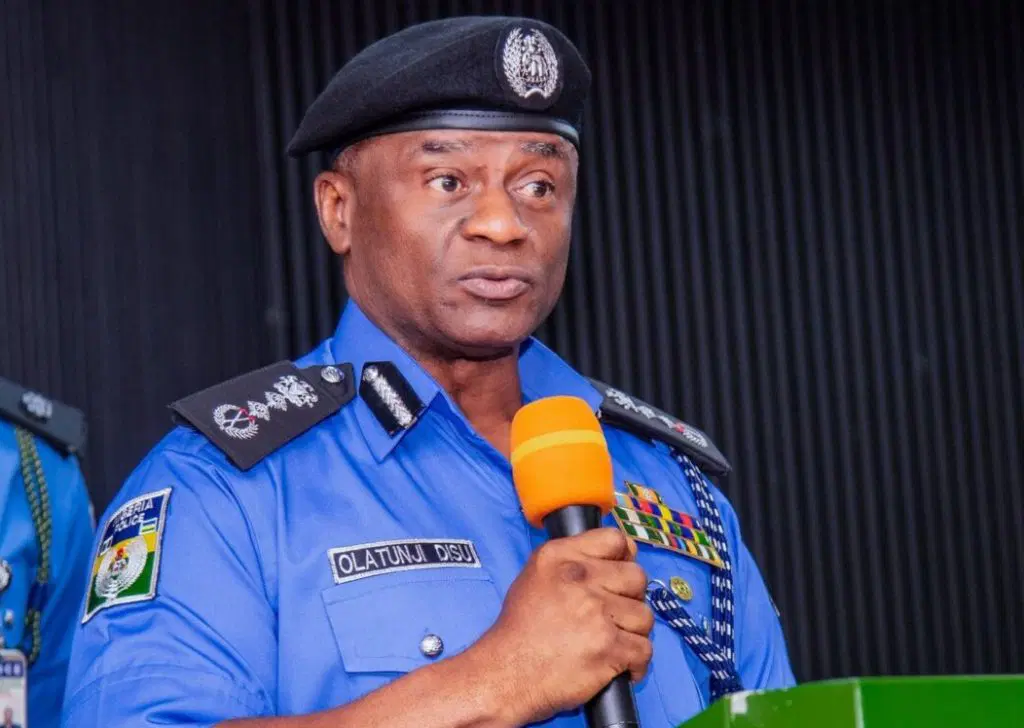
Human rights advocate Babatunde Adeleke warned that without decisive action from security agencies, the upcoming elections could devolve into chaos. He stated, "If the Inspector General of Police does not make high-profile arrests now, 2027 will not be an election; it will be a war zone."
As Nigeria approaches what is anticipated to be a contentious electoral season, the need for accountability and a commitment to democratic principles has never been more critical. The rhetoric from political leaders must be tempered to prevent further escalation of violence and to protect the rights of all citizens to participate freely in the democratic process.
Sources
- Vanguard News Original article