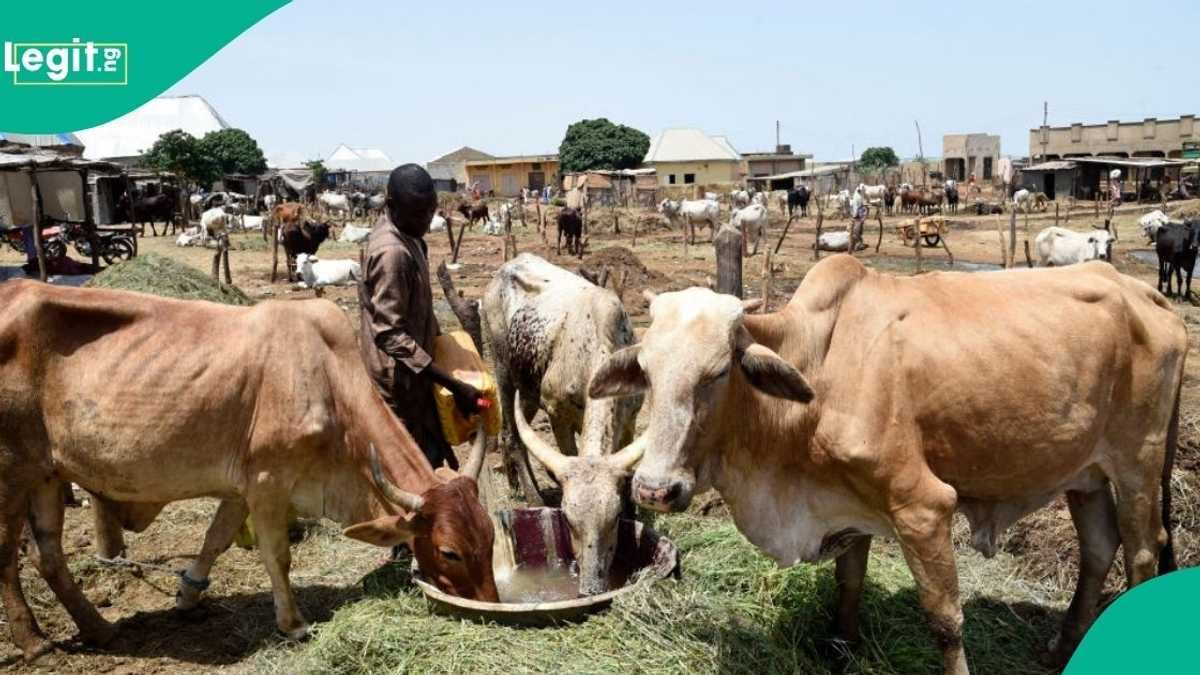
Experts highlight low productivity and market gaps as barriers to farmers' prosperity
Nigerian farmers face severe challenges due to low productivity and fragmented markets, experts say.


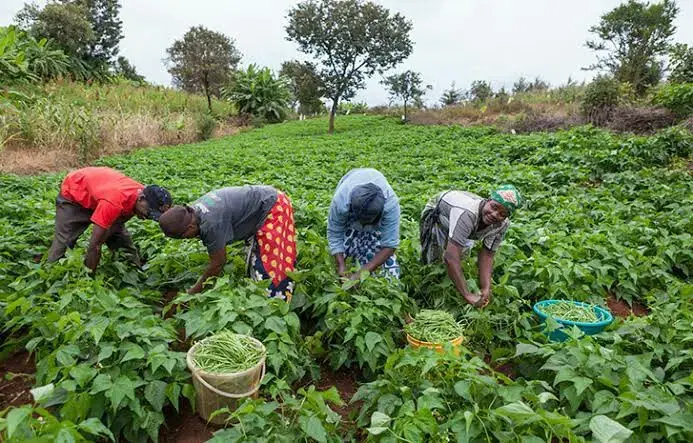
Nigerian farmers are facing significant challenges that keep them trapped in poverty, primarily due to low productivity and gaps in the supply chain. Industry experts voiced these concerns during the recent Climate Smart Agriculture Dialogue Series organized by the TransGreen Foundation.
Dr. Godwin Atser, Country Director of the Sasakawa Africa Association, emphasized that Nigeria's agricultural productivity lags behind that of other countries, particularly India. He noted that while a Nigerian farmer earns approximately $480 to $490 annually, their Indian counterparts make around $2,000. This disparity in earnings is largely attributed to the lower yields of key crops such as rice, wheat, and maize in Nigeria compared to India.
Atser pointed out that the issue of low productivity is critical. He stated, "Our farmers are trapped in poverty. If we want our farmers to overcome this, we have to solve the issues around low productivity." He further explained that climate change exacerbates these challenges, introducing rising temperatures, floods, droughts, pests, and diseases that undermine agricultural progress.
In response to these pressing issues, the Sasakawa Africa Association has shifted its focus towards regenerative agriculture over the past five years. This approach integrates soil fertility management, conservation agriculture, and market-oriented farming, which has reportedly led to significant yield increases in Kano. For instance, rice yields have increased by over 200%, while maize, millet, and sorghum have seen increases of 160%, 160%, and 150%, respectively.
Dr. Olushola Obikanye, Group Head of Agriculture and Solid Mineral Finance at Sterling Bank Plc, echoed similar sentiments regarding the struggles faced by smallholder farmers. He indicated that weak market structures contribute to substantial losses, with farmers losing between 50% and 60% of their produce depending on the commodity. He noted that these losses stem from a fragmented market supply chain, which hampers farmers' ability to access the right markets.
Obikanye highlighted the importance of improved data and measurable outcomes in agricultural financing, stating, "Financing thrives on data, financing thrives on outcomes." He advocated for patient capital in regenerative agriculture, emphasizing that financial structures must align with biological transitions rather than traditional harvest cycles.
To mitigate these challenges, experts recommend enhancing access to insurance, technical assistance, market access, and better data to reduce risks and make agricultural finance more affordable. They believe that addressing these issues is crucial for improving the livelihoods of Nigerian farmers and ensuring food security in the region.
Sources
- Vanguard News Original article