INEC prepares for 2027 elections amid budget delays for BVAS replacement
As the 2027 general elections approach, INEC is awaiting budget approval to replace damaged BVAS.


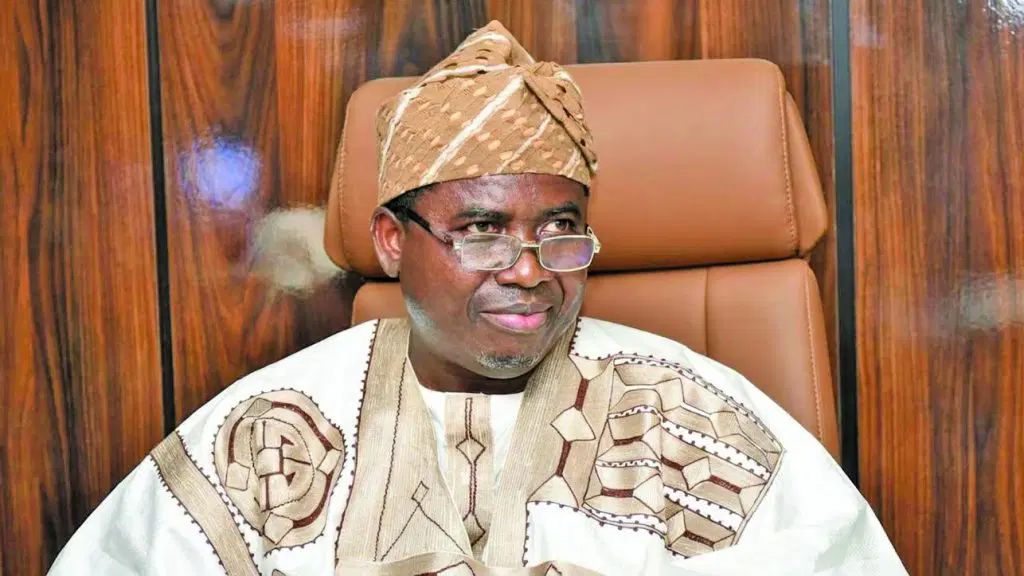
With the 2027 general elections just months away, the Independent National Electoral Commission (INEC) is currently awaiting the full release of a substantial budget intended for the upcoming polls. This announcement was made during the 13th Annual International Conference of the Association of Communication Scholars & Professionals of Nigeria (ACSPN) in Abuja, where INEC Chairman, Prof. Joash Amupitan, SAN, was represented by National Commissioner Sani Adam, SAN.
The proposed budget includes significant allocations for technological advancements and election operations, particularly for the procurement of new Bimodal Voter Accreditation System (BVAS) devices to replace those lost or damaged during the last electoral cycle. Despite the pending release of these funds, INEC's ICT team has already begun engaging manufacturers for procurement, and preparations for a mock presidential election are underway to test the BVAS and the INEC Result Viewing Portal (IReV) under conditions that mimic actual election day.
Prof. Amupitan emphasized the importance of integrating electoral technology with communication strategies, particularly in light of the growing threat posed by artificial intelligence-driven disinformation. He noted that the credibility of the upcoming elections hinges not only on the integrity of the voting process but also on the public's understanding and trust in the electoral system.
The deployment of BVAS and IReV was initially aimed at bridging the credibility gap in Nigeria's electoral process, allowing citizens to view polling unit results before they could be altered during collation. However, the performance of these technologies during the 2023 General Election raised concerns, as any underperformance can lead to public doubt about their reliability. Amupitan stated, "Legitimacy is earned only when systems perform reliably, are well understood, and are explained honestly when they fall short."
The INEC Chairman also highlighted the challenges posed by generative AI, which has made it easier to create and disseminate manipulated content. He cited instances of doctored political materials that circulated during Nigeria's 2023 presidential election, warning that such disinformation could reach millions before verification is possible. Amupitan pointed out that the danger lies not only in outright fabrications but also in targeted messaging that can confuse voters without a shared factual basis.
To address these issues, Amupitan outlined a five-point strategy for INEC moving forward. This includes:
- Integrating technology and communication planning
- Establishing a rapid-response capability to counter falsehoods
- Pre-emptive public communication regarding known vulnerabilities
- Strengthening partnerships with media scholars, fact-checkers, and technology platforms
- Investing in public media literacy
He also commended INEC's collaboration with international partners on cybersecurity and system resilience, inviting ACSPN and communication scholars to engage in structured collaborations on media literacy research and training for journalists and civic educators.
As Nigeria prepares for the 2027 elections, Amupitan noted that the electorate will be younger and more reliant on mobile technology than ever before. He urged that solutions implemented in other contexts must be tailored to Nigeria's unique challenges, including internet access, language diversity, and institutional trust. INEC's approach to disinformation, he asserted, will focus on providing timely and accurate information rather than restricting legitimate journalism or civic expression.
Sources
- Vanguard News Original article