African Woman Criticizes Senator Shehu Sani Over Political Advice to AES Leaders
A woman from the AES has gone viral for her strong response to Senator Sani's tweet.


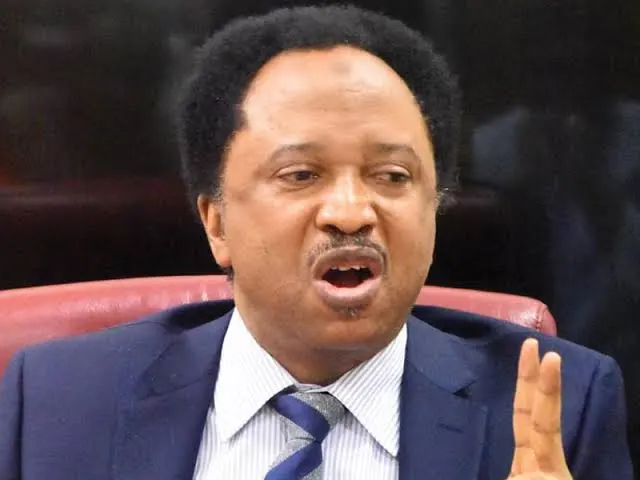
A strong backlash has emerged against Nigerian Senator Shehu Sani following his recent comments regarding the political situation in the Alliance of Sahel States (AES). The senator, who represents Kaduna Central, took to social media platform X to share his views on the leadership in Mali, Niger, and Burkina Faso, urging them to transition to civilian rule and engage with the Economic Community of West African States (ECOWAS).
Sani's post featured images of three key leaders from the AES: General Abdourahamane Tchiani of Niger, Assimi Goïta, the transitional President of Mali, and Ibrahim Traoré, the transitional leader of Burkina Faso. In his message, he emphasized that these leaders should organize elections to avoid further military conflicts and suggested that relying on Russia for security was not a viable long-term strategy.
However, his comments did not sit well with a woman from one of the AES countries, who publicly criticized Sani's perspective. In her viral response, she remarked, "The day we need an advice from a country run by a drug kingpin, incapable of getting rid of Boko Haram for decades, who calls on the Americans to bomb its own people and on France to destabilize its neighbors, we'll let you know." This statement resonated with many, leading to an outpouring of support for her among Nigerian users who echoed her sentiments.
The AES, which includes Mali, Niger, and Burkina Faso, was formed as a mutual defense pact and political confederation amid rising security concerns in the region. The recent military coups in these countries have drawn international attention, with calls for democratic governance becoming increasingly urgent. Sani’s remarks reflect ongoing debates about foreign influence and the role of regional bodies in stabilizing West Africa.
The senator's comments and the subsequent backlash highlight the complex dynamics of political advice and intervention in West African affairs, especially when it comes from a country facing its own security challenges. As the situation in the AES continues to evolve, the reactions from both local and international communities will likely play a crucial role in shaping future dialogues and policies.
Sources
- Linda Ikeji's Blog Original article