Libya's rival factions ink UN-backed agreement to pave way for elections
Political groups in Libya have signed a UN-backed deal aimed at facilitating delayed national elections.


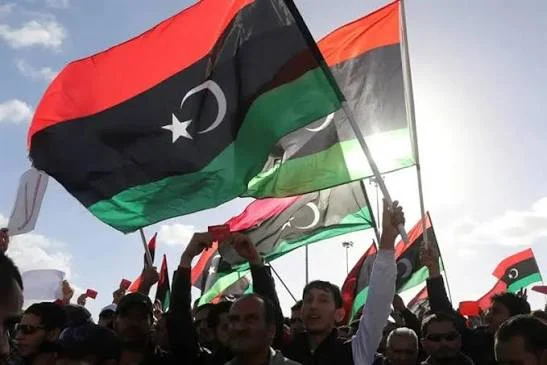
In a significant development for Libya's political landscape, representatives from the country's rival factions signed a UN-backed agreement on Sunday in Tripoli. This agreement is seen as a crucial step towards organizing long-overdue national elections, which have been stalled due to ongoing divisions within the country.
The signing took place at the headquarters of the UN Support Mission in Libya, with the mission's chief, Hanna Tetteh, present to witness the event. The agreement outlines plans for both legislative and presidential elections to be conducted within the next 24 months, contingent upon the establishment of a unified executive authority and national institutions, which are currently lacking.
Libya has been grappling with instability since the 2011 NATO-supported uprising that ousted former leader Muammar Gaddafi. Presently, two competing governments are vying for control: one based in Tripoli, led by Prime Minister Abdulhamid Dbeibah, and another in the east, which is backed by military commander Khalifa Haftar. Dbeibah characterized the agreement as an “important step” towards resolving the political impasse.
Haftar also expressed support for the agreement, noting its potential to address longstanding issues that have hindered the Libyan populace's aspirations for democratic governance. He emphasized the need for progress in resolving these challenges, which have delayed the electoral process for years.
Tetteh praised the agreement and urged all parties involved to translate the signed text into actionable steps. The agreement notably includes provisions for restructuring the High National Electoral Commission, which is vital for overseeing the electoral process.
The initial plan for presidential elections was set for late 2021, but disputes among the factions led to indefinite postponements. Key disagreements have revolved around the eligibility of military personnel and dual nationals to run for office, as well as whether the presidential and legislative elections should occur simultaneously or separately.
In August 2025, the UN proposed a comprehensive roadmap aimed at facilitating general elections and the unification of Libya's fragmented institutions. This roadmap seeks to create a politically viable electoral framework and establish a new unified government. It is important to note that the recent UN-backed agreement operates independently from another initiative led by Massad Boulos, a senior adviser to former US President Donald Trump, which aims to foster reconciliation between Libya's eastern and western authorities.
As Libya moves forward with this new agreement, the international community remains hopeful that it will lead to a more stable political environment and the restoration of democratic processes in the oil-rich nation.
Sources
- Punch Newspapers Original article