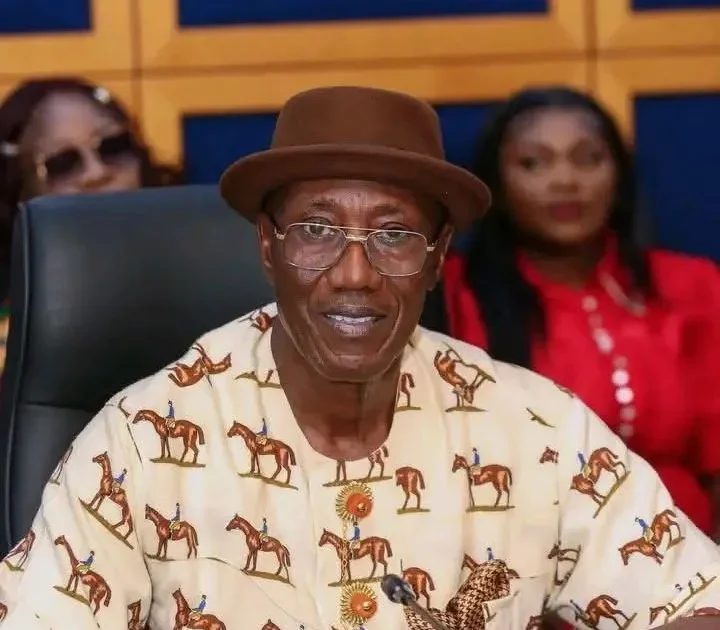
Tinubu's US Drug Trafficking Records to be Released with Key Redactions
Aloy Ejimakor reveals that significant portions of President Tinubu's records will be withheld.


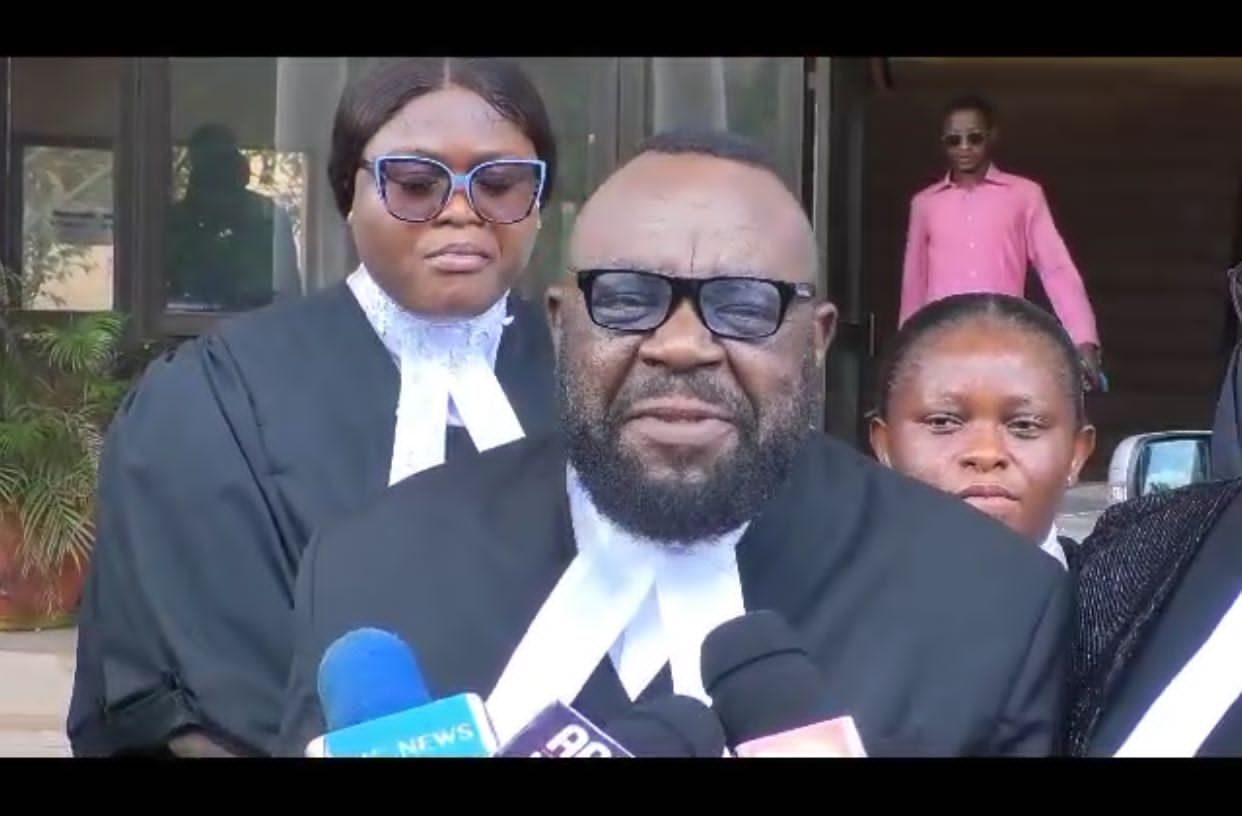
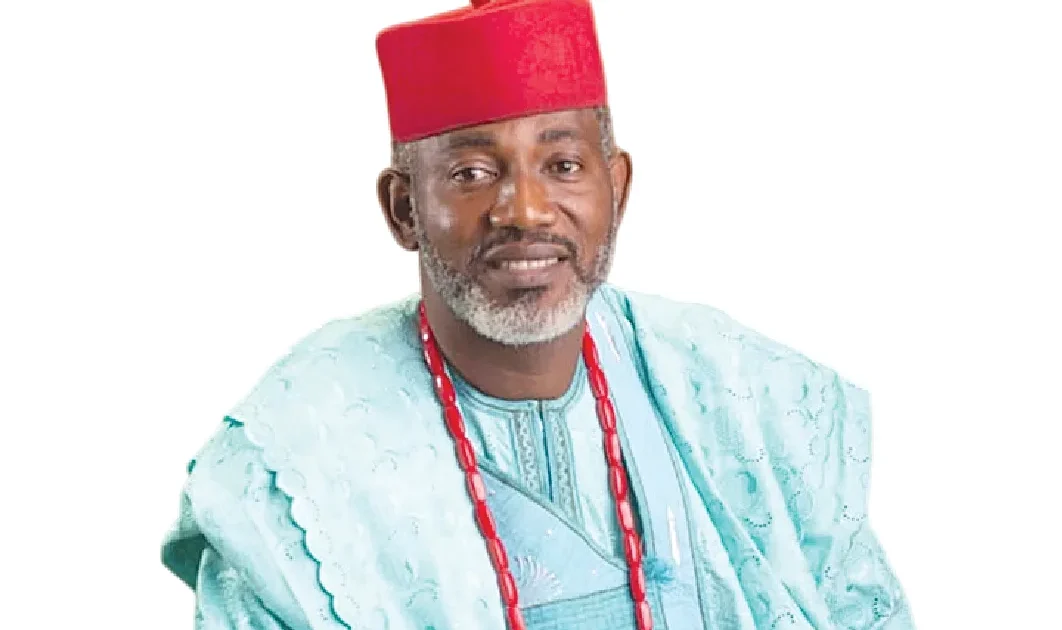
Aloy Ejimakor, the Special Counsel to Nnamdi Kanu, leader of the Indigenous People of Biafra (IPOB), has announced that President Bola Tinubu's records concerning alleged drug trafficking in the United States will be made available, albeit with significant redactions. This development follows a recent ruling by a US federal court allowing for an ex parte review of sensitive documents related to Tinubu as part of an ongoing Freedom of Information Act (FOIA) lawsuit.
Ejimakor explained that while some information will be disclosed, details deemed to have minimal political significance will be kept confidential. He emphasized that the FBI's request for an ex parte review highlights concerns regarding the safety of individuals and the protection of sensitive law enforcement techniques. In a statement titled "Analysing FBI’s stonewall on President Tinubu’s US records," he elaborated on the implications of this request.
The FBI's application to the U.S. District Court seeks permission to explain, under seal, the reasons for withholding certain records related to President Tinubu. According to Ejimakor, the FBI argues that releasing these documents could potentially endanger the physical safety of individuals involved, including confidential informants and law enforcement personnel connected to investigations dating back to the 1990s.
Ejimakor pointed out that the FBI's justification for withholding information falls under the US FOIA Exemption 7(F), which allows agencies to withhold records if their disclosure could reasonably be expected to endanger someone's life or physical safety. He noted that courts only require a reasonable expectation of harm, not absolute certainty, to uphold such claims.
The potential risks associated with releasing the records include exposing the identities of confidential informants, which could lead to retaliation from individuals still linked to the alleged drug trafficking network. Ejimakor also mentioned that revealing the names of law enforcement personnel involved in the investigations could result in harassment or targeted attacks against them.
In his statement, Ejimakor predicted that while some of Tinubu's records will eventually be disclosed, many critical details will remain hidden from the public eye, leaving only information that lacks significant political value. This situation raises questions about transparency and accountability in the context of serious allegations against a sitting president.
As the case unfolds, the balance between public interest and the protection of individuals involved in sensitive law enforcement matters remains a key concern for both the FBI and the court system. The outcome of this review could have implications not only for President Tinubu but also for the broader discourse on governance and integrity in Nigeria.
Sources
- DailyPost Original article