Duke criticizes Tinubu's economic policies, calls for new measures of success
Former governor Donald Duke argues that Nigeria's economic health should focus on employment and income metrics.


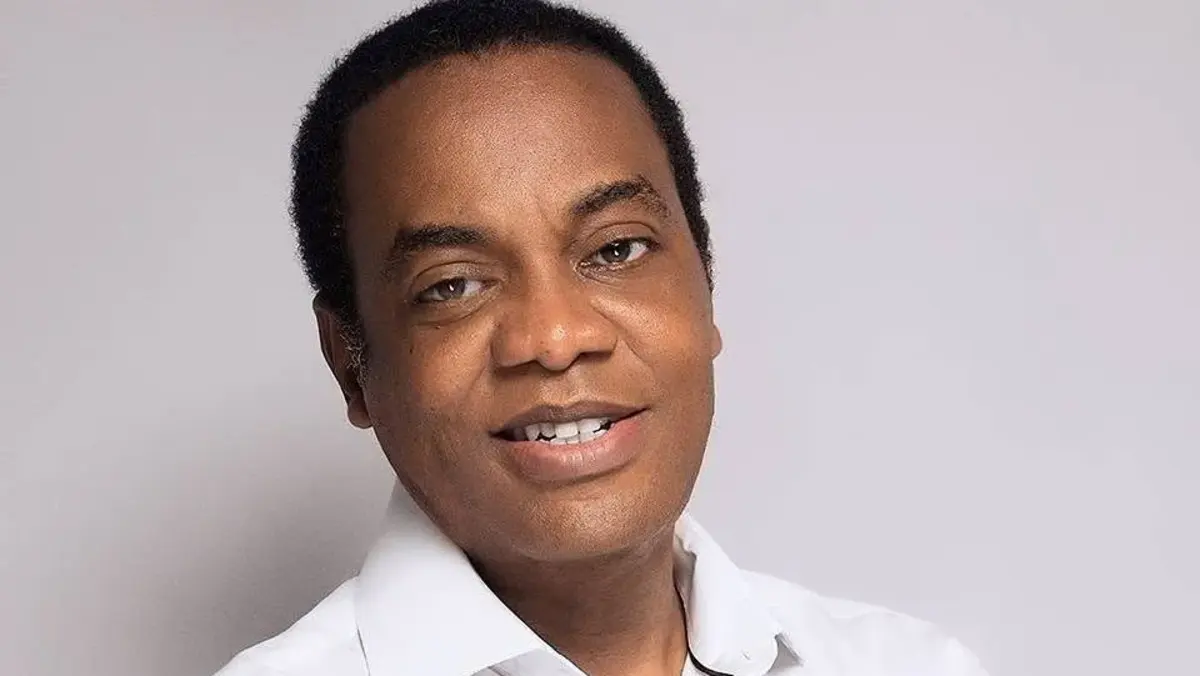
Former Cross River State Governor Donald Duke has voiced strong criticism of the economic policies implemented by President Bola Tinubu, asserting that their continuation will not yield positive outcomes for Nigeria's economy. Duke emphasized the need for a shift in how the nation's economic wellbeing is assessed, suggesting that current measures are inadequate.
In a recent statement, Duke highlighted that the true indicators of economic health should not rely solely on the often manipulated figures of foreign reserves. Instead, he proposed that the focus should be on more tangible metrics such as employment indices and income per capita. This perspective underscores a growing concern among Nigerian economists and citizens alike regarding the effectiveness of the current administration's economic strategies.
Duke's remarks come at a time when many Nigerians are grappling with rising unemployment rates and stagnant wages, which have raised questions about the effectiveness of government policies aimed at economic recovery. He stressed that without addressing these critical areas, the country risks further economic decline.
The former governor's call for a reevaluation of economic indicators reflects a broader sentiment among critics of Tinubu's administration, who argue that the government's focus on foreign reserves does not translate to improved living standards for the average Nigerian. As the nation continues to face economic challenges, the debate over the best metrics for measuring economic success is likely to intensify.
Duke's insights contribute to the ongoing discourse on Nigeria's economic future, urging policymakers to prioritize the wellbeing of citizens over superficial financial statistics. His advocacy for a more people-centered approach to economic policy could resonate with many who are seeking real change in the nation's economic landscape.
Sources
- tribuneonlineng Original article