Nigeria's food inflation rises to 20.31% in July 2026, with Adamawa leading increases
Food inflation in Nigeria reached 20.31% in July 2026, marking a significant rise from June, with Adamawa, Katsina, and Zamfara experiencing the steepest increases.


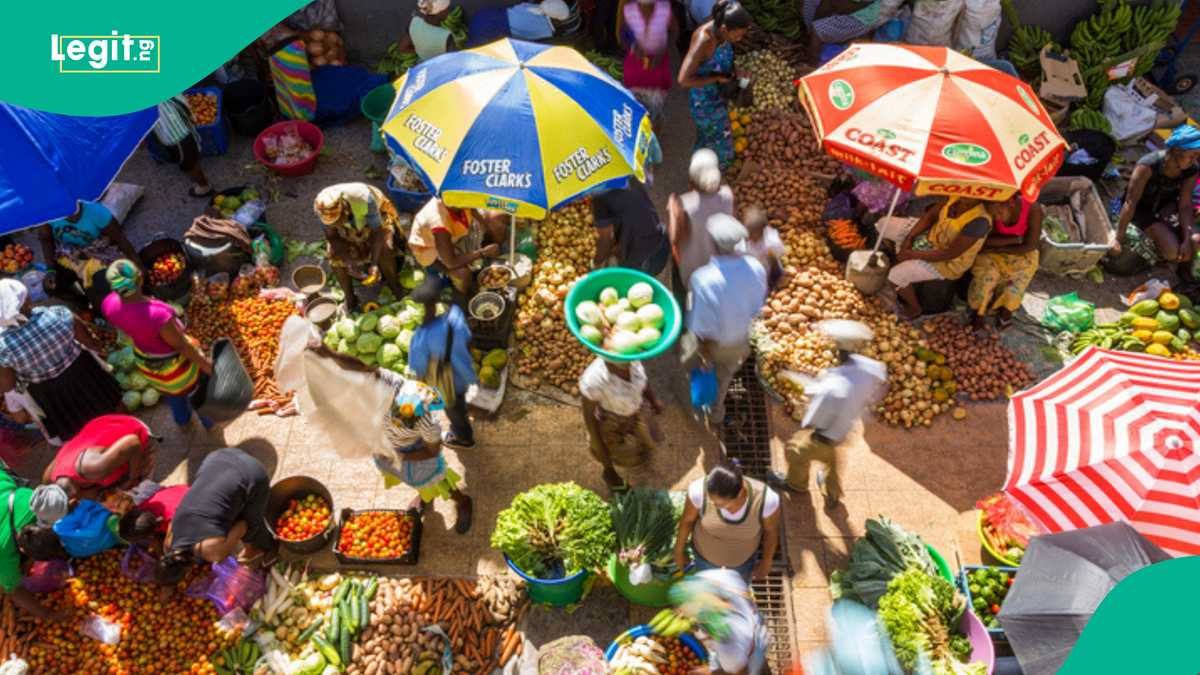
Nigeria's food inflation has surged to 20.31% in July 2026, reflecting a 2.79 percentage point increase from the previous month, according to the latest data from the National Bureau of Statistics (NBS). This marks the sixth consecutive month of rising food prices in the country, with Adamawa, Katsina, and Zamfara states recording the highest annual increases.
The NBS attributed the rise in food inflation to escalating prices for essential food items, including crayfish, fresh pepper, onions, carrots, rice, water yam, tomatoes, garri, plantain, beef, and eggs. This trend highlights the ongoing challenges faced by consumers as the cost of living continues to climb.
In contrast to the sharp rise in food inflation, the overall headline inflation rate for Nigeria showed some signs of easing, dropping to 15.43% in July from 15.91% in June. Additionally, the month-on-month headline inflation fell to 1.57%, down from 1.66%. These figures suggest a slight relief for consumers amid the rising food prices.
Despite the monthly increase in food inflation, the year-on-year data offers a glimmer of hope. BusinessDay reported that the 20.31% recorded in July 2026 is significantly lower than the 26.20% reported in the same month of the previous year, indicating a deceleration in the pace of annual price increases.
Borno state stood out as the only region to record a negative food inflation rate, contrasting sharply with the trends observed in other states. This anomaly highlights the varied economic conditions across Nigeria's regions and the differing impacts of inflation on local populations.
As food prices continue to rise, the government and policymakers are under increasing pressure to address the underlying issues contributing to inflation, particularly in the agricultural sector. The NBS's findings serve as a crucial indicator of the economic landscape in Nigeria, emphasizing the need for strategic interventions to stabilize food prices and support consumers.
Sources
- Legit Original article