31 Nigerian states allocate N252 billion for security in first half of 2026
Kogi, Plateau, and Bauchi lead in security spending amidst rising insecurity.


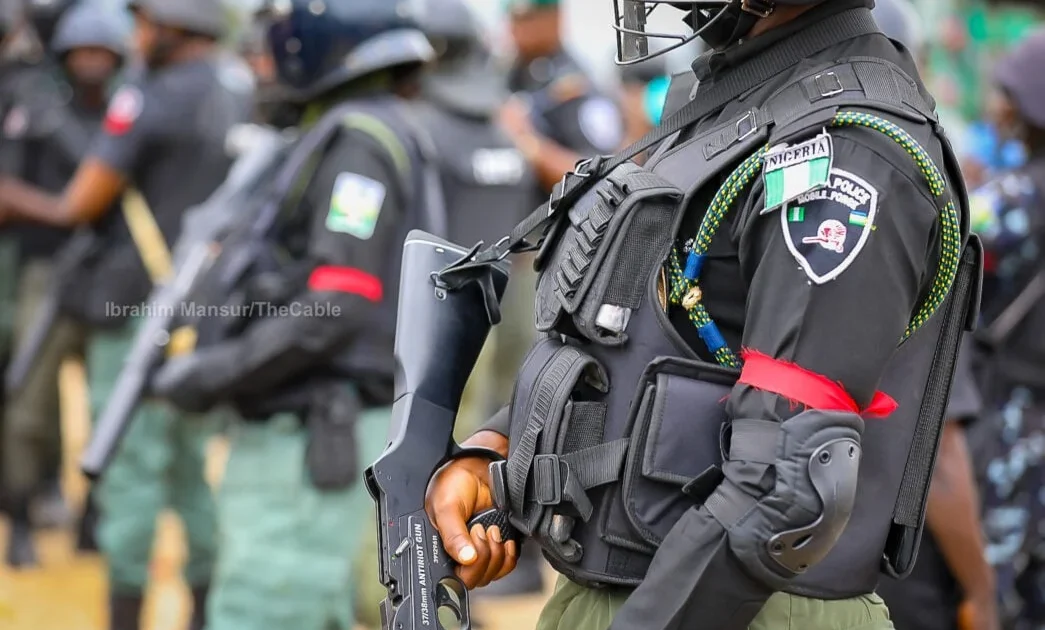
In a significant response to escalating insecurity, 31 state governments in Nigeria have collectively spent N252.26 billion on security measures in the first half of 2026. This expenditure reflects a dramatic increase compared to previous years, highlighting the urgent need to combat rising criminal activities such as kidnappings, banditry, and communal violence across the country.
Kogi State emerged as the highest spender, allocating N34.67 billion, which represents 13.74 percent of the total security expenditure. Plateau and Bauchi followed closely, with N23.69 billion and N22.35 billion respectively, accounting for 9.39 percent and 8.86 percent of the total. Together, these three states accounted for nearly 32 percent of the total security spending, underscoring their ongoing struggles with various security challenges.
The data, sourced from budget performance reports for the first two quarters of 2026, indicates a sharp increase in state-level security spending, which rose by 232.6 percent from N75.84 billion in 2025 to the current figure. This increase is particularly notable as it comes at a time when insecurity remains a pressing issue in many regions, with the National Human Rights Commission reporting 651 kidnapping incidents and 492 killings in just the first three months of the year.
The analysis also reveals that security-related expenditures cover a range of categories, including security equipment, personnel, and operational costs. Notably, spending on security votes surged from N47.67 billion to N135.61 billion, marking an increase of 184.5 percent. This trend suggests that states are actively seeking to bolster their security frameworks in response to persistent threats.
Despite the substantial financial commitments, questions remain about the effectiveness and transparency of these expenditures. Critics have pointed out that the gap between the high levels of spending and the ongoing security challenges raises concerns about the management of resources at both state and federal levels. For instance, while Kogi's spending alone exceeds that of several states facing severe insecurity, the outcomes in terms of improved safety and reduced crime rates have yet to be clearly demonstrated.
In June 2026 alone, reports indicated that 792 people were killed in 882 security incidents across the nation, highlighting the ongoing crisis. Military operations during the first half of the year reportedly resulted in the deaths of 1,597 terrorists and the rescue of 1,516 kidnapped individuals, yet the persistent violence suggests that more effective strategies are needed.
Brig. Gen. Bashir Adewinbi (retd.) acknowledged the efforts of state governments to allocate dedicated funds for security, calling it a commendable initiative. However, he emphasized the importance of monitoring how these funds are utilized to ensure they lead to tangible improvements in security outcomes. Similarly, former Assistant Inspector-General of Police, Wilson Inalegwu, urged for a more structured approach to security funding, advocating for result-based budgeting and annual policing plans that address specific security challenges.
As states continue to grapple with the complexities of insecurity, the effectiveness of these increased allocations will be closely scrutinized. The challenge remains for state governments to translate financial investments into real security improvements for their citizens, as the nation seeks to regain stability in the face of ongoing threats.
Sources
- Punch Newspapers Original article