Nigerian Treasury Bills See Record Demand Amid Rising Interest Rates
Institutional investors flock to Treasury Bills as yields increase, indicating strong market confidence.


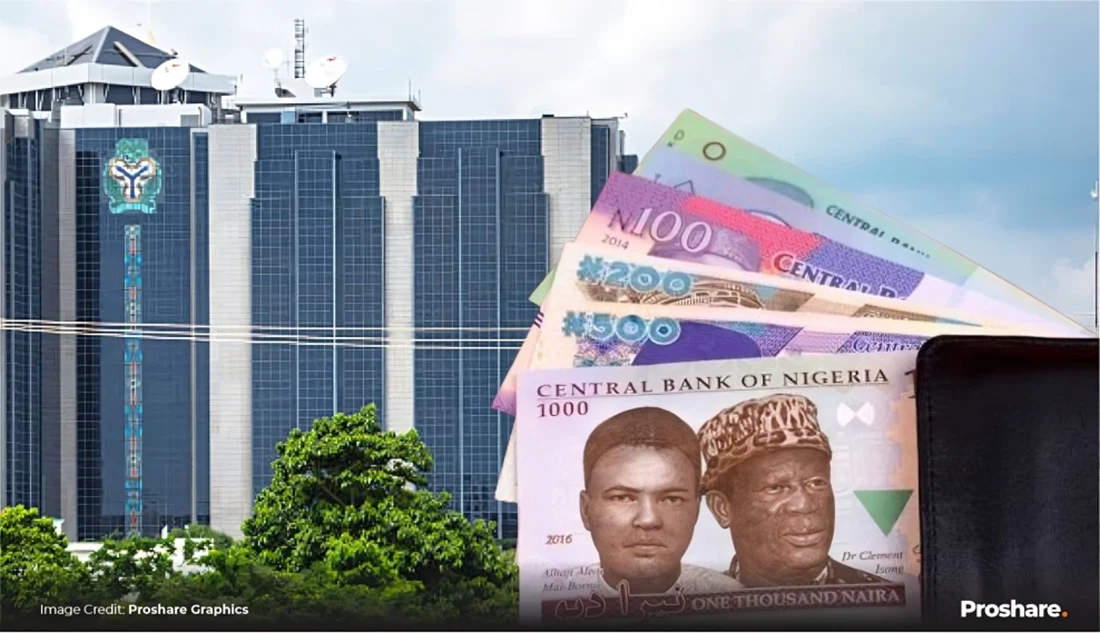
The Nigerian Treasury Bills (NTB) market is experiencing unprecedented demand as institutional investors respond to rising interest rates. The recent auction held on August 12 saw total subscriptions reach an impressive N4.41 trillion, significantly surpassing the N700 billion offered by the Debt Management Office (DMO). This overwhelming interest highlights the market's robust appetite for short-term government securities, particularly the 364-day NTB, which recorded a staggering 8.38 times coverage.
Following the auction, average Treasury bill yields increased by 50 basis points to 18.73 percent. While yields on Federal Government of Nigeria (FGN) bonds remained stable, there was a slight upward trend as market participants positioned themselves ahead of upcoming supply. The Central Bank of Nigeria (CBN) has recently revised its Discount Window framework and restored Tenored Repo Operations, measures expected to enhance liquidity management for banks.
Despite these adjustments, analysts predict that money-market rates will likely stay elevated in the near term due to the CBN's ongoing tight monetary policy. The Treasury Bills market concluded the trading week quietly, with limited activity primarily focused on the longer-end of the NTB curve. Notably, the 12 August bill traded around 17.30 percent.
On the Open Market Operations (OMO) curve, there was selective interest in December maturities, with the 22 December and 29 December bills trading at 19.65 percent and 19.75 percent, respectively. The FGN bond market, however, remained subdued as participants awaited the bond auction scheduled for Monday, where the DMO plans to offer a total of N1.10 trillion. This offer includes N250 billion of the January 2035 bonds, N100 billion of the April 2037 bonds, and N750 billion of the June 2038 bonds.
The surge in demand for OMO bills is also attributed to the CBN's intensified liquidity-management efforts. Nigerian investors, including banks and other eligible institutions, are increasingly viewing these instruments as attractive short-term fixed-income options. This sustained interest reflects a broader search for relatively high-yielding, government-backed securities with defined investment horizons amidst elevated money-market rates.
The repeated oversubscription at OMO auctions and the substantial amounts allotted by the CBN underscore the depth of demand in the market. For investors, the appeal lies in the ability to secure competitive returns while effectively managing short-term liquidity. For the CBN, these instruments serve as an effective means to absorb surplus funds from the financial system, thereby supporting monetary policy transmission and helping to mitigate inflationary pressures.
As the fixed-income landscape continues to be shaped by institutional preferences for high-yielding government securities, market observers anticipate that demand for OMO bills will remain strong as long as yields stay elevated compared to alternative short-term options. The upcoming bond auction will be a critical test for longer-dated demand, with attention focused on whether the mild upward bias in yields will persist or if the current conditions will continue to support institutional buying without significant price pressure.
Sources
- tribuneonlineng Original article