HURIWA demands investigation into alleged vote-buying in Osun governorship election
The Human Rights Writers Association of Nigeria calls for accountability over vote-buying claims in Osun.


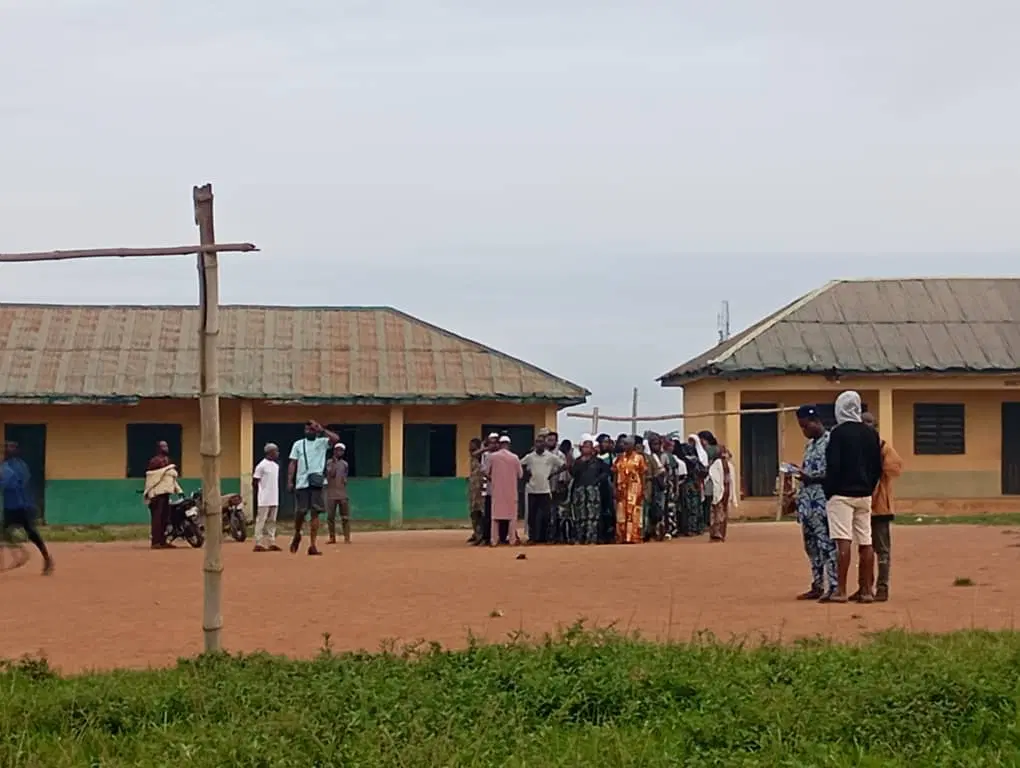
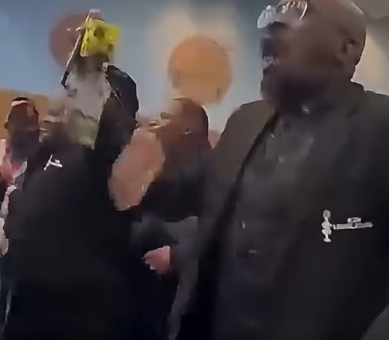
The Human Rights Writers Association of Nigeria (HURIWA) has called for a thorough investigation and prosecution of those allegedly involved in vote-buying during the recent Osun State governorship election. The group raised alarms over what it described as widespread electoral malpractice, warning that such actions threaten the integrity of Nigeria’s democratic process.
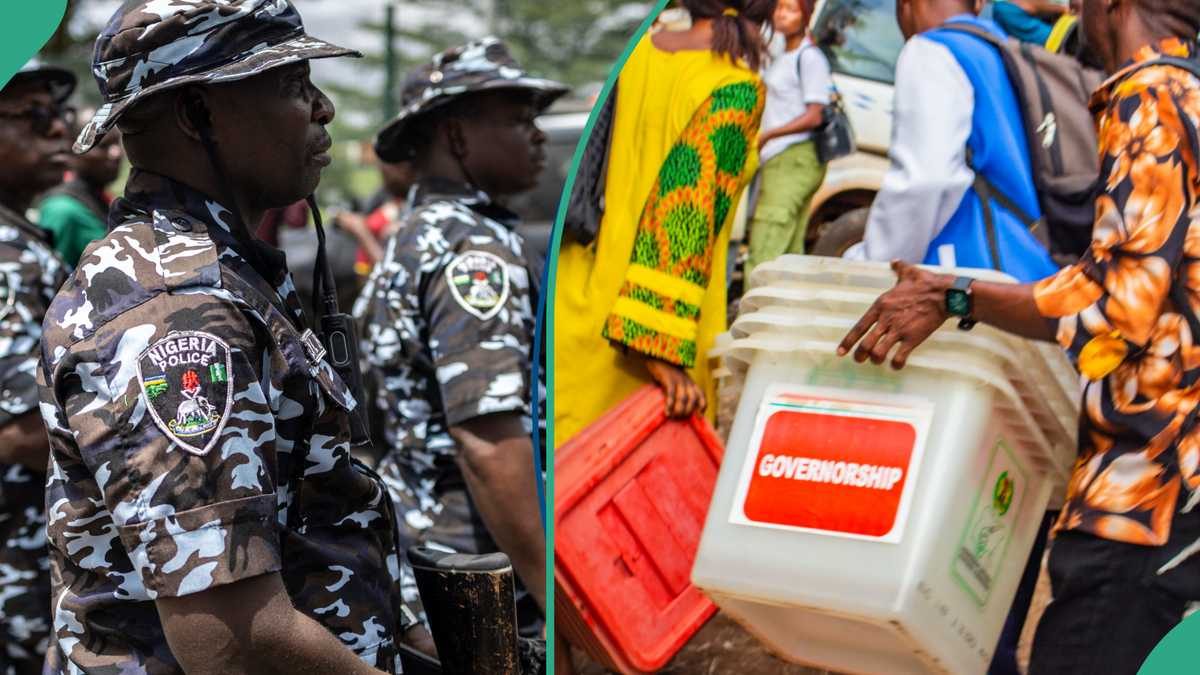
HURIWA's concerns stem from allegations that supporters of the All Progressives Congress (APC) and the Accord Party offered voters between N10,000 and N20,000 to secure their votes. The organization condemned these practices as “despicable and reprehensible,” highlighting the apparent failure of law enforcement agencies to effectively prevent or address the issue of vote-buying.
Comrade Emmanuel Nnadozie Onwubiko, the National Coordinator of HURIWA, emphasized that the organization had previously warned about the evolving nature of vote-buying, which is transitioning from an electoral offense to a sophisticated political enterprise. He stated, “What we have witnessed in Osun has elevated that menace to another level and should serve as a wake-up call to every institution responsible for protecting the sanctity of the ballot.”
The group argues that vote-buying should not be viewed as a mere isolated offense at polling units, but rather as a significant form of electoral corruption that distorts political competition and undermines the freedom of voters. HURIWA characterized this practice as “electoral terrorism against constitutional democracy,” asserting that wealthier politicians could leverage their financial resources to manipulate electoral outcomes.
Onwubiko further warned that politicians who invest heavily in securing electoral mandates may seek to recover their expenditures through access to public resources. He noted, “When a mandate is purchased, governance becomes an investment recovery project.” This raises concerns about the future of governance, as politicians who spend excessively on elections may prioritize recovering their investments over serving the public.
HURIWA also pointed to the role of widespread poverty and economic hardship in making citizens more vulnerable to financial inducements during elections. However, the organization stressed that the primary responsibility lies with political actors and financiers who perpetuate these corrupt practices, rather than with economically desperate voters who accept bribes.
The group has urged the Independent National Electoral Commission (INEC), the Economic and Financial Crimes Commission (EFCC), the Independent Corrupt Practices and Other Related Offences Commission (ICPC), and security agencies to investigate the alleged networks behind vote-buying. HURIWA insisted that accountability should focus on the financiers and organizers of these schemes, rather than solely on the voters who accept bribes.
In light of the recent events, HURIWA called on INEC to enhance its mechanisms for detecting and documenting vote-buying activities before, during, and after elections. The organization stressed the importance of ensuring that electoral officials remain independent and impartial.
The lessons learned from the Osun election are critical as Nigeria prepares for the 2027 general elections. HURIWA warned that failure to address vote-buying could lead to elections being determined by financial power rather than the genuine will of the electorate. “Nigeria cannot continue to hold elections where votes are negotiated, sold, and purchased while pretending that constitutional democracy is functioning normally,” the organization stated.
HURIWA urged political parties, civil society groups, the media, and the general public to reject the normalization of vote-buying and to expose attempts to commercialize the electoral process. The group warned that the upcoming elections must not devolve into an auction where the highest bidder determines the future of millions of Nigerians.
Sources
- Vanguard News Original article