

Nigeria’s electricity subsidy remains a significant fiscal and market-liquidity burden, with the Federal Government covering N358.32 billion of generation costs in the first quarter of 2026, according to data from the Nigerian Electricity Regulatory Commission (NERC). The figure represents 51.95 per cent of the N689.72…
Nigeria’s petrol subsidy could have cost the Federal Government as much as N53 trillion under current market conditions and pushed the naira to about N3,500 to the dollar, chairman of the Nigeria Revenue Service (NRS), Zacch Adedeji, has said. The post Fuel subsidy could have cost Nigeria N53trn, pushed naira to N3,500…
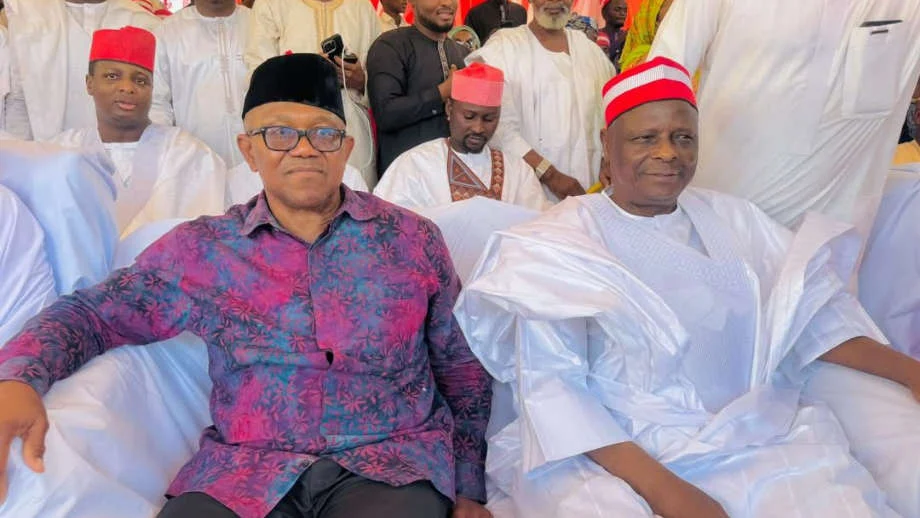
…infrastructure and challenges confronting farmers. He added that the removal of the fuel subsidy had not translated into improved living conditions for Nigerians, while farmers were also struggling because of cheap imported food. The former Kano State governor said the alliance among the Kwankwasiyya Movement, NDC and…

The Medical and Dental Consultants’ Association of Nigeria (MDCAN) has called for stronger ethical standards, improved knowledge of legal responsibilities and effective risk management as rising medical litigation and the migration of skilled healthcare professionals continue to challenge Nigeria’s health sector. The a…
…and economic growth. It identified the challenges as “a fiscally unsustainable fuel subsidy regime, an opaque forex system that discouraged investment, a non-performing oil sector, and a tax base ‘far below its potential’.” The revenue authority said the initial impact of the reforms created significant economic diffic…
…Commission (RMAFC), Mohammed Shehu, disclosed that Nigeria spent ₦1.16 trillion on fuel subsidy in 2021, while another ₦1.20 trillion was deducted from the Federation's crude oil sales proceeds during the same period.Shehu said fuel subsidy payments represented a significant drain on public finances. Other deductions f…
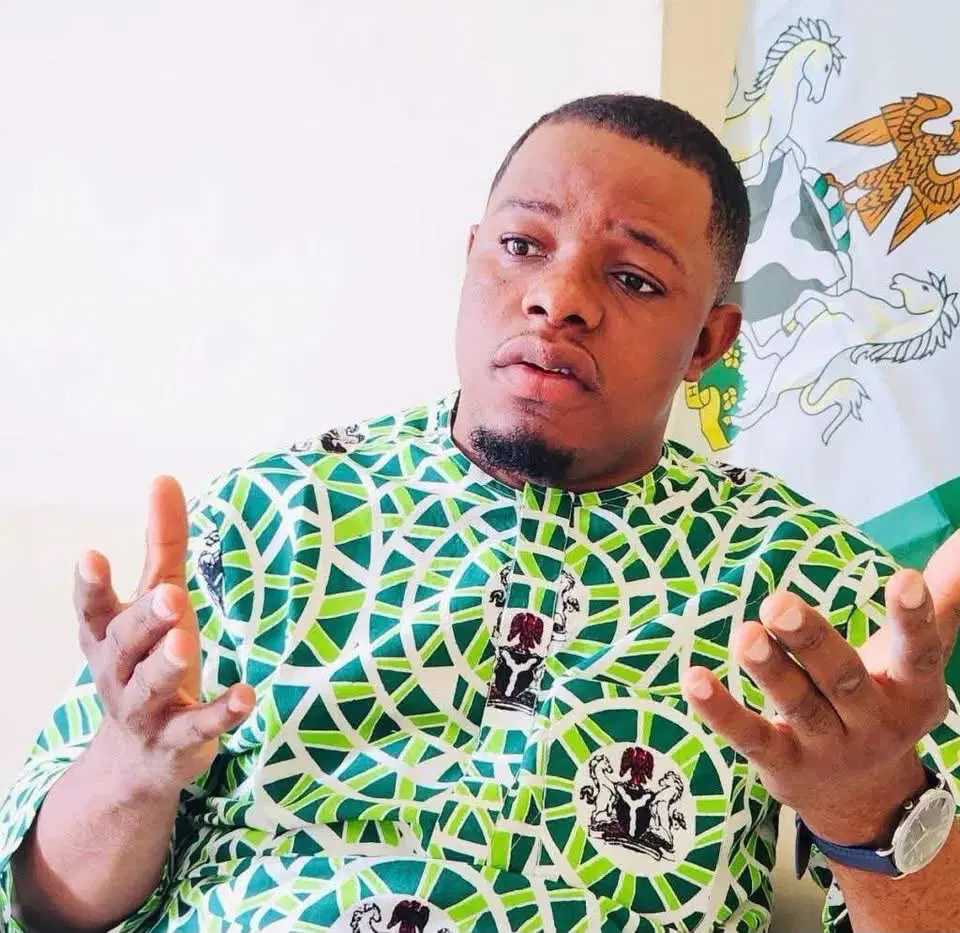
…previous administrations were unwilling to implement. He highlighted the removal of fuel subsidy, the unification of the foreign exchange market, efforts to improve government revenue, increased infrastructure investment, policies aimed at attracting local and foreign investors, the expansion of the student loan progra…
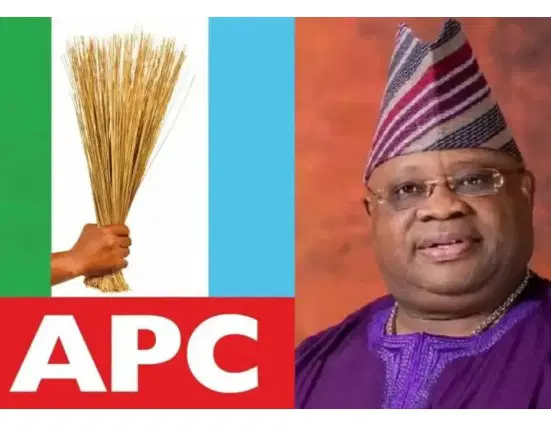
…I will cite two or three examples. In 2023, when President Bola Tinubu removed fuel subsidy, he gave N2 billion to each state of the federation, among other things, to purchase CNG buses and improve on the transportation of the state. “Osun State diverted that N2 billion. Up to this moment, they have not been able to a…
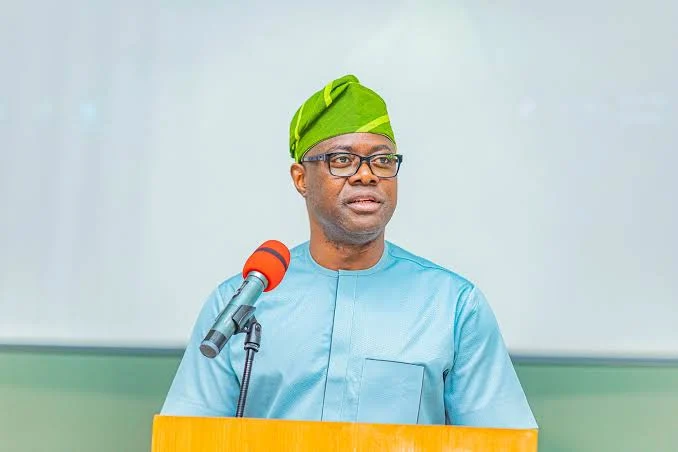
…administration under President Bola Tinubu, describing the simultaneous removal of fuel subsidy and floating of the naira as a double blow to Nigerians’ welfare. Makinde, represented by a national leader of the party, Mr Babatunde Tijani, spoke on Monday in Abeokuta, Ogun State, during the unveiling of the APM deputy g…
…administration under President Bola Tinubu, describing the simultaneous removal of fuel subsidy and floating of the naira as a double blow to the welfare of Nigerians. Makinde, represented by a national leader of the party, Mr Babatunde Tijani, disclosed this on Monday in Abeokuta during the unveiling of the APM deputy…
…fiscal recklessness, excessive borrowing, imposing hardship through the removal of fuel subsidy, and implementing tax policies he described as punitive. Atiku also questioned what he termed an unaccounted oil revenue windfall and warned that the country’s economy was drifting. Responding, Onanuga accused the presidenti…
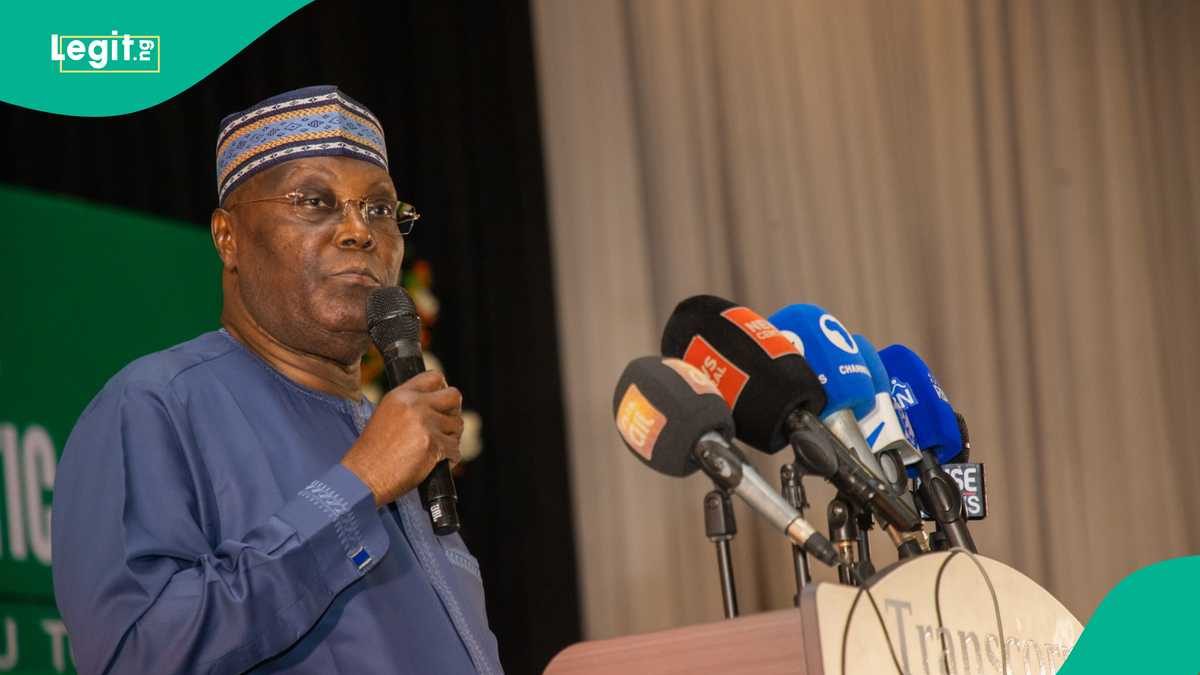
Atiku Abubakar rejected claims by Finance Minister Taiwo Oyedele that fuel subsidy savings are being used to reduce government debt and improve workers' welfareThe former Vice President cited alleged CBN figures showing the federal government's credit exposure rose by ₦17.39 trillion, or 77.6%, in just one yearAtiku al…
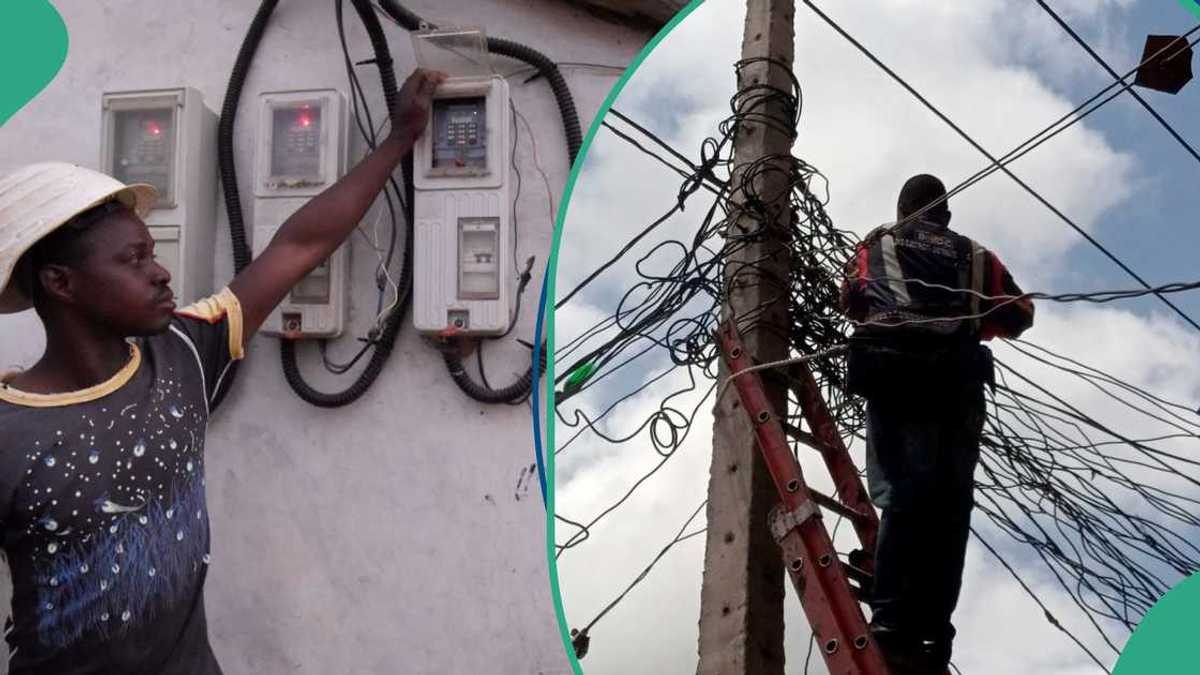
…sector.FG says no immediate plan for electricity tariff hikes, sets 2027 date for power subsidy removal. ImagesSpeaking during a media roundtable on the reset of Nigeria's electricity industry in Lagos on Friday, the Minister of Power, Joseph Tegbe, said the administration has no plans to increase electricity tariffs b…
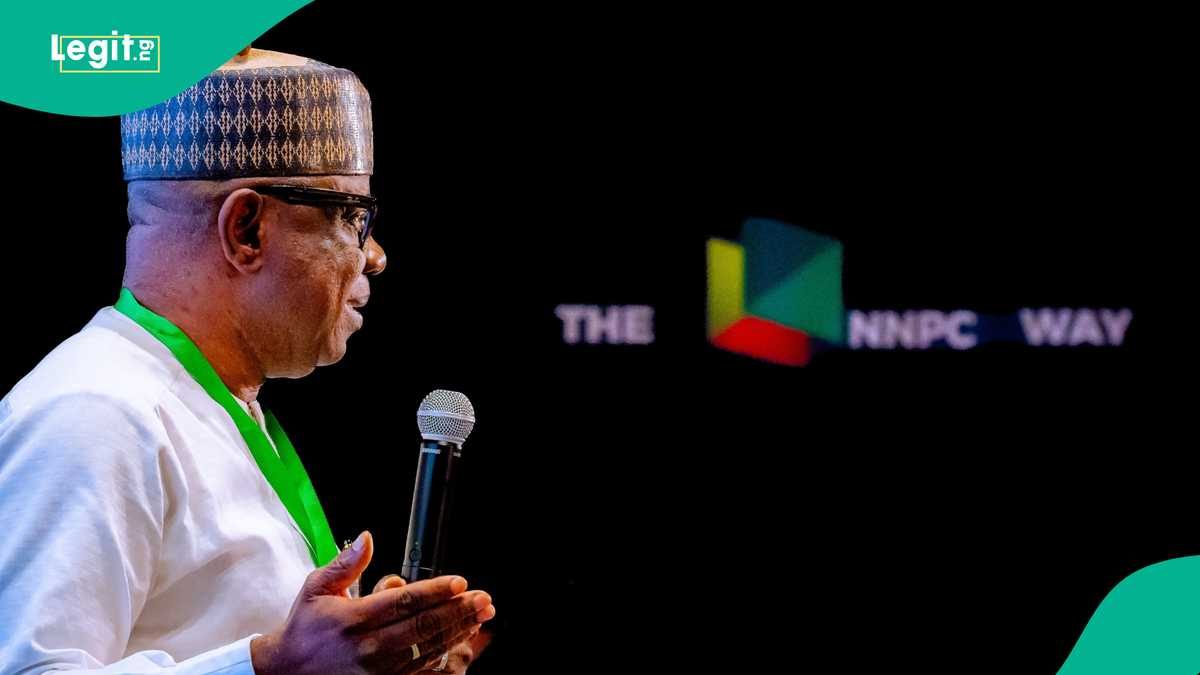
…protection claims in NNPCL's 2024 recordsThe group accused NNPCL of reintroducing subsidy-like obligations through indirect financial mechanisms that remain hidden from public scrutinyPAY ATTENTION: Mark Legit.ng as a preferred source, and our content will appear higher in your Google feed!Abuja, FCT - A coalition of e…
…Minister of the Economy, Mr Taiwo Oyedele, to explain how fuel and foreign exchange subsidy removal savings have been spent by the Federal Government, with a promise to publish details in a few days, Nigerians are calling for transparency. Oyedele, while responding to a question […] The post Reactions, expectations as…
…criticised the implementation of key economic reforms, including the removal of fuel subsidy and exchange rate liberalisation, arguing that they were introduced without adequate measures to cushion their effects on citizens. According to him, rising inflation, high food prices and declining agricultural productivity sh…

FG to phase out power sector subsidy from next year The Minister of Power, Joseph Tegbe, has announced plans by the Federal government to phase out subsidy payments in the power sector from 2027. Tegbe made the announcement during a media parley with newsmen in Abuja on Friday, July 31.According to the Minister, the su…

…of Buji Local Government Area of Jigawa State, Najeebullah Falalu Tukur, has increased subsidy on fertiliser, reducing the price of a 50kg bag from ₦28,800 to ₦18,800 for farmers in the local government. The post Buji LG deepens support for farmers, reduces fertiliser’s price to N18,000 appeared first on Tribune Online…
…a statement issued by Shaibu, Atiku said Nigerians were assured that the removal of fuel subsidy, increased taxation and other economic reforms would reduce borrowing and stabilise the country’s finances, but argued that the opposite had occurred. According to him, the latest borrowing figures demonstrated that the gov…

…political experiment.” According to him, key reforms, including the removal of fuel subsidy, exchange rate adjustments and fiscal restructuring, were introduced to reposition the economy for sustainable long-term growth. He argued that the policies, though difficult, had started yielding results and should be strengthe…

…was laying the foundation for long-term, inclusive growth through reforms such as fuel subsidy removal, exchange rate unification and changes in the oil and gas sector. While acknowledging that the reforms have imposed short-term hardships, he argued that they are necessary to address long-standing structural challenge…

…local government received over a billion naira per month, from statutory allocation, subsidy funds, excess crude and IGR, yet our local government areas remain underdeveloped. The big question is, what are they doing with the funds. “In the current dispensation, local governments could propose a yearly budget of over 1…
…embraced cost-reflective tariffs, stressing that the government could no longer sustain subsidy payments. “The problem in Nigeria is that Nigerians also need to decide how we see power. Do we see power as a social responsibility of the government or do we see power as a commercial commodity that needs to be paid for? I…

…N210 trillion. There were also questions around N3.8 trillion in alleged duplicated subsidy deductions, N5 trillion booked as direct production costs and N5.9 billion in incorporation costs during the transition from NNPC to NNPCL. All deserved scrutiny. Dankwambo ensured they got it. From day one, he made it clear thi…
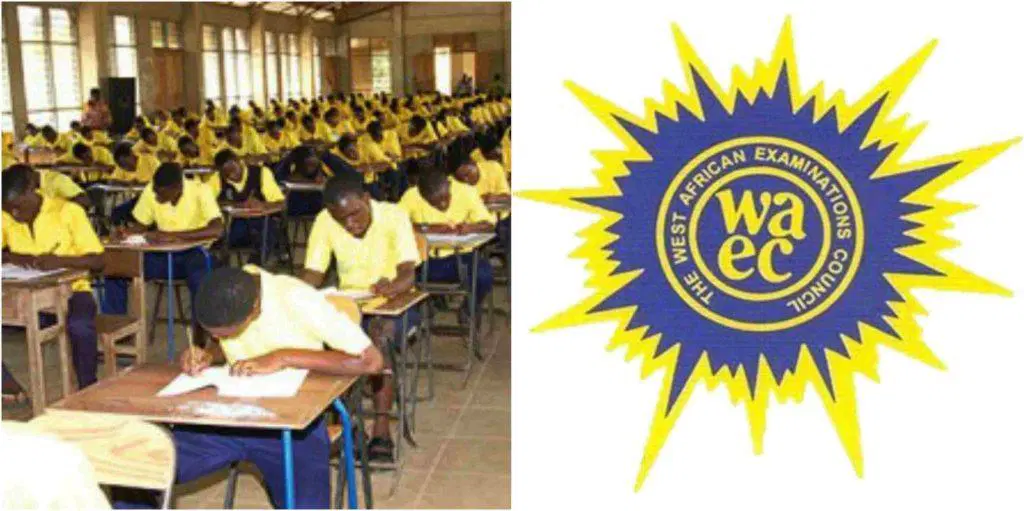
…The government has repeatedly demonstrated this tendency in previous policies like subsidy removal, clemency for Maryam Sanda, the Niger Republic sanctions, student loans, and so on. The moral burden of the policy is even more important, and it is not diminished by the reversal. Last year, some 1,973,253 candidates reg…