

…power, improved security and reduced poverty. “For businesses, it must mean lower production costs, reliable infrastructure, including power, higher productivity and affordable financing.” Yusuf also outlined the focus of the 2026 NESG under the theme, “Growth that Works: Delivering Jobs, Productivity and Shared Prospe…

…the Federal Government to subsidise agricultural inputs and support farmers to reduce production costs and strengthen Nigeria’s food security.Ilyasu said high costs of fertiliser, improved seeds and other inputs made local rice production expensive, putting domestic farmers at a disadvantage against foreign producers w…

…only by its fiscal benefits. Higher petrol prices affect transport, food distribution, production costs and household welfare. Savings matter only when converted into productive investment, infrastructure, efficient public transport and targeted support for vulnerable households. “Nigeria should, therefore, assess both…

…arguing that manufacturers could provide practical insights into the factors driving production costs.He also called for stronger collaboration between government agencies responsible for natural-product research and pharmaceutical manufacturers to develop promising research findings into medicines for local use.The PS…

…increases due to scarcity and high demandRice farmers say government support and lower production costs could help stabilise prices and make rice more affordable for NigeriansPAY ATTENTION: Mark Legit.ng as a preferred source, and our content will appear higher in your Google feed!Legit.ng journalist Victor Enengedi ha…
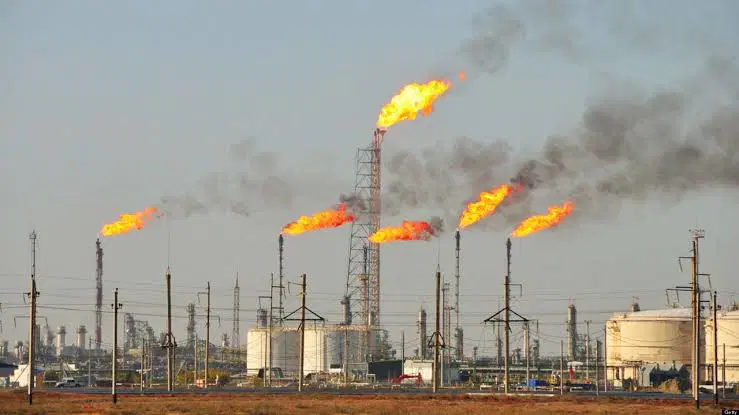
…to rely more on diesel and other alternative energy sources, increasing operating and production costs,” he said. Obasi said the resulting increase in energy and production costs ultimately fed into the prices of goods and services, while inadequate gas supply could force fertiliser, petrochemical and other manufacturi…

…crude oil to supply the Dangote Refinery and other local refiners, explaining that production costs, royalties and contractual obligations significantly reduced the volume available to the Federal Government. The minister spoke on Friday during an interview on Channels Television’s Politics Today, amid renewed calls fo…

…on Google Adeloju said the urgency of the discussions was underscored by Nigeria’s high production costs, infrastructure gaps, low productivity and insecurity, noting that more than 90 per cent of employment remained informal. He said, “The task is not to grow faster, but to grow differently, raising productivity and c…

…argued that petroleum products for local consumption should be priced based on production costs, not international market ratesThe former Cross River governor outlined a crude oil allocation strategy he said would make his proposed pricing model possiblePAY ATTENTION: Mark Legit.ng as a preferred source, and our conten…

…warned that the cumulative impact was contributing to declining food production, higher production costs and rising food prices. Experts seek shift to climate-smart agriculture Bernard called for urgent adaptation measures, including the adoption of early-maturing and drought-resistant crop varieties, improved irrigati…

…that an administration led by Atiku would seek to reduce the cost of petrol by lowering production costs. “We will reduce the cost of producing fuel. We will bring down the production cost, and this will make the price of petrol come down,” Amaechi said. Atiku later stepped out of the vehicle and waved to the crowd as…

…initiative is a big gamble, no doubt. If it succeeds, it could revive manufacturing, cut production costs for businesses and finally prove that Nigerian power infrastructure can deliver round-the-clock reliability somewhere other than on paper. We have already seen success stories in projects like the Agbara Independen…
…According to the coalition, “any substantial increase in electricity tariffs could raise production costs, reduce disposable income and place additional pressure on small and medium-sized businesses.” The group therefore urged the Federal Government to address structural challenges in the electricity sector, including…
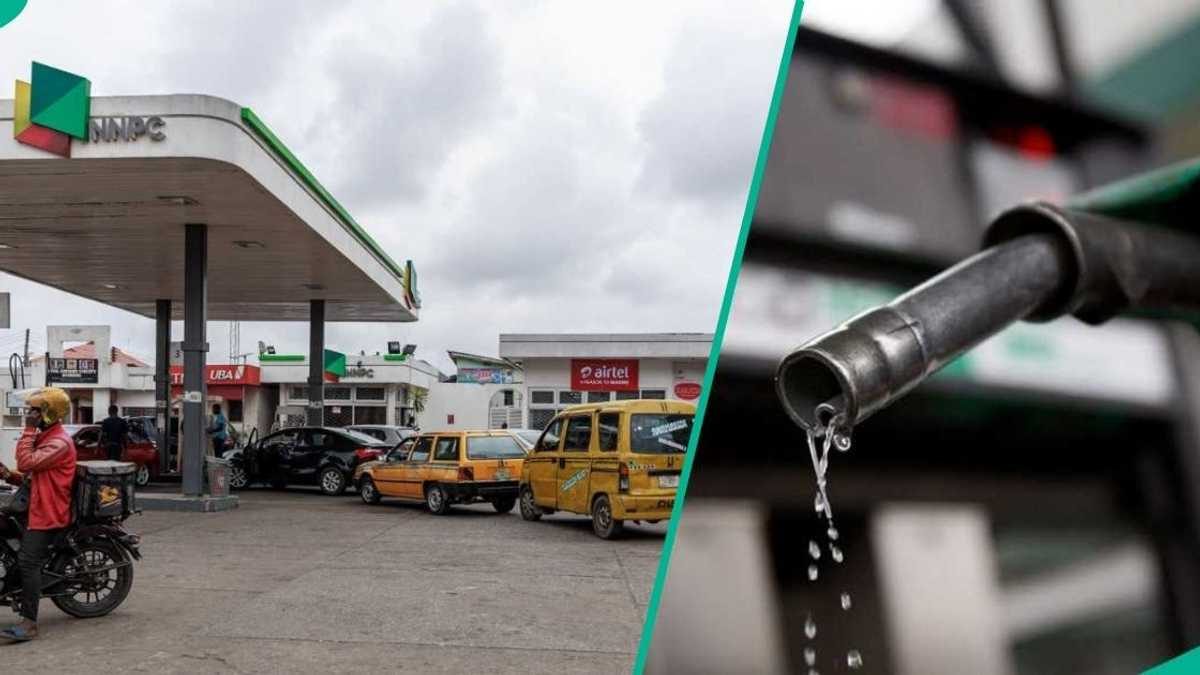
…petrol price increases could intensify inflation by pushing up transportation and production costs, which would eventually filter through to the prices of food and other daily essentials.Former Secretary-General of the Organisation of African Trade Union Unity, Owei Lakemfa, urged the government to shield Nigerians fro…

…said the increase in petrol prices would likely translate into higher transportation and production costs, particularly for food and other essential commodities. “I think there should be a way of absorbing these costs. If you do not absorb them, they will show up in our next inflation figures and economic analysis. “Th…

…within related value chains would operate alongside one another, potentially reducing production costs and increasing local sourcing. Agriculture and agro-processing are among the sectors being prioritised, with the government identifying food processing, rice-related businesses, agricultural inputs, packaging, machine…

…its strong operating efficiency and ability to protect margins despite rising production costs.3. Nestlé Nigeria Plc — N651 billionNestlé Nigeria generated N651 billion in revenue during the first half of 2026, placing it third among the leading consumer goods companies.The company recorded a profit after tax of N64.77…

…the FCCPC said it was testing those explanations against verified information on production costs, pricing, capacity utilisation and other market conditions. “Of particular concern to the Commission is that this level of production capacity has not resulted in the downward pressure on domestic prices that might ordinar…

…has been supported by expectations of improved operating conditions, although high production costs, inflation and weak consumer purchasing power remain major concerns for the sector. Top capitalised industrial goods coys Dangote Cement topped the industrial goods category with N17.15 trillion market capitalisation, fo…
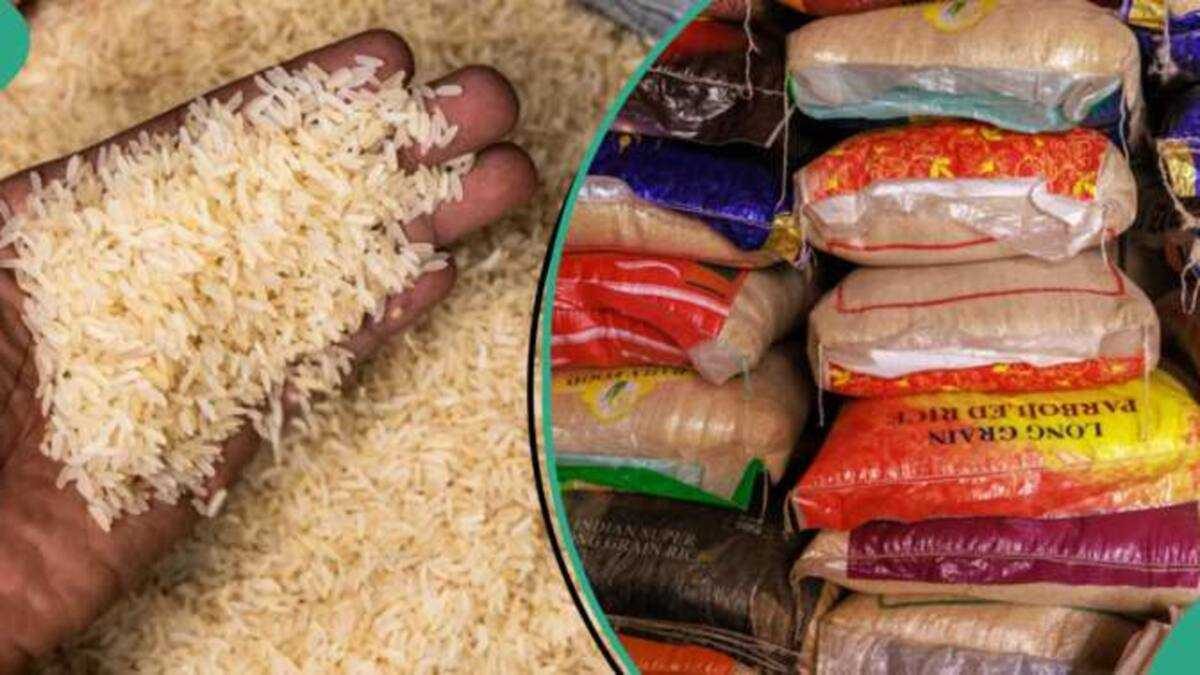
…rice influx raises concerns over Nigeria's domestic rice industry's survivalRising production costs push local millers to shut down amid competition from cheaper importsPAY ATTENTION: Mark Legit.ng as a preferred source, and our content will appear higher in your Google feed!Pascal Oparada is a journalist with Legit.ng…

…to about $3.50 per thousand standard cubic feet, arguing that cheaper gas would lower production costs, improve competitiveness and stimulate investment. “Manufacturers that have invested millions of dollars in gas-powered electricity generation should not be paying as much as $8.70 per thousand standard cubic feet of…

…energy to one million Micro, Small and Medium Enterprises in a move aimed at lowering production costs, creating jobs and accelerating industrial growth. The initiative was unveiled by the National Board for Technology Incubation during the National Showcase of the NextGen Innovation Challenge 2026 held at the NICON Lu…

…clean energy to one million micro, small and medium enterprises, create jobs, lower production costs and accelerate Nigeria’s transition to sustainable energy.
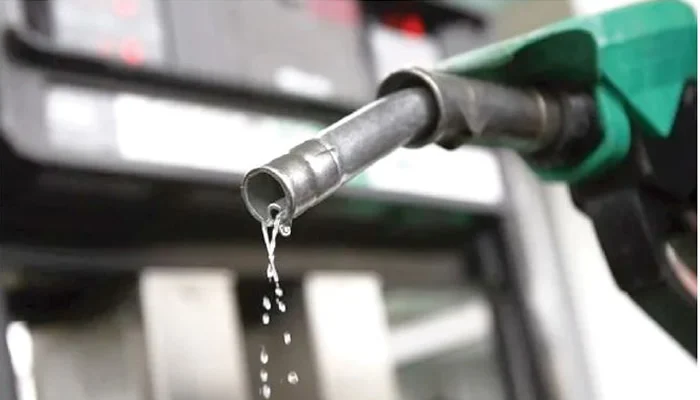
…of 2026 as higher energy costs squeezed household incomes and raised transportation and production costs. An analysis of the H1 2026 Downstream Industry Analysis Report by the Major Energy Marketers Association of Nigeria, obtained by The PUNCH, showed a clear relationship between rising fuel prices and weakening deman…

…importing fuel, machinery, pharmaceuticals and industrial equipment, helping to reduce production costs and ease inflationary pressures.For consumers, particularly low-income households, this translates into more stable prices for essential goods and services.Currency stability also plays a major role in attracting for…