Nigeria's Gas Exports Surpass Domestic Sales Amid Ongoing Supply Challenges
Despite vast gas reserves, Nigeria struggles to meet domestic demand, relying on imports.


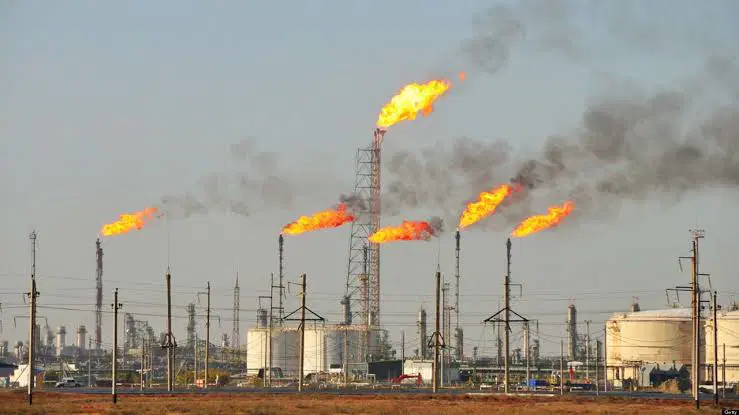
Nigeria's natural gas sector faces significant challenges as recent data reveals that the country exported more gas than it sold domestically over the past few years. From 2022 to 2025, Nigeria exported approximately 3.83 trillion cubic feet (Tcf) of gas, while only 2.69 Tcf was sold to the domestic market. This trend has continued into 2026, with exports reaching 733.8 billion cubic feet (Bcf) compared to 516.8 Bcf for local consumption in just the first eight months.
The cumulative figures indicate that between 2022 and August 2026, Nigeria exported around 4.56 Tcf of gas, while domestic sales totaled about 3.21 Tcf, highlighting a 42 percent disparity in favor of exports. This situation raises alarm over the country's ability to leverage its substantial natural gas reserves for domestic energy needs, particularly as shortages are impacting electricity generation, manufacturing, and household energy supply.
Despite boasting over 200 trillion cubic feet of proven natural gas reserves, Nigeria's domestic market remains underdeveloped. Industry stakeholders attribute this paradox to inadequate infrastructure, poor policy execution, and insufficient investment across the gas value chain. The National President of the Oil and Gas Services Providers Association of Nigeria, Maxi Colman Obasi, emphasized that the lack of reliable gas supply is hindering power generation and increasing operational costs for businesses.
"Gas shortages reduce the availability of gas-fired power plants, contributing to lower electricity generation and unreliable supply," Obasi stated. He noted that manufacturers are increasingly turning to diesel and other costly alternatives, which further drives up production costs and ultimately affects consumer prices.
The challenges are also evident in the Liquefied Petroleum Gas (LPG) market, where Nigeria has become reliant on imports despite its natural gas potential. The Nigerian Midstream and Downstream Petroleum Regulatory Authority reported that Nigeria imported about 1.94 million metric tonnes (MT) of LPG over three years, with imports accounting for nearly 47 percent of national consumption in 2023.
Experts argue that the core issue lies in the disconnect between the country’s gas reserves and the actual delivery to domestic consumers. An anonymous industry expert pointed out that the gap between gas production and domestic supply must be addressed to avoid continued reliance on imports.
Bassey Essien, Executive Secretary of the Nigerian Association of Liquefied Petroleum Gas Marketers, highlighted that the solution does not lie in halting exports but rather in creating a competitive domestic market that can attract sufficient supply. He stressed the importance of improving infrastructure and market structures to facilitate better gas delivery to domestic consumers.
The proposed Gas Swap Framework aims to connect gas producers with operators who have infrastructure but lack supply, potentially enhancing the movement of gas to local markets. However, experts warn that achieving reliable domestic gas supply requires a comprehensive strategy that includes investment in processing, transportation, and storage facilities.
Prof. Ken Ife from the ECOWAS Commission identified payment challenges, pipeline vandalism, and infrastructure deficiencies as major barriers to domestic gas supply. He urged the Federal Government to enhance domestic borrowing to address outstanding obligations and improve liquidity in the gas supply chain.
As Nigeria grapples with these issues, the need for a robust domestic gas strategy is more pressing than ever. Ensuring adequate gas supply for power generation, manufacturing, and household use is crucial for the country's economic growth and stability, while also maintaining competitive export levels. The ongoing struggle to convert vast reserves into reliable domestic energy remains a critical challenge for Nigeria’s future.
Sources
- Vanguard News Original article