IMF advises Nigeria against reinstating petrol subsidy, urges targeted support
The IMF cautions Nigeria on fuel subsidy reinstatement, advocating targeted aid for vulnerable households.


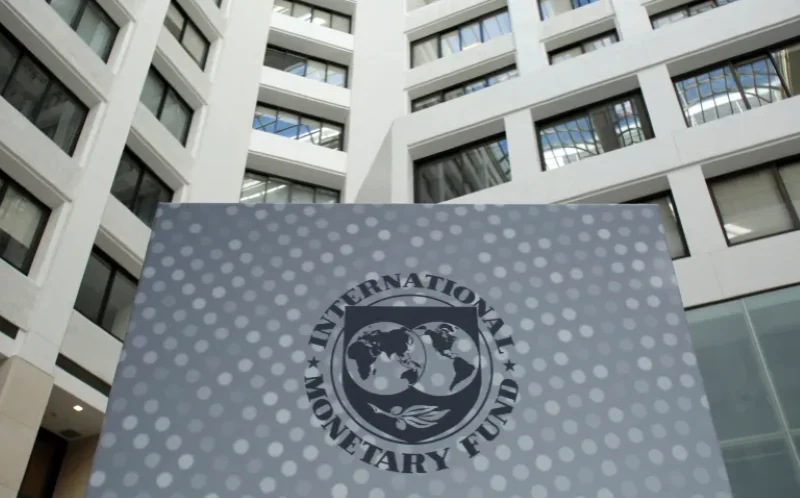
The International Monetary Fund (IMF) has issued a stern warning to the Nigerian government against the reinstatement of broad petrol subsidies. Instead, the IMF advocates for targeted support aimed at vulnerable households to alleviate the financial burden caused by rising energy costs.
In a report highlighted by TheCable, the IMF emphasized that blanket petrol subsidies are not only costly but also disproportionately benefit higher-income consumers. This practice could exacerbate fiscal pressures, especially in a climate of increasing borrowing costs. The organization acknowledged that while Nigeria's economy has made notable strides, the advantages of this growth have not been evenly distributed, leaving a significant portion of the population in economic distress.
The IMF's statement reflects a growing concern over the sustainability of Nigeria's fiscal policies. It stressed the necessity for policymakers to strike a balance between addressing the immediate needs of households and ensuring medium-term fiscal stability. The IMF remarked, "What we are advocating is for policymakers to balance the near-term needs of the population, and that involves food security. That involves energy security."
This guidance comes at a critical time as Nigeria grapples with the implications of rising energy prices and the need for effective economic management. The IMF's recommendations suggest a shift towards more focused financial assistance, which could help mitigate the adverse effects of inflation on low-income families while maintaining the integrity of the national budget.
As discussions continue regarding the future of fuel subsidies in Nigeria, the IMF's insights may play a pivotal role in shaping government policies aimed at fostering economic stability and supporting the most vulnerable segments of society. The call for targeted support rather than broad subsidies aligns with global trends towards more sustainable economic practices that prioritize equitable growth and fiscal responsibility.
Sources
- DailyPost Original article