SERAP's N100m defamation appeal awaits judgment from Abuja Court of Appeal
The Court of Appeal has reserved its decision in a defamation case involving SERAP.


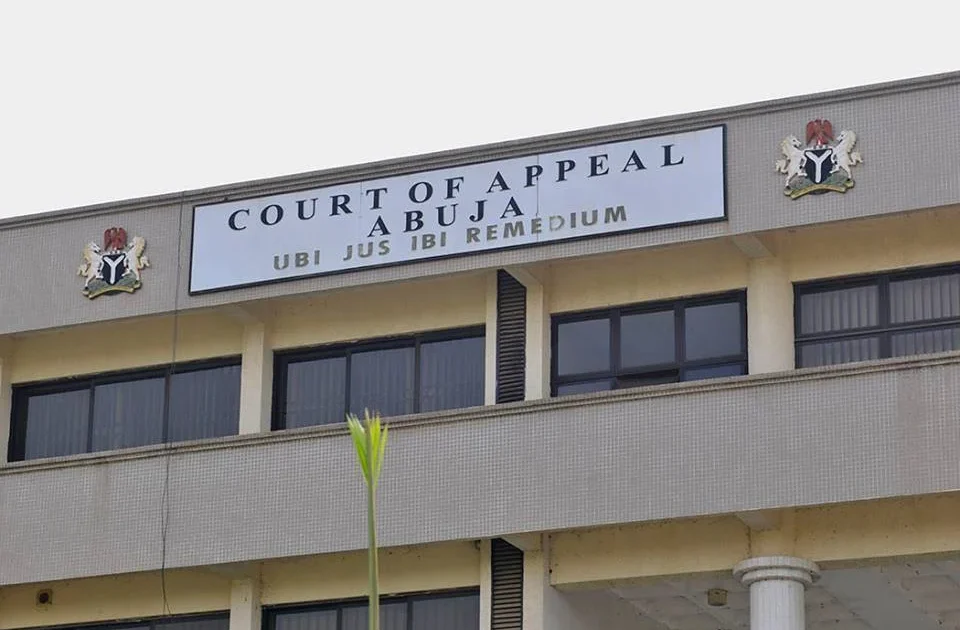
The Court of Appeal in Abuja has reserved its judgment regarding an appeal filed by the Socio-Economic Rights and Accountability Project (SERAP) against a N100 million defamation ruling. This decision stems from a judgment delivered by the Federal Capital Territory High Court on May 5, 2026, which awarded damages to Sarah John over a publication that allegedly misidentified her as Sarah David.
During the proceedings, a three-member panel led by Justice Danlami Senchi heard arguments from both sides. SERAP's counsel, Tayo Oyetibo, SAN, argued that the trial court lacked the jurisdiction to issue the defamation ruling in favor of John. He contended that the description provided in the publication, which referred to a “tall, large, dark-skinned” woman, was insufficient for identification without a photograph.
Oyetibo urged the appellate court to overturn the lower court's decision, emphasizing that the trial court did not adequately verify the identity of the individual in question. He maintained that the judgment was based on a flawed understanding of the facts surrounding the case.
On the other hand, counsel for the respondents, O.S. Kehinde, defended the original ruling. Kehinde argued that SERAP failed to demonstrate that Sarah John and Sarah David were distinct individuals. He noted that even without a name, an individual could recognize themselves from a description provided in a publication.
In a related development, the court dismissed applications from Columbia University, the United Nations Special Rapporteur on the rights to freedom of assembly, and the Southern Africa Litigation Centre, who sought to participate in the appeal as amici curiae. The applicants withdrew their requests after the court indicated that their involvement was unnecessary.
Justice Senchi stated that the date for the court's judgment would be communicated to the involved parties in due course. This case highlights ongoing discussions around defamation laws and the implications of public statements on individual reputations in Nigeria.
Sources
- Punch Newspapers Original article