EU imposes 1,600 sanctions in response to US-Russia oil agreement
The European Union has announced significant new sanctions against Russia, reacting to a recent oil deal between the US and Russia.


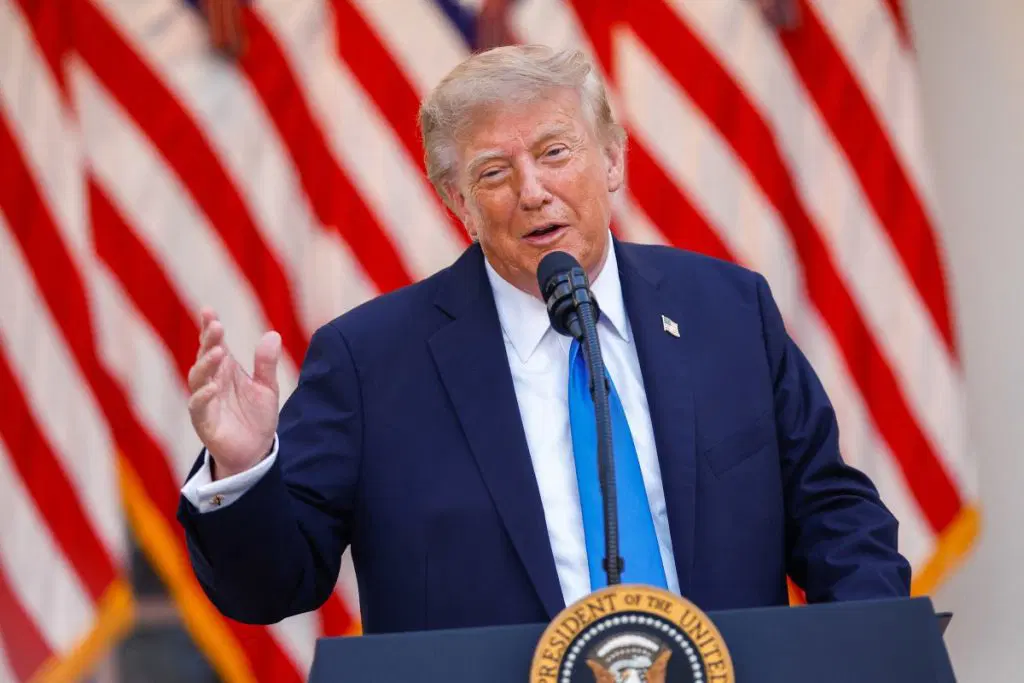
In a decisive move against Russia, the European Union (EU) has unveiled nearly 1,600 new sanctions targeting the country’s military-industrial complex. This announcement follows a recent agreement between the United States and Russia, where President Donald Trump confirmed that Russia would supply millions of tons of diesel fuel to both U.S. and global markets.
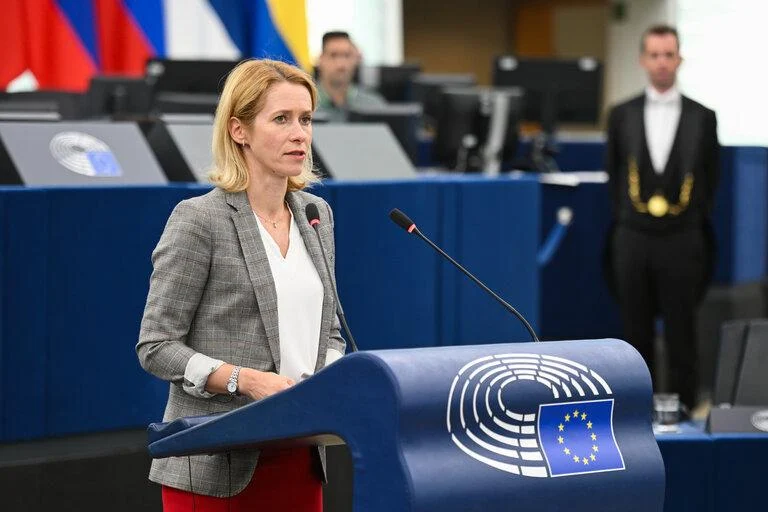
During a press briefing in Luxembourg, EU High Representative Kaja Kallas expressed the bloc's strong opposition to the lifting of U.S. sanctions on Russian oil. She emphasized that the EU's latest sanctions represent the most extensive expansion of their sanctions list since the onset of Russia's war in Ukraine. "This is the single largest expansion of our sanctions list since Russia's war started... making it harder, slower, and more expensive for Russia to produce weapons it uses to kill Ukrainians," Kallas stated.
The newly imposed sanctions specifically target more than half of the production chain for ballistic missiles, as well as entities involved in cooperation with North Korea and those participating in the so-called "sham vote" in occupied Ukrainian territories. Kallas reiterated the EU's stance that sustained pressure is essential in dealing with Russia, stating, "Only pressure works with Russia," and highlighted the effectiveness of coordinated sanctions in amplifying their impact.
In addition to the sanctions, the EU is expanding its counter-disinformation efforts, now reaching 65 countries. This initiative has already seen the removal of numerous websites and hundreds of advertisements linked to Russian mercenary recruitment networks operating in Africa. Furthermore, the EU is planning to introduce 100 new sanctions targeting Russia's critical infrastructure, known as FIMI, while also seeking closer collaboration on security and defense with allied nations.
The EU's robust response underscores its commitment to countering Russian aggression and supporting Ukraine amidst ongoing conflict. As the geopolitical landscape continues to evolve, the bloc's actions reflect a unified stance against actions perceived as threatening to regional stability and international norms.
Sources
- DailyPost Original article