US Vice President JD Vance opposes livestream of Nidal Hasan's execution
Vice President JD Vance has stated he will not watch the livestream of Nidal Hasan's execution, questioning its feasibility.


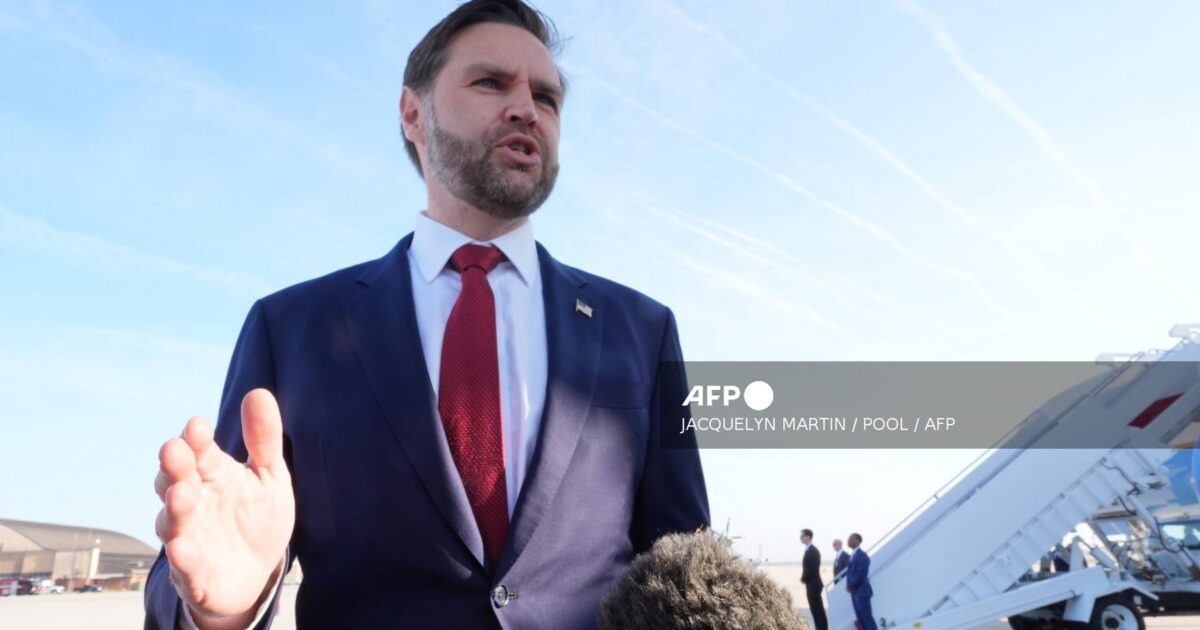
US Vice President JD Vance has publicly declared his intention not to watch the proposed livestream of the execution of Nidal Hasan, the former Army psychiatrist responsible for the 2009 Fort Hood shooting that resulted in the deaths of 13 individuals. This statement was made during a campaign event in Ohio, where Vance expressed skepticism about whether the livestream would actually take place.
Vance's comments come in response to an announcement by US Defence Secretary Pete Hegseth, who outlined plans for the execution to be broadcasted live. "I don’t know that that’s actually going to happen," Vance remarked, adding, "If it’s ultimately livestreamed, I’m not going to be watching it."
The execution of Hasan is scheduled for December 3, 2026, at the same Texas military base where the tragic shooting occurred. President Donald Trump confirmed during a White House event that Hasan would face execution by firing squad, marking a significant moment in US military history, as it would be the first execution by firing squad since 1945.
The proposal to livestream the execution has sparked controversy, drawing criticism from various Republican lawmakers and conservative commentators. Senator Thom Tillis of North Carolina expressed his disapproval on social media, labeling the idea as "beyond disgusting" and comparing it to practices in oppressive regimes. He stated, "Public executions are what oppressive dictatorships like Iran and Afghanistan do. It should not be happening in America."
Hasan was convicted for his actions during a shooting spree at the Fort Hood military base, where he opened fire in a medical facility. The execution, if carried out as planned, would not only serve as a significant legal event but also as a focal point for discussions on the ethics of public executions in the United States.
As the date approaches, the debate surrounding the method and the potential livestream continues, reflecting broader societal concerns about justice, punishment, and the public's role in witnessing such events.
Sources
- Punch Newspapers Original article