Milsat launches Nigeria's National Digital Postcode system for better address identification
The new digital postcode system aims to simplify address identification across Nigeria.



A significant leap in Nigeria's address identification system has been made with the launch of the National Digital Postcode system, developed by the local geospatial technology firm, Milsat. This innovative technology assigns unique 11-character codes to addressable buildings, enhancing the accuracy of location data across the country.
The initiative, which was officially launched on October 1, 2026, aims to address the longstanding challenges Nigerians face in locating homes and businesses. Many residents often rely on vague descriptions involving nearby landmarks, which can lead to confusion and delays. With the new postcode system, users can expect a more straightforward method of sharing and identifying locations.
Milsat, founded by Taslim Saluadeen and Adedamola Baderinwa, has been instrumental in the development and implementation of this technology. The company’s journey began with a successful pilot project in 2023, which laid the groundwork for the nationwide rollout. Prior to this, Milsat collaborated with the National Population Commission to map over 65 million properties, providing essential data for Nigeria's first digital census.
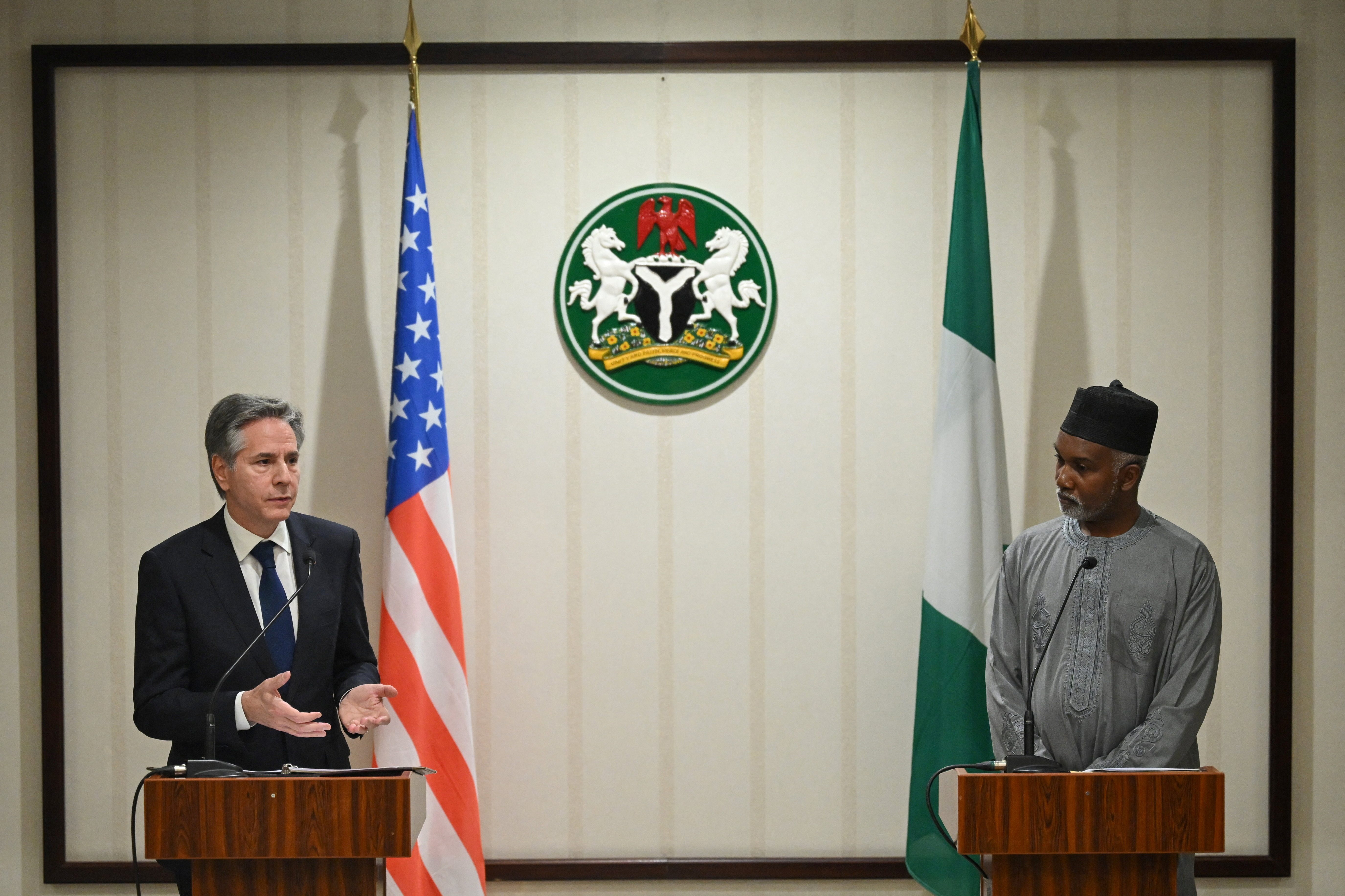
Communications, Innovation and Digital Economy Minister Bosun Tijani praised Milsat's contributions, stating that it demonstrates the capability of Nigerian firms to create infrastructure that meets domestic needs and can be exported internationally. He acknowledged the support of the Nigerian Postal Service (NIPOST), Meeds Network Limited, and the National Population Commission in this initiative.
The digital postcode system not only aims to simplify everyday navigation but also promises to bring various benefits to businesses and public services. For online shoppers, the accurate location data could significantly reduce delivery errors and improve logistics planning. Additionally, small businesses may find it easier for customers and delivery personnel to locate them.
Moreover, financial institutions could leverage the improved address information for customer verification processes, while public agencies can enhance service delivery and emergency response planning. However, the success of these potential benefits hinges on the widespread adoption of the system by both individuals and organizations.
Beyond Nigeria, Milsat has also ventured into Sierra Leone, showcasing its expertise in mapping and public infrastructure. This move highlights the growing opportunities for local technology firms in the region, particularly in the fields of geospatial data and public service enhancement.
While the introduction of the digital postcode system marks a progressive step towards modernizing address identification in Nigeria, the real challenge lies in maintaining the accuracy of location information and ensuring consistent usage. For many households and businesses, the effectiveness of the system will ultimately be measured by its impact on everyday activities, such as receiving deliveries and accessing essential services.
Sources
- Legit Original article