Nigeria at 66: A Nation of Unfulfilled Potential and Ongoing Struggles
As Nigeria marks its 66th independence anniversary, the nation grapples with deep-seated challenges, highlighting a stark contrast between its resources and the living conditions of its citizens.


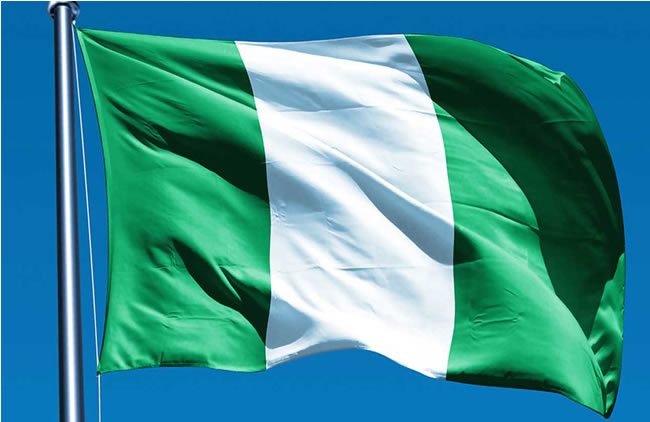
On October 1, 2026, Nigeria commemorates its 66th independence anniversary, yet the occasion is overshadowed by a multitude of challenges that continue to plague the nation. Despite its wealth in resources, including vast arable land, oil, and a youthful population, millions of Nigerians face hunger, inadequate education, and poor infrastructure.
The stark reality is that over 133 million Nigerians, approximately 63% of the population, are classified as multidimensionally poor. This alarming statistic highlights the persistent struggle against poverty that has only intensified in recent years. Furthermore, Nigeria has been ranked as the global capital of extreme poverty, overtaking India in 2018. The 2025 Global Hunger Index places Nigeria at 115th out of 123 countries, categorizing it in the “serious” hunger range, a situation deemed shameful for a resource-rich nation.
In terms of education, between 18 million and 20 million children remain out of school, a situation that poses significant long-term risks for the country’s future. The lack of educational opportunities translates into lost productivity and increased security risks, as these children grow up without the skills necessary to contribute to society.
Infrastructure development is another critical area where Nigeria has lagged. The World Bank estimates that the country requires an investment of approximately $3 trillion over the next 30 years to bridge its infrastructure gap. This is a staggering figure that underscores the urgent need for strategic planning and investment to support a growing population that has increased from 45 million at independence to over 200 million today.
Historically, Nigeria's journey since independence has been marked by a series of missed opportunities. The early years following independence saw regional economies thriving on agriculture, but the shift towards crude oil dependency has stunted diversification efforts. The military interventions that disrupted democratic governance further exacerbated these challenges, leading to a centralized system that has often failed to deliver on its promises.
Despite these setbacks, there have been notable achievements in recent years. The removal of fuel subsidies in 2023 has led to a significant transformation in the petroleum sector, with the Dangote Refinery positioning Nigeria as a major exporter of petroleum products. Moreover, advancements in technology, particularly in the health sector, have shown that Nigeria can achieve remarkable feats when the right conditions are met.
However, these successes raise a pressing question: why has Nigeria not realized its full potential? Comparisons with other nations that gained independence around the same time reveal a troubling disparity. Countries like Singapore and South Korea have transformed their economies through visionary leadership and strategic planning, while Nigeria remains heavily reliant on oil revenues, neglecting to build a diversified economy.
As Nigeria looks towards the future, the need for true federalism has become increasingly apparent. A political structure that empowers regional governments could foster competition and innovation, driving development in education, healthcare, and infrastructure. The current centralized system has led to a culture of dependency on federal allocations, stifling local initiative and progress.
As President Bola Tinubu addressed the nation on this significant day, he proclaimed that “the worst is over” and highlighted improvements in various sectors. However, the lived experiences of many Nigerians tell a different story, one of ongoing struggles and unfulfilled aspirations. For Nigeria to truly celebrate its independence, it must shift from mere survival to achieving success, fulfilling the hopes of its citizens and realizing the vision of its founding fathers.
Sources
- Punch Newspapers Original article