Media Personality Tomama Critiques Accusations of Prostitution Against Women
Tomama defends women's diverse income sources, challenging stereotypes of prostitution.


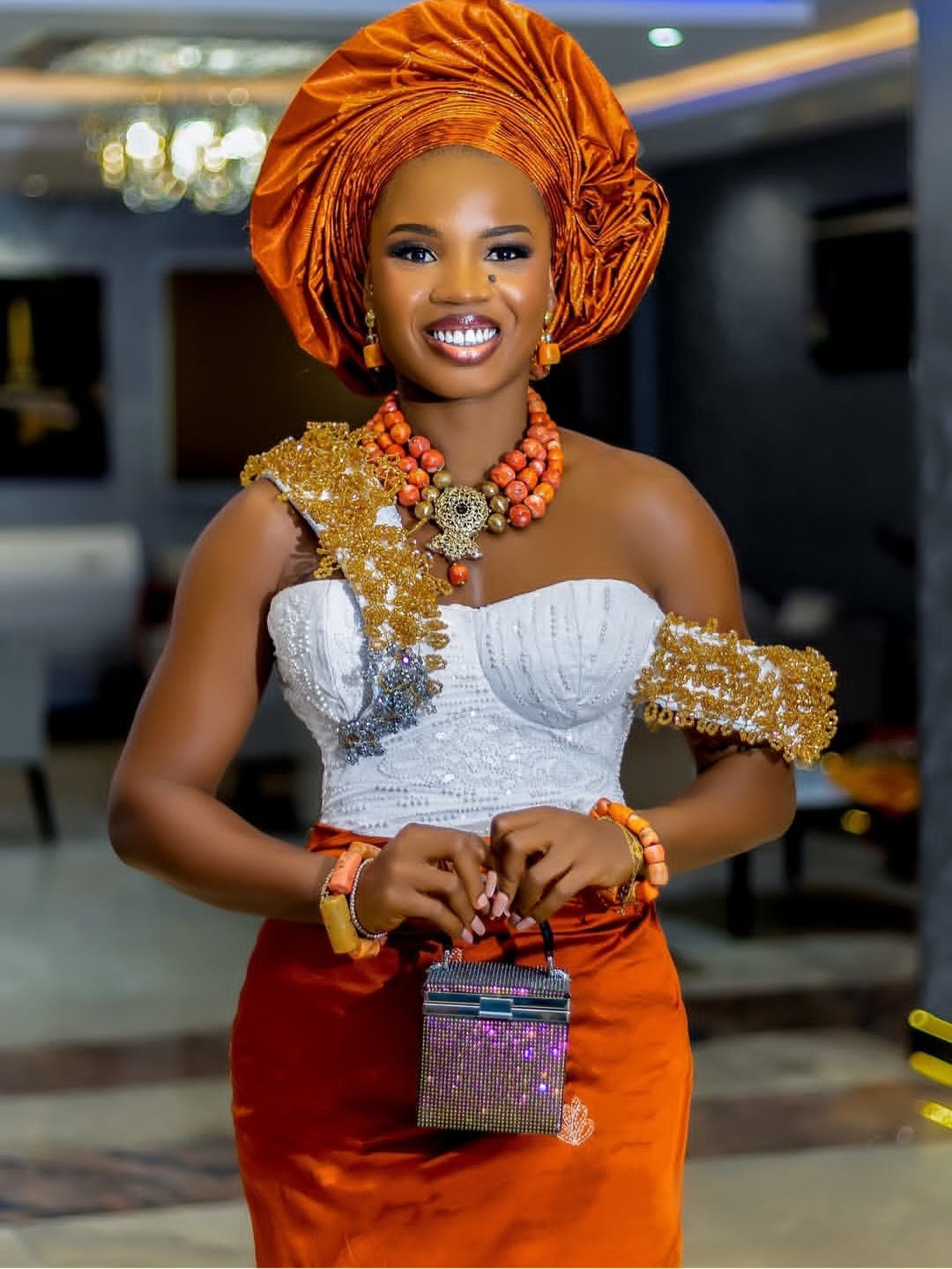
Media personality Tomama, popularly known as Dat Warri Girl, has voiced her frustration over the tendency to label women's financial success as stemming solely from prostitution. In a recent video, she argued that society often overlooks the various legitimate avenues through which women earn money, attributing their wealth to the oldest profession instead.
Tomama's comments come in the wake of remarks made by fellow content creator Kemi Ikuseedun, also known as Mummy Wa, who suggested that many women in the entertainment industry engage in prostitution. Tomama countered this narrative, emphasizing that women are involved in a range of activities that can lead to financial success, including serious crimes such as kidnapping, money laundering, robbery, and drug trafficking.
She expressed her discontent with how society perceives women, stating, "When some of you can't figure out a woman's source of income, you'll just accuse her of prostitution." Tomama highlighted that this stereotype diminishes the complexities of women's lives and their ability to engage in various professions.
The media personality further elaborated on the societal bias that often leads to such accusations, claiming that women are not given the same recognition as men for their achievements. This lack of acknowledgment, she argues, contributes to the unfair labeling of women as prostitutes when their sources of income are not immediately clear.
Tomama's statements resonate with ongoing discussions about gender bias and the stigmatization of women's financial independence. As more women break into various industries and achieve success, the challenge remains to dismantle the stereotypes that persist in attributing their success to illicit activities.
In a society that often scrutinizes women's choices and sources of income, Tomama's remarks serve as a call for a broader understanding and recognition of women's diverse contributions beyond outdated stereotypes. Her comments have sparked conversations about the need for a more nuanced view of women's roles in society, particularly in the context of their economic empowerment.
Sources
- Linda Ikeji's Blog Original article