Lagos Ports Dominate Nigeria's Trade, Handling 84.6% of Total Merchandise in Q2 2026
In Q2 2026, Lagos ports accounted for N35.07 trillion of Nigeria's N41.44 trillion trade, highlighting their crucial role.


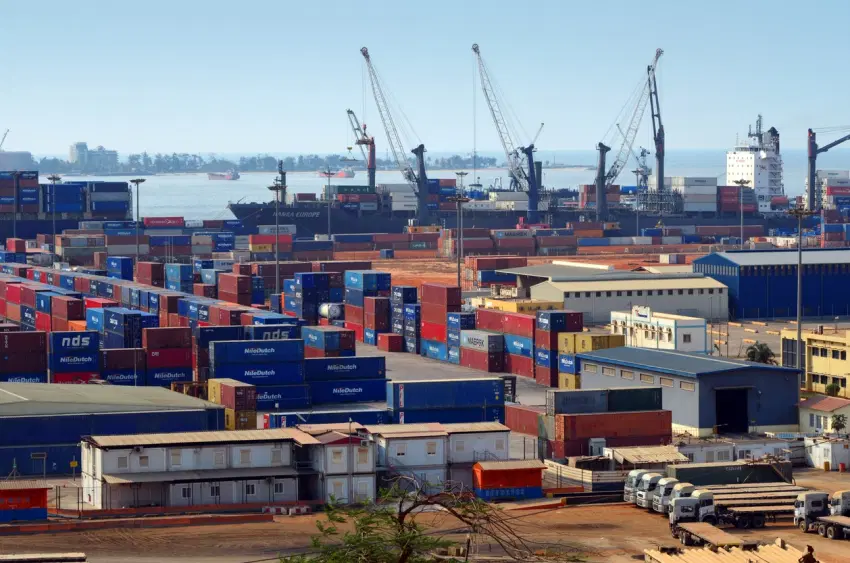
Lagos ports have once again demonstrated their critical role in Nigeria's economy, managing an impressive 84.6% of the nation's total merchandise trade in the second quarter of 2026. According to the latest Foreign Trade in Goods Statistics from the National Bureau of Statistics (NBS), the total trade for the quarter reached N41.44 trillion, with Lagos ports handling approximately N35.07 trillion of that amount.
The statistics reveal that Nigeria's total merchandise trade comprised N27.02 trillion in exports and N14.42 trillion in imports during the same period. The three primary ports in Lagos—Apapa Port, Lekki Deep Sea Port, and Tin Can Island—were responsible for the majority of this trade, with their combined export and import flows estimated at N34.90 trillion.
Apapa Port emerged as the standout performer, processing N25.53 trillion in total trade, which includes N19.07 trillion in exports and N6.46 trillion in imports. This port alone accounted for 70.57% of Nigeria's total exports, solidifying its position as the country's leading export gateway. Lekki Deep Sea Port followed with N6.64 trillion, comprising N5.03 trillion in exports and N1.61 trillion in imports, while Tin Can Island contributed N2.90 trillion, made up of N726.92 billion in exports and N2.17 trillion in imports.
The dominance of Apapa and Lekki Deep Sea Port is particularly notable in the export sector, where they jointly accounted for 89.19% of exports recorded among Nigeria's leading customs ports. On the import side, Apapa retained its lead with N6.46 trillion, representing 44.76% of total imports, while Tin Can Island and Lekki Deep Sea Port followed with N2.17 trillion and N1.61 trillion, respectively.
The concentration of trade activities in Lagos highlights the strategic importance of these ports to Nigeria's economy. In contrast, other Nigerian ports like Port Harcourt Area-1 and Onne facility reported significantly lower figures, with Port Harcourt handling about N1.4 trillion and Onne accounting for N2 trillion in total trade.
These figures underscore the overwhelming share of Nigeria's merchandise trade that is funneled through Lagos, emphasizing the need for continued investment and development in the region's port infrastructure to support the growing demands of international trade.
Sources
- Vanguard News Original article