Rising Fuel Prices Strain Nigerian Households and Businesses Amid Global Crude Surge
Fuel prices in Nigeria have surged, with major marketers raising costs to N1,400 per litre, impacting transport and living expenses.


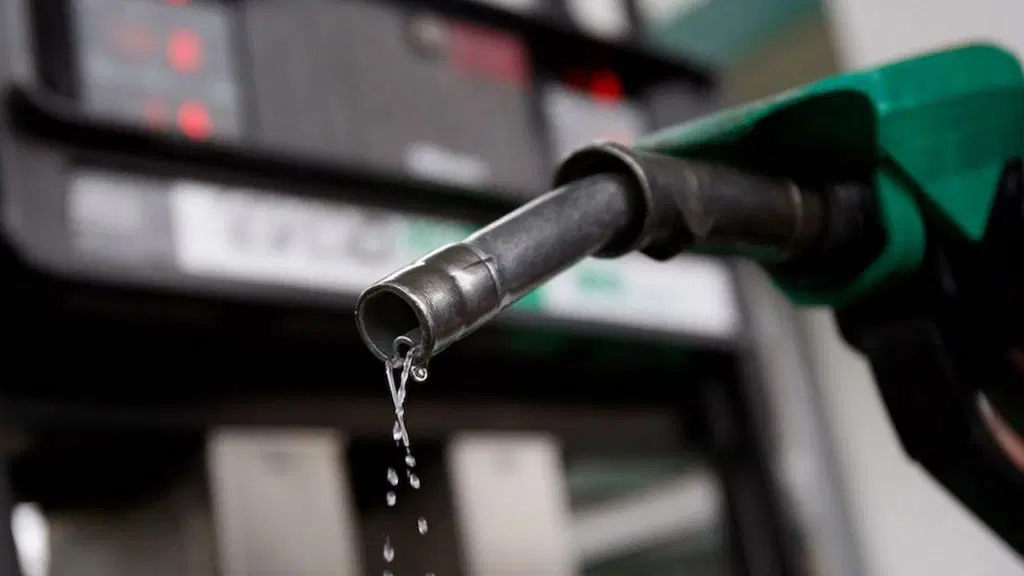
Nigerians are facing increasing financial pressure as fuel prices rise sharply due to soaring international crude oil costs. Major marketers have raised petrol prices significantly, with MRS filling stations now charging N1,400 per litre, a 7.7% increase from the previous price of N1,300. Similarly, NNPC Limited stations have increased their prices to N1,375 per litre, up from N1,275, while independent marketers have also adjusted their prices to N1,400 per litre from approximately N1,360.
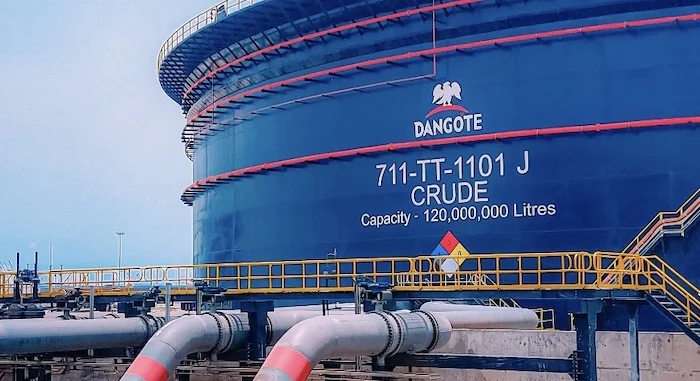
This surge in fuel prices is attributed to the recent spike in global crude oil prices, which have surpassed $100 per barrel. The increase follows a rise in the gantry price of petrol by Dangote Petroleum Refinery to N1,350 per litre, reflecting the broader impact of escalating crude prices and rising costs throughout the petroleum supply chain.
The implications of these price hikes are significant, particularly for transporters and commuters. As fuel costs rise, transport operators are likely to increase fares to maintain their profit margins. This change will affect commercial buses, taxis, and tricycles, placing additional financial burdens on everyday Nigerians who rely on these services to commute to work, school, and other daily activities.
Households are also bracing for increased expenses, as the higher fuel prices will likely lead to elevated transportation costs and, consequently, the prices of essential goods. With many families depending on petrol-powered generators, the cost of electricity generation is set to rise, further straining household budgets.
Small and medium-sized enterprises, which often depend on fuel for logistics and power, are also expected to feel the pinch. The combination of soaring fuel prices and increased transportation costs could squeeze profit margins, forcing businesses to either absorb the costs or pass them on to consumers through higher prices.
Mazi Colman Obasi, the National President of the Oil and Gas Services Providers Association of Nigeria, highlighted that the deregulated nature of Nigeria's downstream market means domestic fuel prices are increasingly influenced by international crude prices and other supply chain factors. He warned that if crude prices remain elevated, domestic petrol prices could face further upward pressure.
Victoria Ibezim-Ohaeri, Executive Director of Spaces for Change, echoed these concerns, stating that households will likely experience higher costs for transportation and food as the fuel price increases ripple through the economy. She noted that the impact is particularly acute for low- and middle-income families, who may see their purchasing power diminish as they grapple with rising costs.
As the situation develops, the potential for continued volatility in fuel prices looms, driven by ongoing conflicts and disruptions in key shipping routes, which may keep crude and refined petroleum prices elevated. The overall economic outlook remains uncertain as higher energy and transportation costs threaten to exacerbate inflation and hinder recovery in the non-oil sectors of the economy.
Sources
- Vanguard News Original article