Lagos State initiates three-year plan to enhance primary healthcare services
Amid rising population pressures, Lagos State is launching a comprehensive overhaul of its primary healthcare system.


Lagos State is embarking on a significant three-year initiative aimed at revitalizing its primary healthcare system, responding to the mounting challenges posed by rapid population growth, malnutrition, and workforce shortages. Health authorities have underscored the urgency of this plan, which was discussed during a recent strategic planning workshop supported by the World Bank-backed IMPACT Project.
The Lagos State Primary Health Care Board (LSPHCB) convened the workshop with participation from local government and council development area leaders. The proposed strategy seeks to establish a comprehensive baseline for primary healthcare services throughout Lagos, identify critical infrastructure and workforce gaps, and delineate responsibilities among government institutions and development partners. Additionally, it aims to create a costed framework for investment over the next three years.
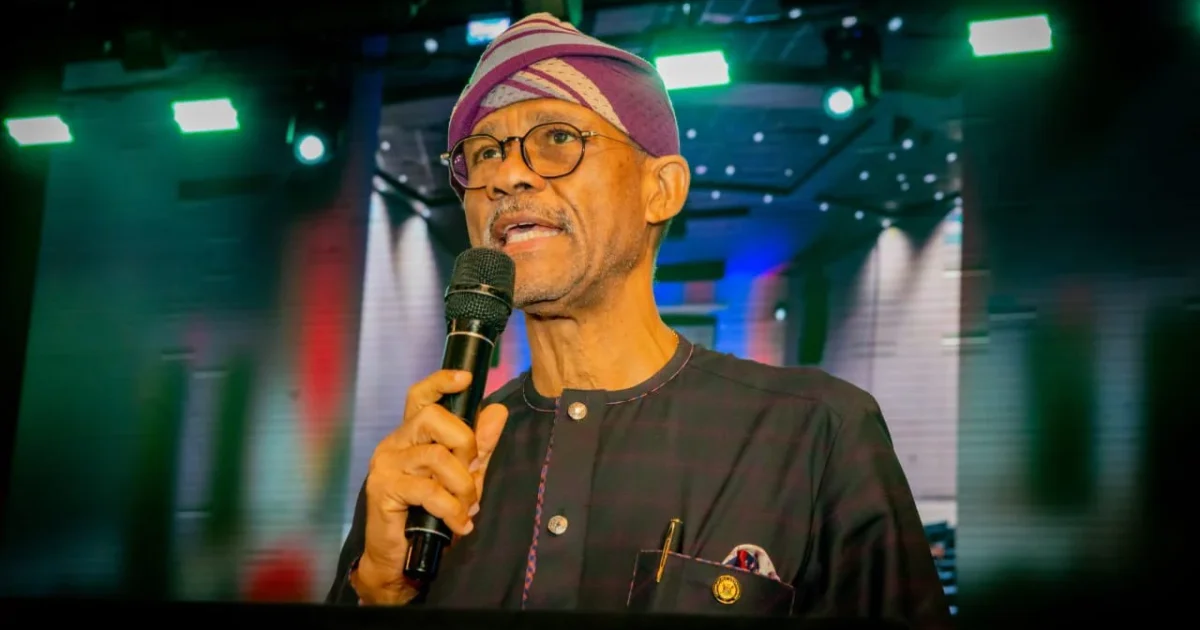
Professor Akin Abayomi, the Lagos State Commissioner for Health, emphasized the importance of primary healthcare in addressing the needs of the state’s expanding population. He noted that approximately 70 percent of healthcare services are delivered at the primary level, making these facilities essential to the overall health system. Abayomi cautioned that without proactive planning, the existing infrastructure and workforce would struggle to meet future demands, particularly as the population continues to rise.
Nutrition emerged as a critical concern during the discussions, with Abayomi revealing that nearly 30 percent of children in Lagos face issues related to undernutrition or overnutrition. He highlighted the necessity for ongoing investment in healthcare infrastructure, medical equipment, and personnel to tackle emerging health threats effectively.
The workshop identified several pressing challenges, including climate change, infectious disease outbreaks, antimicrobial resistance, and drug abuse. Abayomi articulated a vision for a resilient primary healthcare system capable of meeting current needs while preparing for future demands.
Dr. Ibrahim Mustafa, the Permanent Secretary of the LSPHCB, described the planning exercise as a pivotal moment for Lagos’ healthcare system. He urged stakeholders to move beyond broad policy discussions to pinpoint specific gaps and interventions needed to enhance primary healthcare services. This strategic approach aims to ensure that investments translate into tangible improvements for residents.
Dr. Victoria Egunjobi, Executive Secretary of the Health Facility Monitoring and Accreditation Agency, stressed that merely expanding physical infrastructure would not suffice to guarantee effective primary healthcare. She called for facilities to meet rigorous standards in areas such as equipment, personnel, and infection control. Egunjobi insisted that public healthcare providers should be held to the same standards as private ones, asserting that quality healthcare is a fundamental right.
The workshop is expected to yield a coordinated, costed plan that will guide investments and improve access to primary healthcare across Lagos. Dr. Temitope Balogun-Alo, Director of Planning, Research and Statistics at the LSPHCB, noted that the workshop would provide the necessary evidence base for future healthcare spending, ensuring that resources are allocated where they are most urgently needed.
As the Lagos IMPACT Project Manager, Dr. Veronica Iwayemi, pointed out, the involvement of local government leaders is crucial in ensuring that healthcare interventions effectively reach the communities that need them most. The collaborative effort aims to create a sustainable healthcare framework that will benefit Lagos residents in the years to come.
Sources
- Punch Newspapers Original article