SEC reports successful transition to T+1 settlement cycle in Nigeria's capital market
The Securities and Exchange Commission announces smooth adoption of T+1 settlement cycle, boosting investor confidence.


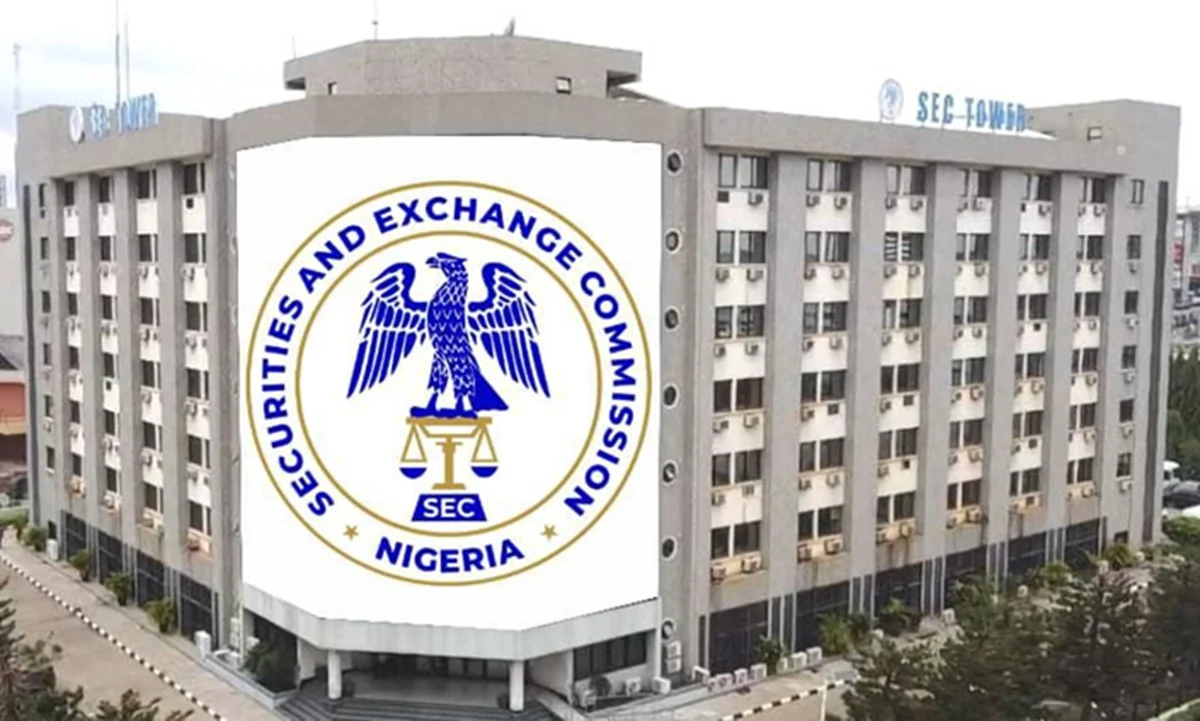
The Securities and Exchange Commission (SEC) has confirmed that the transition to the T+1 settlement cycle in Nigeria's capital market is progressing well, enhancing the market's competitiveness and providing much-needed relief to its participants. This update was shared during an interview in Abuja by the SEC's Director-General, Dr. Emomotimi Agama, who was represented by Mrs. Hafsat Rufai, the Director of Registration, Exchanges, and Market Infrastructure.
Dr. Agama noted that both local and international investors have expressed satisfaction with the new settlement cycle, which allows for quicker transactions. "Feedback from them has been excellent. They are happy with T+1, and the local investors are also happy with T+1," she stated. Initially, there were concerns regarding the availability of funds for settlement, particularly due to varying time zones affecting cash sourcing. However, the new settlement deadline of 5:00 p.m. has alleviated these worries, allowing custodian banks adequate time to arrange necessary funds.
The SEC has reported no defaults due to fund unavailability since the implementation of T+1. Dr. Agama explained that the market previously operated on a T+3 settlement cycle for several years before moving to T+2 on November 28, 2025, and then to T+1 on June 1, 2026. This phased transition is part of a broader strategy to modernize the Nigerian capital market, enhance liquidity, and reduce settlement risks.
The T+1 settlement cycle means that when an investor buys shares, the transaction is completed by 5:00 p.m. the following day. This is a significant improvement over the previous T+2 cycle, where settlements occurred at 8:00 a.m. two days after the trade. The SEC's decision to extend the settlement deadline aligns with a recent increase in trading hours on the Nigerian Exchange (NGX), which were adjusted from 2:30 p.m. to 4:00 p.m.
Dr. Agama emphasized that the new settlement cycle aims to improve efficiency within the Nigerian market, allowing investors to receive their securities or cash sooner. The SEC is optimistic that this change will further attract both local and foreign investments, thereby strengthening the overall market structure.
As the SEC continues to monitor the implementation of T+1, it remains committed to ensuring that the transition is seamless and beneficial for all market participants, reinforcing Nigeria's position as a competitive player in the global capital market.
Sources
- tribuneonlineng Original article