Nigeria's petrol price surges to N1,310 per litre despite falling crude oil rates
The price of petrol in Nigeria has risen by 9% to N1,310 per litre, even as crude oil prices decline.


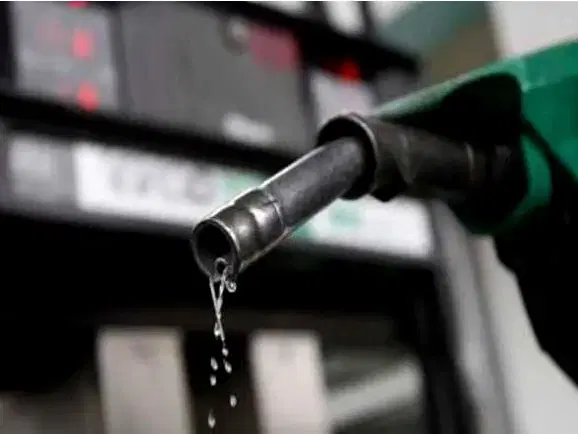
The price of Premium Motor Spirit (PMS), commonly known as petrol, has seen a significant increase in Nigeria, rising by 9% to N1,310 per litre. This increase comes despite a recent decline in crude oil prices, which dropped from $92 to $87.31 per barrel. The new price took effect on August 28, 2026, as reported by Vanguard.
Major fuel retailer MRS has adjusted its prices in Lagos and surrounding areas, aligning with this increase. Other marketers have also raised their petrol prices, with rates now ranging from N1,315 to over N1,400 per litre, up from less than N1,270. This trend indicates a growing disconnect between international crude oil prices and local petrol costs, driven by various domestic factors.
Recent data reveals that petrol depot prices in Nigeria remain high, with the highest recorded at N1,217 per litre in Warri, followed closely by Port Harcourt at N1,214 and Calabar at N1,204. These figures highlight that while crude prices may fluctuate, the domestic market is influenced by local supply, refining capabilities, and logistics.
Despite the drop in global crude prices, petrol prices at Nigerian depots have not followed suit, suggesting that other cost factors are increasingly at play. Factors such as refining margins, product availability, exchange rates, and logistics costs are now significantly influencing the final price at the pump. This divergence raises concerns about the potential impact on consumers and the broader economy, especially as higher fuel prices could lead to increased transportation and logistics costs, ultimately affecting food distribution and inflation.
As the domestic refining industry continues to grow, locally refined products are beginning to compete more effectively with imported fuels. This competition might help mitigate the extent to which higher depot prices are passed on to consumers. However, the current situation underscores the importance of monitoring the dynamics between depot and pump prices, as well as regional price variations, to better understand their implications for inflation and the overall economy.
In summary, while crude oil prices have decreased, the rising cost of petrol in Nigeria reflects a complex interplay of local market conditions and operational costs, necessitating careful observation of future price trends.
Sources
- Vanguard News Original article