Anambra Local Government Elections See Low Voter Turnout Amid Uncontested Seats
Anambra State's local government elections faced significant voter apathy as the APGA party ran unopposed in 20 councils.


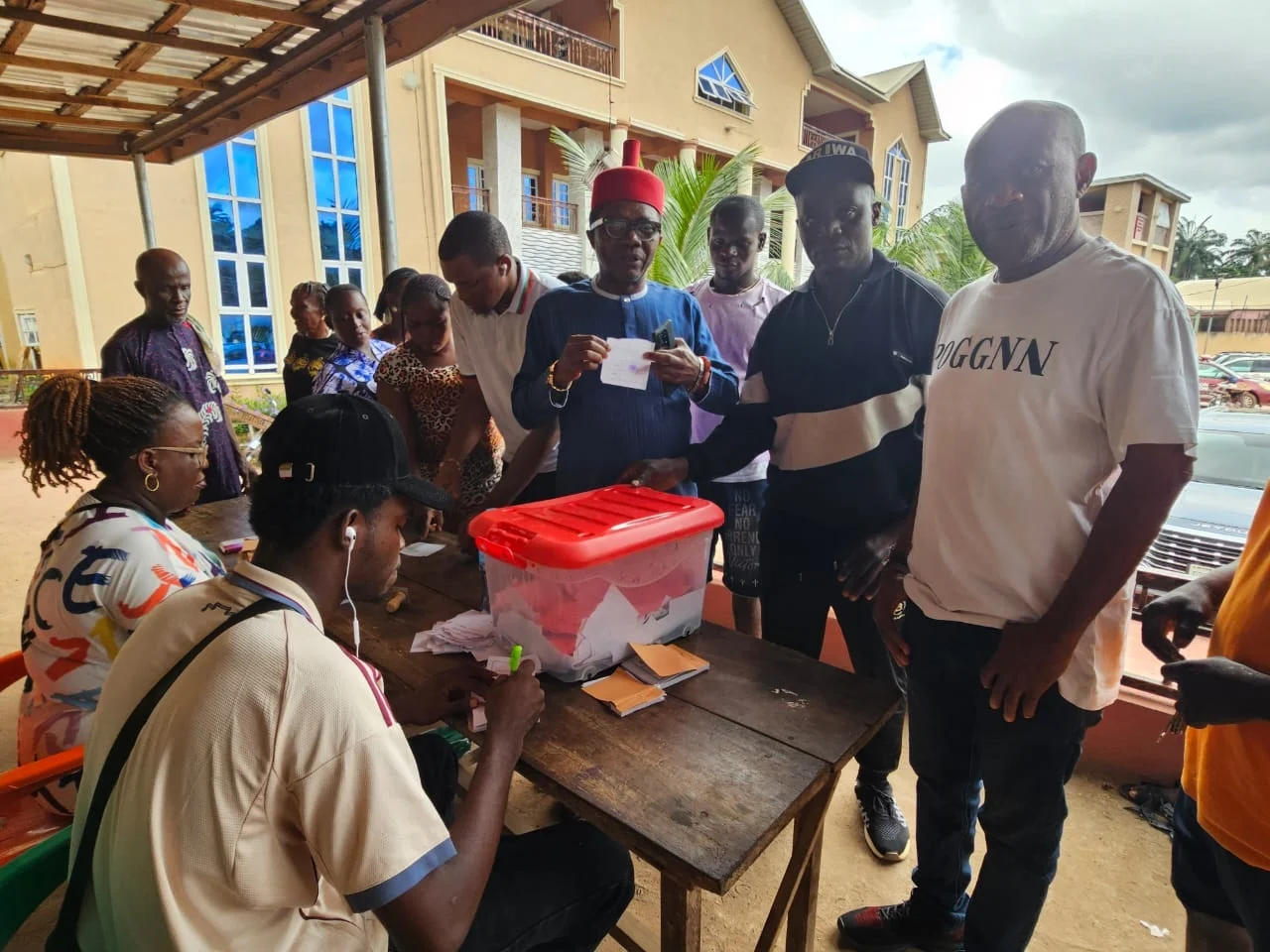
The local government elections held in Anambra State on Saturday witnessed a notable lack of enthusiasm among voters, as many polling units reported a low turnout. The elections, which commenced around 8:20 AM, aimed to fill mayoral positions across the 21 local government areas of the state.
A significant factor contributing to the low participation was the fact that the All Progressives Grand Alliance (APGA) ran unopposed in 20 of the councils. This situation left many voters feeling disillusioned, as the absence of competitive candidates diminished the incentive to participate in the electoral process.
Polling stations across the state showed a stark contrast to previous elections, where voter turnout was typically robust. Observers noted that many polling units remained largely empty, with only a handful of residents showing up to cast their votes. The lack of competition may have led to a perception that the outcome was already predetermined, further discouraging participation.
Despite the challenges, electoral officials were present at the polling locations to ensure the process was conducted smoothly. They reported that voting materials were adequately supplied, and the few voters who did participate were able to cast their ballots without significant issues.
As the day progressed, the situation raised concerns among political analysts and citizens alike about the health of democracy in the region. The unopposed nature of the elections in most councils has sparked discussions on the need for electoral reforms and strategies to enhance voter engagement in future elections.
The outcome of these elections will have implications for governance in Anambra State, as the elected mayors will play crucial roles in managing local affairs and addressing community needs. However, the evident voter apathy signals a pressing need for political parties and stakeholders to re-evaluate their strategies to foster a more vibrant electoral culture in the state.
Sources
- tribuneonlineng Original article