Pentagon to withdraw 200 troops from Nigeria as mission concludes
The US military is set to withdraw approximately 200 troops from Nigeria by late September 2026, following a successful deployment against Islamist militants.


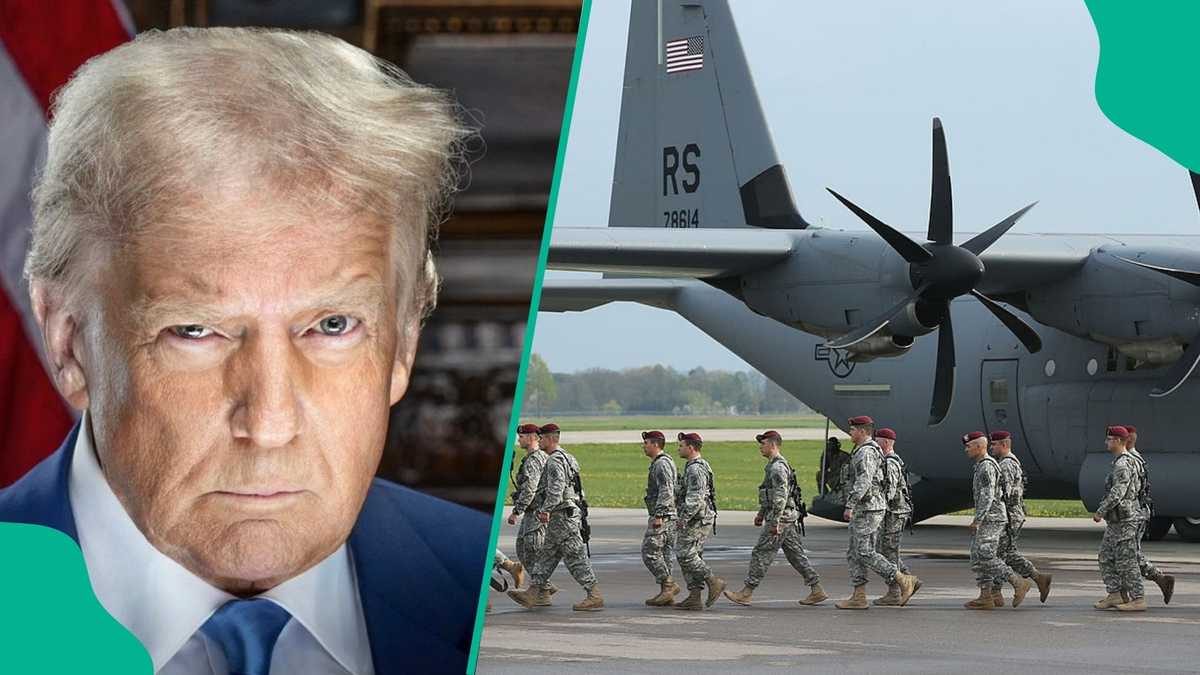
The United States Pentagon has announced plans to withdraw around 200 troops from Nigeria by the end of September 2026. This decision comes after a deployment that US and Nigerian officials have described as yielding results that far exceeded expectations in the fight against Islamist militants.
The troops were initially sent to Nigeria earlier this year to assist in combating groups like ISIS. According to reports from The New York Times, the withdrawal follows a significant operation in May 2026, which resulted in the death of Abu-Bilal al-Minuki, the second-in-command of ISIS, in the Lake Chad Basin. This operation was seen as a pivotal moment in the ongoing battle against terrorism in the region.
Despite the withdrawal of the main contingent, smaller teams of trainers and intelligence analysts are expected to remain in Nigeria to continue supporting local forces. Dagvin Anderson, the commander of US Africa Command (AFRICOM), highlighted that the deployment in Nigeria could serve as a potential model for future US military operations across Africa.
The US and Nigeria have maintained a strong partnership, particularly in intelligence sharing and military training. Following the May operation, Anderson noted that Nigeria has been proactive in disrupting terrorist activities and enhancing its security measures. He confirmed that the US would continue its intelligence cooperation with Nigeria, even as troop levels decrease.
The security landscape in Nigeria remains complex, with various forms of violence affecting the country. While the US military's involvement was partly driven by concerns over the persecution of Christian communities in Nigeria's Middle Belt, Nigerian officials have emphasized that the violence is multifaceted and cannot be attributed to a single cause. This perspective was reinforced during recent talks between US and Nigerian officials, focusing on security strategies to protect vulnerable communities.
Ladd Serwat, an Africa senior analyst, pointed out that Islamist militant activities represent only a fraction of the overall violence in Nigeria. The situation is complicated by factors such as banditry in the northwest, clashes between farmers and pastoralists, and violence from various cult groups and militias. Despite the reported successes in combating ISIS, insecurity continues to rise across the country, indicating that significant challenges remain.
In recent months, joint military training exercises have taken place between US and Nigerian forces, aimed at enhancing operational capabilities. These exercises cover a range of skills, including emergency medical care and the use of unmanned aircraft systems, as part of a broader security cooperation mission between the two nations.
As the Pentagon prepares for this troop withdrawal, the focus will remain on sustaining the gains achieved in combating terrorism while addressing the broader security challenges that Nigeria faces.
Sources
- Legit Original article