Tinubu's Muslim-Muslim Ticket Sparks Controversy Over Religious Representation
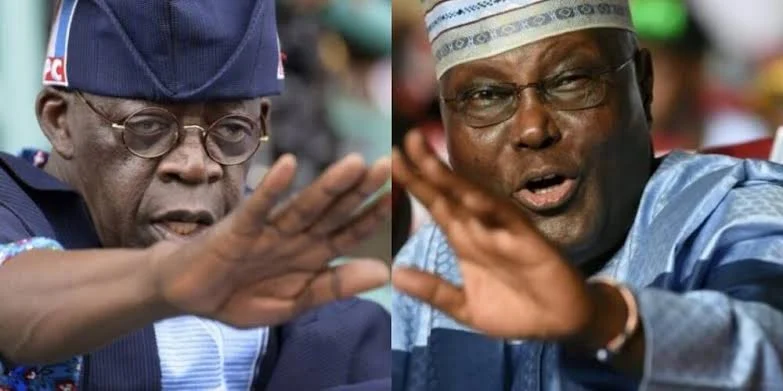
The choice of a Muslim-Muslim ticket by President Tinubu has ignited debates about the political relevance of Christianity in Nigeria.


The political landscape in Nigeria is facing renewed scrutiny following President Bola Ahmed Tinubu's decision to run with a Muslim vice-presidential candidate in the 2023 elections, a move that many believe has diminished the political relevance of Christianity in the country. This decision has not only sparked debates among political analysts but has also emboldened certain religious figures to assert the dominance of Islam in Nigeria's political sphere.
In a recent address, Sheikh Sani Yahaya Jingir, an Islamic cleric, suggested that the success of the Muslim-Muslim ticket in the last election is indicative of Islam's numerical superiority over Christianity in Nigeria. He urged Muslims to prepare for another similar ticket in the upcoming 2027 elections, claiming, "Let us show the world that those unbelievers who claim they outnumber us in Nigeria are lying." His comments have raised alarms about the potential for increased religious tension in a country already grappling with deep-seated divisions.
Critics argue that Tinubu's choice to partner with a fellow Muslim, Kashim Shettima, was a strategic decision rooted in electoral calculations rather than a reflection of the country's demographic realities. Despite the narrative being pushed by figures like Jingir and former Kaduna State Governor Nasir el-Rufai, who claimed that Christians lack electoral value, data from the 2023 elections indicates that Tinubu garnered only 36.6% of the votes, with a significant 63.39% of the electorate rejecting his candidacy.
The presidency's response to Jingir's inflammatory remarks has been notably muted, contrasting sharply with its quick condemnation of Catholic bishops who recently expressed concerns about the state of the nation. Cardinal John Onaiyekan, who led a delegation of bishops to meet with Tinubu, described Nigeria as "bleeding" and urged the president to address pressing national issues. In response, Tinubu's aides accused the bishops of politicizing their spiritual role, highlighting a perceived bias in how the presidency engages with religious leaders.
The implications of Tinubu's Muslim-Muslim ticket extend beyond electoral strategy; they challenge the conventional wisdom that has historically dictated a balance of power between Nigeria's two major religions. This balance has been a cornerstone of Nigeria's political framework, with past leaders often opting for candidates from different faiths to foster unity and inclusiveness.
However, the current administration appears to be shifting away from this precedent, with Tinubu's wife acknowledging that political decisions are influenced by perceived demographic advantages. She stated, "Let’s face it, the Muslims are more than us (Christians)." This sentiment not only reflects a troubling trend but also raises questions about the future of religious representation in Nigerian politics.
As the nation prepares for the 2027 elections, the rhetoric surrounding religious identity and electoral strategy is likely to intensify. The potential for a Muslim-Muslim ticket to become a norm could have far-reaching consequences for Nigeria's social fabric, particularly if it continues to marginalize the Christian community. Observers warn that such developments could lead to increased religious polarization, posing a significant threat to the fragile harmony that has characterized Nigeria's diverse society.
In light of these tensions, it is crucial for leaders from all faiths to engage in constructive dialogue to ensure that the political landscape remains inclusive and representative of Nigeria's rich religious diversity. Failure to address these concerns may not only alienate a significant portion of the population but could also ignite further conflict in a country that has already faced its share of religious strife.
Sources
- Vanguard News Original article