Osun Governorship Election Tests INEC's Credibility Amid Public Distrust
The recent Osun State governorship election raises critical questions about electoral trust in Nigeria.


The recent governorship election in Osun State has sparked a significant dialogue about the credibility of the Independent National Electoral Commission (INEC) and the broader electoral process in Nigeria. Ademola Adeleke emerged victorious in the August 15 election, securing 511,067 votes against Bola Oyebamiji’s 444,815 votes, marking a continuation of Adeleke's leadership. However, the aftermath of the election has raised deeper concerns beyond the mere arithmetic of votes.
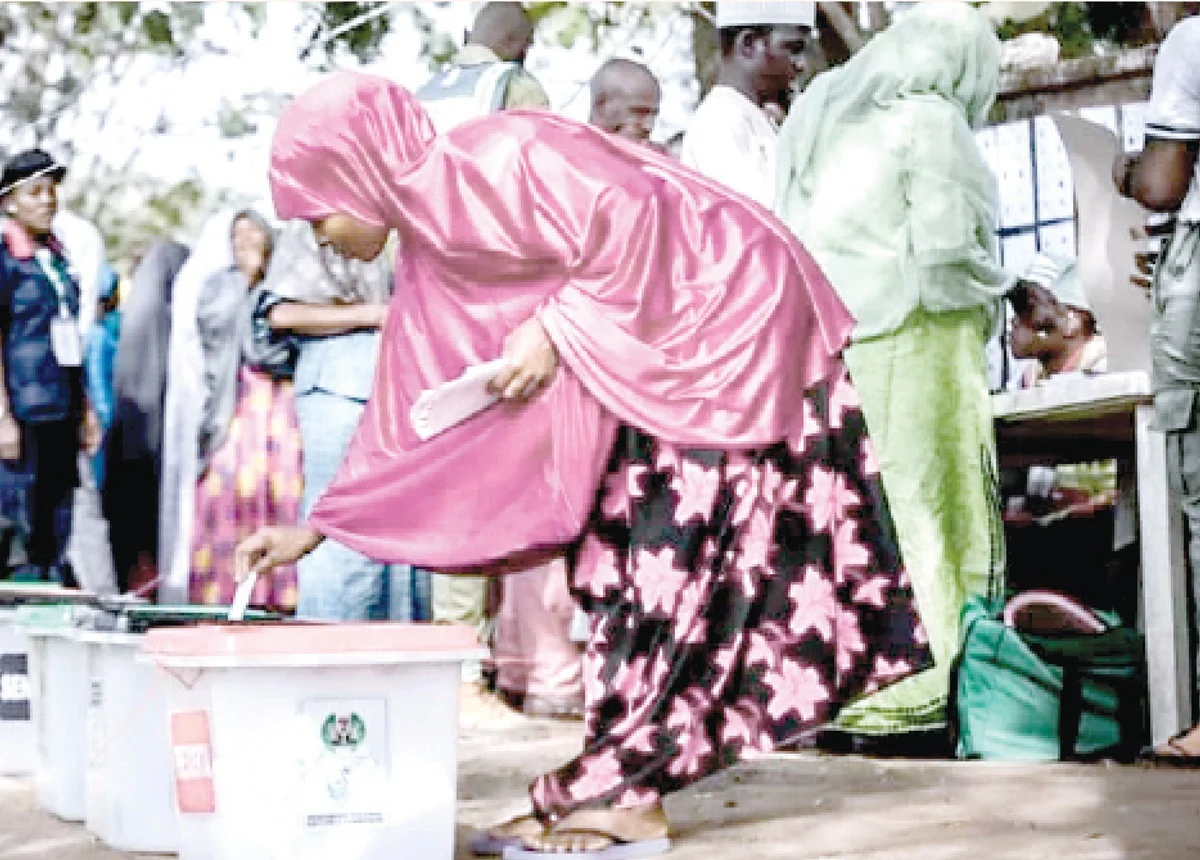
As the dust settles in Osogbo, the question looms: Can Nigerians trust the electoral process? This inquiry transcends individual candidates and reflects a broader skepticism that has taken root in the Nigerian political landscape. The Osun election was not merely another contest; it was a litmus test for INEC, which has faced scrutiny over its ability to conduct free and fair elections amid a history of electoral malpractices.
The election carried the weight of public expectations regarding the use of technology, particularly the Biometric Voter Accreditation System (BVAS) and electronic transmission of results. While these innovations aim to enhance the integrity of the voting process, they cannot alone restore public faith. The real challenge lies in addressing the cultural issues surrounding Nigerian politics, where elections often become battlegrounds rather than democratic exercises.
INEC's performance during the Osun election showcased its capability to manage a competitive electoral environment without a complete breakdown of its systems. Despite facing logistical challenges across the 3,763 polling units, the commission managed to avoid the chaos that has marred previous elections. This achievement, however, should not lead to complacency. The election was a test, not a triumph, and the lingering question of credibility remains.
Public perception plays a crucial role in the legitimacy of electoral outcomes. Delays in announcing results or logistical hiccups can quickly spiral into distrust and conspiracy theories. In a country where silence can be filled with speculation, timely and transparent communication is essential. The Osun election highlighted the need for INEC to engage with the public throughout the electoral process, rather than merely releasing information post-facto.
Moreover, the presence of security personnel during the election raises concerns about the state of democracy in Nigeria. While security is necessary to protect voters and election officials, a heavy security presence can also signal a lack of trust in the political process. A democracy should not require a military atmosphere for citizens to feel safe while exercising their rights.
The political culture in Nigeria has evolved into one where elections are viewed as existential battles, leading to desperation among politicians. This mindset can transform elections into conflicts rather than contests, undermining the very foundation of democracy. The responsibility to change this narrative does not rest solely on INEC; it also lies with the political class, which must work towards a more peaceful and respectful electoral environment.
As Nigeria approaches future elections with higher stakes, the lessons learned from the Osun governorship election are critical. The ultimate goal is to reach a point where electoral outcomes are accepted, regardless of personal preferences. A credible election should allow citizens to acknowledge the legitimacy of the process, even if their preferred candidate does not win.
In conclusion, the Osun election serves as a reminder that building trust in the electoral system requires consistent effort. It is not enough for INEC to simply conduct elections; it must also work to ensure that the process is transparent and trustworthy. The real test lies in whether Nigerians can look at a ballot box and believe in its integrity. The future of democracy in Nigeria may depend on the answers to these questions.
Sources
- Vanguard News Original article