Presidency criticizes Atiku's fuel subsidy plan, citing legal and fiscal concerns
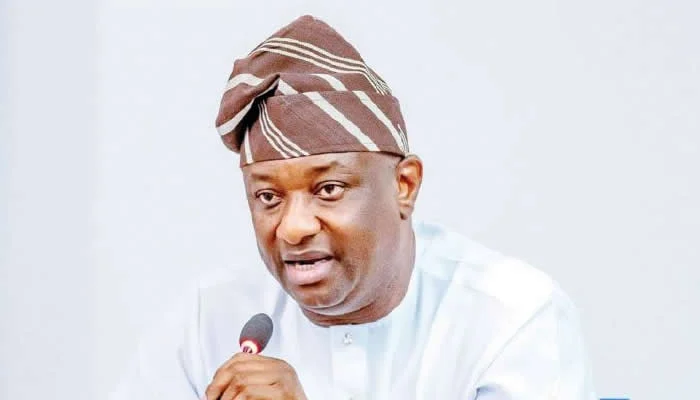
Bayo Onanuga challenges Atiku Abubakar's proposal to restore fuel subsidies, calling it financially irresponsible.


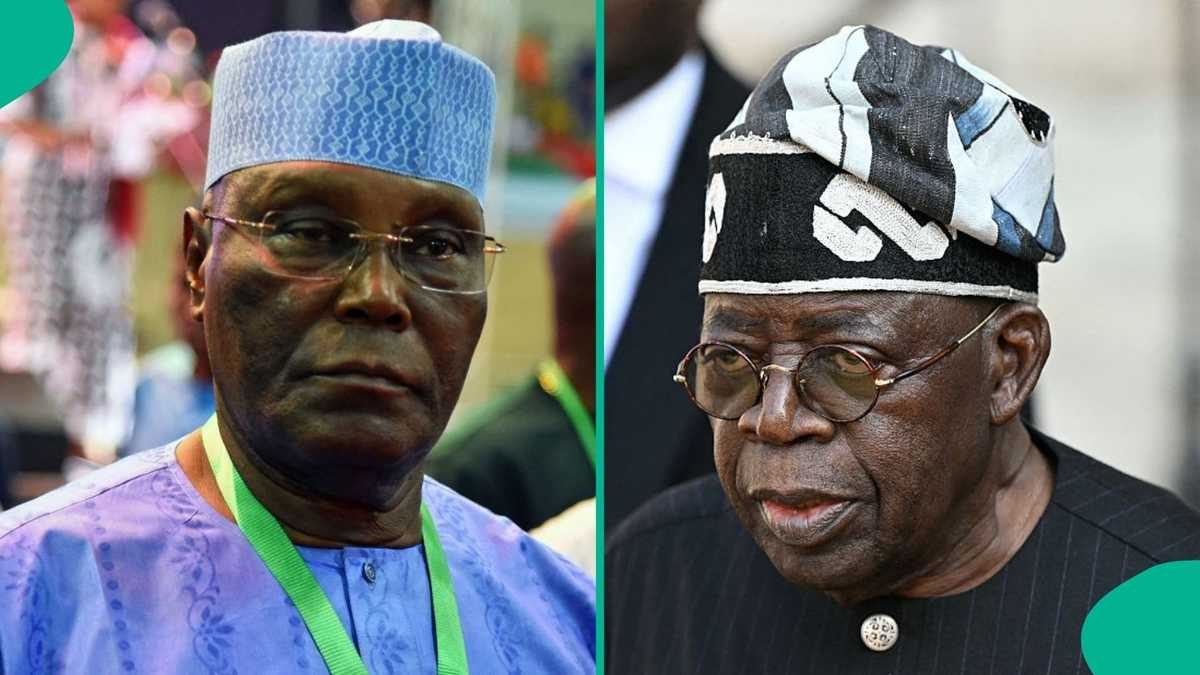
The Nigerian presidency has openly criticized former Vice President Atiku Abubakar's pledge to reinstate fuel subsidies if he wins the 2027 presidential election. Bayo Onanuga, Special Adviser to President Bola Tinubu, described the proposal as both fiscally irresponsible and legally problematic, raising significant concerns about its implications for Nigeria's petroleum sector.
In a statement issued on August 20, 2026, Onanuga highlighted that Atiku's plan contradicts the Petroleum Industry Act, which legally abolished the subsidy arrangement in June 2023. He emphasized that any attempt to restore subsidies would require Atiku to provide a clear funding source and potentially amend existing legislation, which he deemed unlikely.
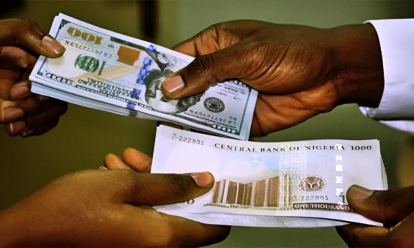
Onanuga specifically challenged Atiku's assertion that eliminating the subsidy had generated a N30 trillion windfall, labeling it a mere fabrication. He clarified that the subsidy was not a cash reserve but a cost absorbed by the Nigerian National Petroleum Corporation (NNPC) whenever it sold petrol below the production cost. Furthermore, he pointed out that the government still owes trillions of naira in unpaid subsidy costs, which remain on NNPC's financial records.
The adviser also noted the structural changes in Nigeria's petroleum industry, particularly the emergence of the Dangote Refinery, which has significantly increased the country's capacity for locally refined petrol. Onanuga argued that restoring the subsidy would jeopardize smaller domestic refineries, potentially lead to job losses, and threaten Nigeria's new status as an exporter of refined products to international markets.
Onanuga further explained that the funds previously allocated for subsidies, estimated at around N15 trillion, are now distributed among federal, state, and local governments. He cited a record-sharing figure of approximately N3 trillion in July 2026, attributing this success to the removal of the subsidy.
While acknowledging the rising costs of fuel and transportation as a real challenge for Nigerian households, Onanuga insisted that reinstating subsidies is not a sustainable solution. He proposed the government's ongoing initiative to promote Compressed Natural Gas (CNG) as a viable alternative, highlighting its cost-effectiveness compared to petrol.
In light of these developments, Onanuga urged Atiku and other political figures to present comprehensive legal and fiscal details regarding any proposed subsidy restoration plan ahead of the 2027 elections. This call for transparency comes amid ongoing debates about the future of Nigeria's energy policies and the economic implications of such significant changes.
The criticism from the presidency follows prior remarks by FCT Minister Nyesom Wike, who labeled Atiku a "voodoo economist" for his inconsistent stance on fuel subsidy policy. Wike also expressed confidence in President Tinubu's position as the leading candidate for the upcoming election, further intensifying the political discourse surrounding this contentious issue.
Sources
- Legit Original article