Political Parties Sign Peace Accord Ahead of 2027 Elections Amid Notable Absences
Political parties and candidates have signed a peace accord to ensure issue-based campaigns for the upcoming elections.


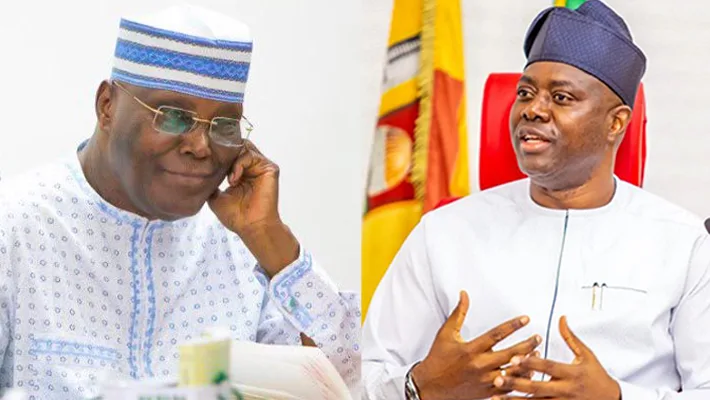
In a significant move to foster peaceful political engagement ahead of the 2027 general elections, various political parties and their candidates gathered in Abuja on Tuesday to sign the First National Peace Accord. This initiative, organized by the National Peace Committee in collaboration with The Kukah Centre, aims to promote issue-based campaigns while discouraging violence, hate speech, and misinformation.
The signing ceremony took place just a day before the official commencement of public campaigns, as outlined in the Independent National Electoral Commission (INEC) revised timetable. The presidential and National Assembly elections are scheduled for January 16, 2027, followed by the governorship and State House of Assembly elections on February 6, 2027.
Notably absent from the event were former Vice-President Atiku Abubakar and Oyo State Governor Seyi Makinde, who represent the African Democratic Congress and the Nigeria Democratic Congress, respectively. President Bola Tinubu, who is seeking re-election under the All Progressives Congress (APC), was represented by Senator George Akume, the Secretary to the Government of the Federation.
During the ceremony, Akume emphasized the importance of prioritizing national interest over personal ambitions, urging political actors to approach the electoral process with a spirit of cooperation rather than hostility. He stated, "Signing this peace accord is a solemn pledge to the Nigerian people that we, as leaders, will put the nation’s interests above personal or partisan ambitions."
President Tinubu acknowledged the tense nature of political contests in Nigeria but highlighted the progress made in electoral management, particularly through technological advancements introduced by INEC. He cited the Permanent Voter Cards and the Bimodal Voter Accreditation System as crucial measures that have enhanced public confidence in the electoral process.
Furthermore, Tinubu called on political parties to avoid exploiting ethnic and religious sentiments during their campaigns. He urged candidates to focus on presenting superior ideas and policies, stating, "Let us campaign on superior ideas. Let us debate issues and promote the best policies to expand opportunities for our people."
The INEC Chairman, Professor Joash Amupitan, described the peace accord as a vital commitment from political actors to establish ethical boundaries before the campaigns officially begin. He expressed concern over the resurgence of hate speech and misinformation, emphasizing the need for candidates to concentrate on pressing national issues such as the economy, security, and healthcare.
Amupitan warned against premature declarations of election victories and the dissemination of unverified information via digital platforms, noting the challenges posed by social media and artificial intelligence in the current political landscape. He reminded candidates of their responsibility to ensure that their supporters adhere to the principles of the peace accord, asserting that leadership achieved at the expense of public peace is ultimately a hollow victory.
As Nigeria gears up for what is anticipated to be one of the most competitive elections since the return to democracy in 1999, the signing of this peace accord marks a crucial step towards ensuring a credible electoral process that prioritizes the needs and aspirations of the Nigerian populace.
Sources
- Punch Newspapers Original article