
Obasanjo names 1966 coup, counter-coup, June 12 as Nigeria's 'black days'
Former President Olusegun Obasanjo has described the 1966 coup and June 12 election annulment as Nigeria's 'black days.' He urges Nigerians to learn from history to safeguard democracy.


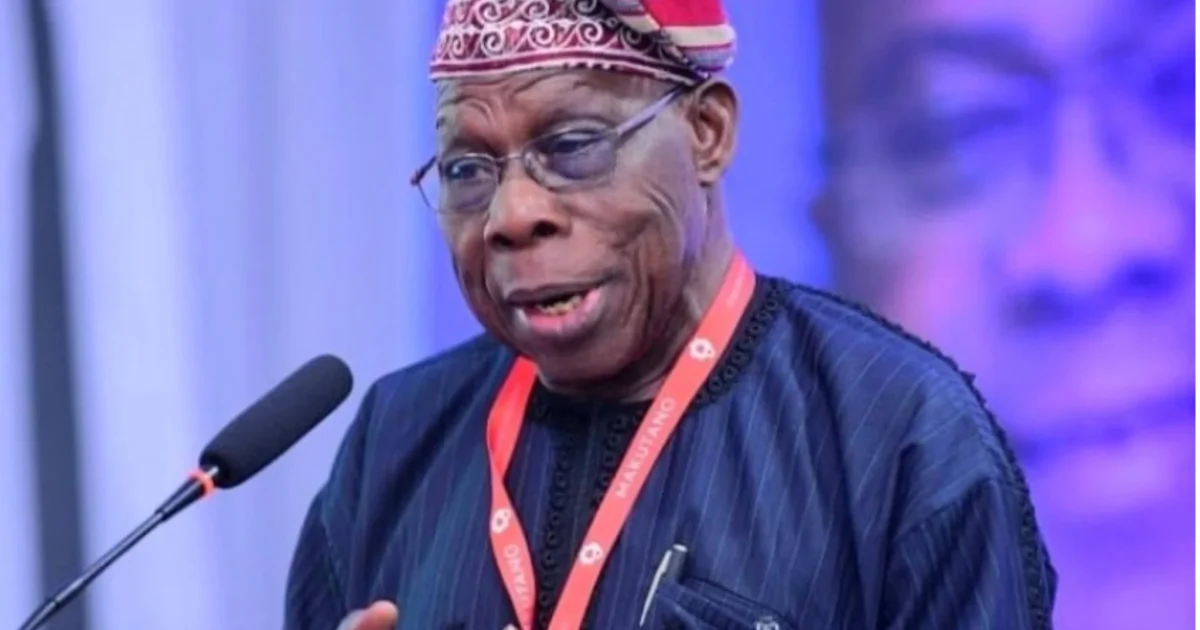
Former President Olusegun Obasanjo on Wednesday described the January 15, 1966 coup, the July 29, 1966 counter-coup and the annulment of the June 12, 1993 presidential election as some of Nigeria’s “black days.”
This is as he urged Nigerians to learn from those painful episodes to foster unity and national development.
Obasanjo spoke in Umuahia during the 60th memorial service held in honour of Nigeria’s first military Head of State, Gen. Johnson Thomas Umunnakwe Aguiyi-Ironsi, who was assassinated on July 29, 1966.
The former President also renewed his call for the restoration of History as a subject in Nigerian schools, warning that a nation that neglects its past risks repeating the mistakes of previous generations.
“Nigeria has many black days, and because of these black days, we must remember history to learn the right lessons,” Obasanjo said.
He said Nigerians must reflect on the country’s defining tragedies and focus on the lessons they offer rather than the divisions they created.
“July 29 is one black day in the history of Nigeria. January 15 is another black day. The annulment of June 12 was also a black day. But the question is: what lessons do we learn from them?” he asked.
According to Obasanjo, many of the nation’s historic crises were marked by exclusion, destruction and division, stressing that Nigerians should instead embrace inclusion, cooperation and national integration.
“Most of these black days excluded, destroyed and separated us. But we can learn the right lessons and draw inspiration for inclusion, construction, cooperation and bringing our people together,” he said.
Obasanjo also reflected on his relationship with Aguiyi-Ironsi, describing the late military leader as a father figure who treated younger officers with care and respect.
He commended Aguiyi-Ironsi’s military career, recalling his service during the United Nations peacekeeping mission in Congo, and highlighted his emergence as Nigeria’s first indigenous Captain, Major, Lieutenant-Colonel, Brigadier and Major-General.
He urged Nigerians to preserve the memories of leaders who made sacrifices for the country.
- Punch Newspapers Original article


