

…annual-average inflation climbed to an estimated 23.0 per cent in 2025, persistent tight monetary policy, combined with a gradually stabilising foreign exchange regime, has begun easing price pressures across major consumer categories. “Increased local refining capacity has further aimed to reduce energy import depende…

…to N22.65tn, or 18.3 per cent, from N123.95tn. The expansion comes amid a shift in monetary policy, following the CBN’s decision in September to cut its benchmark interest rate to 23 per cent from 26.5 per cent. CBN data showed that broad money supply rose from N125.19tn in April to N129.54tn in May, before increasing…

…supply and demand, crude-oil receipts, domestic production, capital flows, reserves, monetary policy and investor confidence. Subsidy restoration could add depreciation pressure, but its magnitude cannot be established by assertion alone. “Subsidy removal, however, should not be judged only by its fiscal benefits. High…
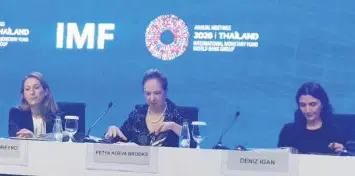
…think those are critical elements to building further resilience in the banking sector.” Monetary policy outlook Commenting on the recent decision of the Central Bank of Nigeria (CBN) to reduce its Monetary Policy Rate, MPR, by 350 basis points to 23 per cent, following the three consecutive months decline in the count…
…the confidence for capital to stay, return and grow,” he said. Cardoso said “credible monetary policy, stronger governance, improved market functioning and predictable rules” were critical for sustained investment. He noted that stabilisation “was not an end in itself, but a foundation for broader participation by long…

The Central Bank of Nigeria has said its decision to cut the Monetary Policy Rate from 26.5 per cent to 23 per cent was designed to stimulate productive activities while sustaining efforts to bring inflation down to single digits. The Director, Stakeholder Engagement and Institutional Relations Department of the CBN, M…
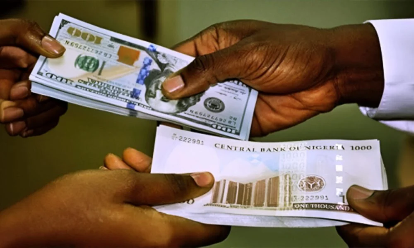
…window has been underpinned by recent improvements in foreign reserves and ongoing monetary policy measures by the Central Bank of Nigeria (CBN), which have helped curb sharp exchange rate fluctuations. The contained premium in the parallel market ranging roughly between ₦43 and ₦63 above the official rate indicates th…
…purchases, particularly houses, motor vehicles, investments and consumer durables.” Monetary policy preferences revealed a public divided by economic pain. While 62.2 percent of respondents indicated a preference for lower lending rates to ease borrowing, 45.1 percent favoured higher rates. Despite the current gloom, t…

…naira savings products, citing the Central Bank of Nigeria's recent adjustment of the Monetary Policy Rate (MPR) as the reason for the change.The bank informed customers through an official notice that four products were affected: the All Savings Account, Save-As-You-Spend, MyFirst Account, and Target Savings Account.…
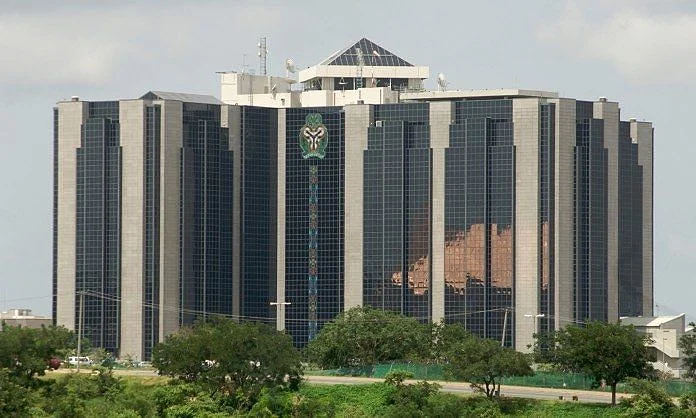
…the lower boundary of the current interest-rate corridor following the CBN’s recent monetary policy easing. The average Treasury bill rate also remained unchanged at 17.84 per cent, according to AIICO Capital. AIICO Capital expects money market rates to remain close to the 20 per cent floor as long as banking-system li…
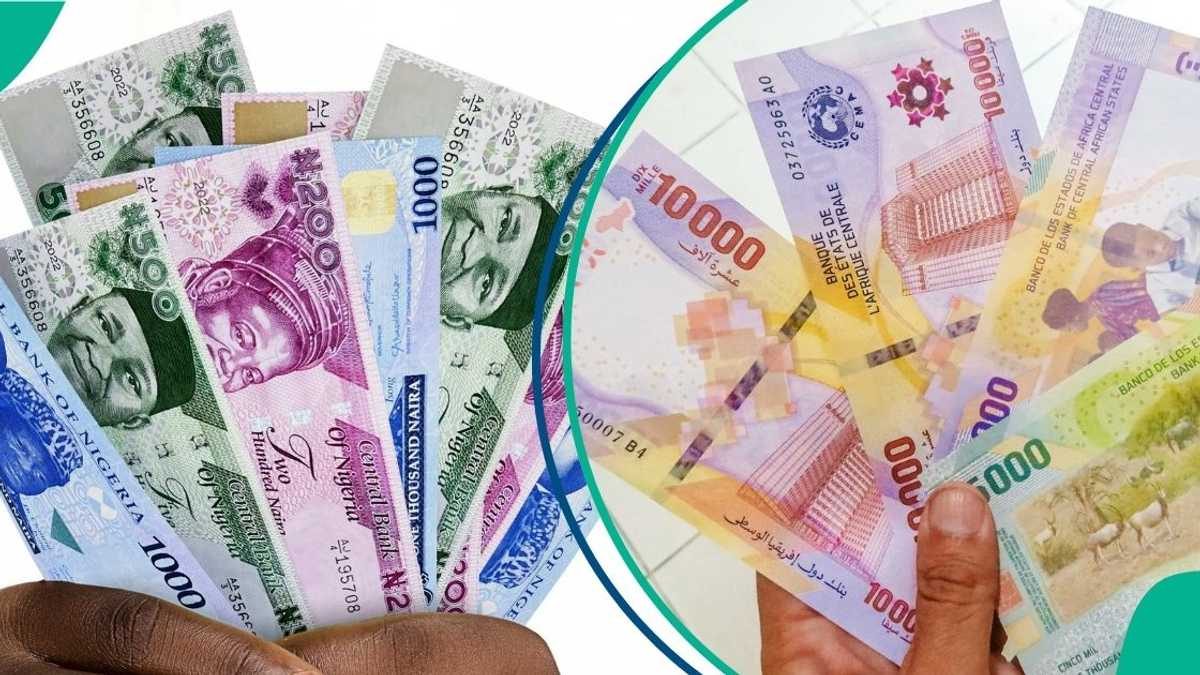
…a currency is economically “weak.” Currency denominations, redenominations, inflation, monetary policy and exchange-rate regimes can significantly affect such comparisons.Uganda, Ghana currencies face pressureCurrency pressures remain a concern across several African economies as businesses and consumers contend with d…
…securities. However, yields began to decline in September following a shift in monetary policy, with the CBN lowering stop rates across the three tenors. The stop rate on the 364-day bill fell to 15.89 per cent at the 23 September auction, down from a quarterly peak of 17.70 percent recorded on 8 July. A review of eigh…

…external reserves, a more resilient external position, moderating inflation and stronger monetary policy transmission. The Finance Ministry said its revenue strategy would remain a key component of the reform agenda, alongside fiscal discipline, debt management and a market-driven foreign exchange regime. It said the g…
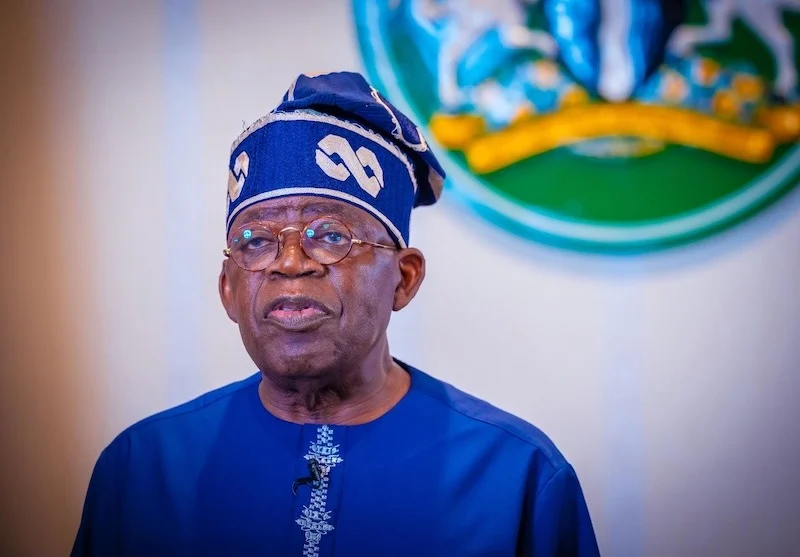
…exchange reserves, improved foreign exchange market functioning and more effective monetary policy transmission. It added that gradually higher oil production was expected to support economic growth in 2026 and 2027. “The change in outlook to positive from stable reflects improvements in Nigeria’s external position and…

…placed on the country’s public finances, while N1.24tn was attributed to the impact of monetary policy decisions on domestic debt service. Social welfare transfers accounted for N424bn, while N419bn went to the FCT, Ecological Fund and Natural Resources-related interventions. The higher naira cost of foreign obligation…

…between the monetary and fiscal policy. You see the government coming up with one monetary policy and on the other hand, the fiscal authority is also using a contradictory policy,” he stressed. He added, “You might agree with me that the manufacturing sector cannot be competitive in an environment where the government…
…in the country’s external reserves and other economic indicators to sustained monetary policy tightening, increased transparency in the foreign exchange market, and growing investor confidence. She said the foreign reserves had exceeded the CBN’s annual target, driven by sustained inflows and renewed participation by i…

…and capital-flow movements. The Central Bank of Nigeria is expected to retain a tight monetary policy stance, with room for gradual rate cuts if disinflation is sustained. PwC said the immediate policy priority should be to move beyond macroeconomic stabilisation towards inclusive growth by protecting household purchas…
…could be partly offset by continued exchange rate stability, the lagged effects of tight monetary policy, and favourable base effects” it noted. While reviewing the Nigeria’s economy in the first half 2026, H1’26, the NESG in its report titled “ Turning Potential into Progress,’ stated that the economy is expected to g…

…is expected to improve banks’ access to liquidity and strengthen the transmission of monetary policy across the financial system.FX turnover jumps 266 per centTrading activity also surged sharply on Monday, underscoring increased liquidity and participation in the interbank FX market.The number of deals rose by 29.93 p…

…was driven by a combination of factors, including exchange-rate stability and tight monetary policy, rather than fuel price reduction alone. He noted that the real challenge was that food prices and the cost of other essential household items remained high, meaning Nigerians were yet to benefit significantly from the l…

…on a month-on-month basis", NBS stated on X.Note that the Central Bank of Nigeria's Monetary Policy Committee, in July, retained the country's interest rate at 26.50 percent. by Linda Ikeji at 17/08/2026 6:53 PM | Share this Story

…because value addition is what creates wealth and employment,” Onafowokan said. On monetary policy, he backed the CBN’s decision to retain the Monetary Policy Rate at 26.5 per cent, describing it as the right balance between curbing inflation and maintaining macroeconomic stability. However, he predicted that the apex…

…deducted. Failure to remit tax deducted: 10 per cent per annum, plus the applicable CBN Monetary Policy Rate interest and the outstanding tax. VASP or P2P marketplace non-compliance: ₦10 million for the first month and ₦1 million for each subsequent month. False VAT refund claims: 100 per cent of the amount claimed plu…

…costs, Atiku said the administration bore direct responsibility, arguing that the Monetary Policy Rate had climbed sharply under Tinubu, crowding out the private sector and making borrowing too expensive for manufacturers.Atiku said food prices, unemployment, naira depreciation, and business closures represented the tr…