South Korea to Ease Visa Rules for International Students Amid Rising Numbers
The South Korean government plans to simplify visa processes for international students as their numbers surge.


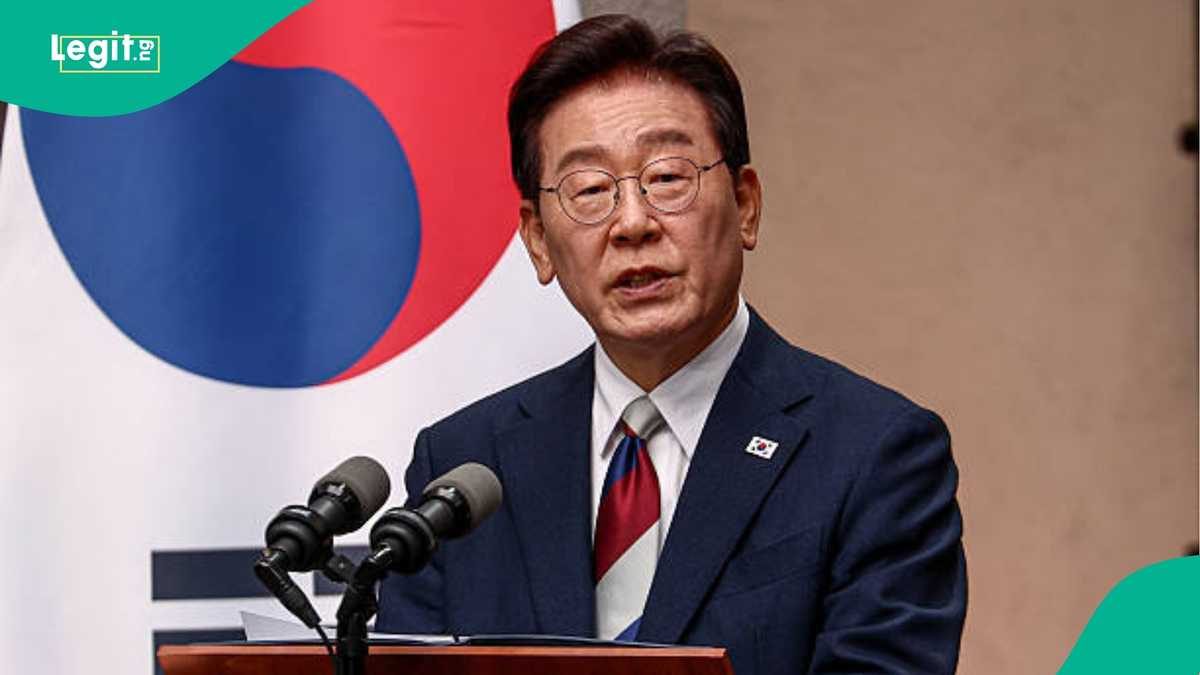
South Korea's Justice Ministry has unveiled a series of reforms aimed at making it easier for international students to study and settle in the country. This announcement, made on October 7, comes in response to a significant increase in the number of international students, which has surged from approximately 200,000 in 2022 to around 350,000 by August 2025.
The new measures include the removal of the requirement for students to prove they have sufficient funds for tuition and living expenses, provided they meet specific Korean-language proficiency standards. Students who achieve Level 4 or higher on the Test of Proficiency in Korean (TOPIK) or complete Level 4 of the Korea Immigration and Integration Programme will be exempt from this financial proof.
In addition to the financial requirements, the reforms introduce a new gap-year visa track, allowing students to explore educational and career opportunities in South Korea before committing to a university program. This initiative is part of a broader strategy to attract and retain international talent, as stated by the acting Justice Minister, Lee Jin-soo. He emphasized the importance of international students in the country’s immigration policy, saying, "International students are a key talent for South Korea's immigration policy. We will provide greater opportunities for growth to students who have a genuine purpose for studying and the necessary capabilities."
The proposed changes also simplify part-time work rules for students. Eligibility for part-time employment will now focus primarily on Korean-language ability and academic performance, with a minimum language requirement set at Level 3 of the Korea Immigration and Integration Programme. Students who secure part-time jobs through their universities will not need to submit additional documentation.
Furthermore, the ministry plans to revise the D-10 job-seeking visa, extending the length of stay based on a graduate's language skills and readiness for employment. Graduates in science and engineering fields who meet the necessary criteria will have the opportunity to transition to E-7 work visas, allowing them to work in designated sectors such as manufacturing. A new "K-Tech Master Visa" is also being introduced, which will facilitate the transition from study to long-term residence for graduates of specialized technical master's programs.
These reforms are expected to take effect in 2026, with some measures requiring further discussions among various government bodies before finalization. The initiative follows extensive consultations with stakeholders from the education and immigration sectors, reflecting a shift in focus from merely recruiting international students to providing comprehensive support throughout their academic and professional journeys.
As South Korea continues to expand its international student base, the government is also enhancing its immigration processes. Starting December 1, 2026, the Smart Entry Service will be expanded to include 18 eligible countries, allowing travelers aged 17 and above to bypass traditional immigration queues upon arrival. However, it is notable that no African nations are included in this expanded list, raising questions about accessibility for students from the continent.
These developments mark a significant step in South Korea's efforts to foster a more inclusive and supportive environment for international students, aligning with its broader immigration strategy.
Sources
- Legit Original article