Experts warn against boiling eggs and rice together to avoid food contamination
Dieticians urge Nigerians to separate cooking methods to prevent foodborne illnesses.


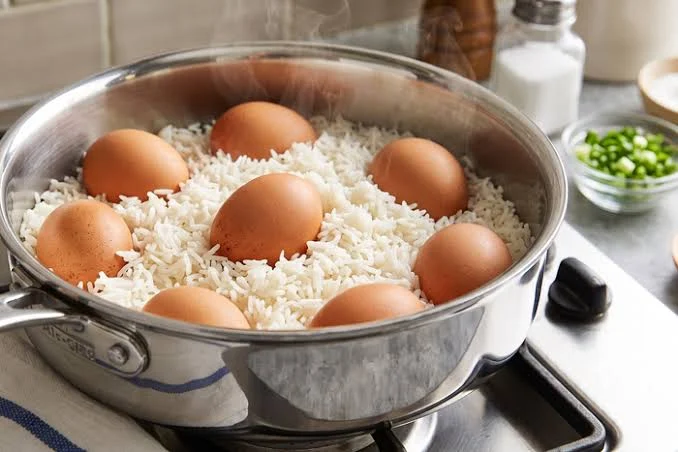
Health experts are advising Nigerians to stop the practice of boiling unpeeled and unwashed eggs alongside rice in the same pot, citing significant health risks associated with cross-contamination. Registered dietician-nutritionists have highlighted that bacteria such as Salmonella and E. coli, often found on eggshells, can contaminate rice during the cooking process.
The warning comes in light of a recent viral discussion on social media, where many users shared their negative experiences after consuming meals prepared by boiling eggs and rice together. According to nutritionists, while boiling can kill bacteria, the water must reach a boiling point, and the gradual warming phase allows bacteria to survive and potentially transfer to the rice.
James Oloyede, a seasoned nutrition and public health practitioner, emphasized the risks involved in this cooking method. He explained that when eggs are boiled with rice, there is a real possibility that Salmonella bacteria present on the eggshell can contaminate the rice. "Cooking egg and rice together in the same pot has been found to be a risk factor in cross-contamination of certain bacteria, especially Salmonella," Oloyede stated.
Oloyede further elaborated that rice begins absorbing water immediately after being placed in the pot, which can include any contaminants present. This absorption process starts as the water heats up, increasing the risk of bacteria being absorbed along with the water. He noted that the integrity of the eggshell is also at risk, as it can crack during cooking, leading to egg contents spilling into the rice, thus altering its taste, appearance, and smell.
Despite the convenience of cooking both foods together to save time and reduce gas consumption, experts stress that food safety should take precedence. Oloyede pointed out that the potential costs associated with foodborne illnesses, including medical expenses and lost productivity, far outweigh the benefits of cooking eggs and rice simultaneously.
Another nutritionist, Charles Oguikpe, echoed these concerns, warning that contaminants from eggshells can pose serious health risks. He explained that these contaminants could originate from poultry droppings, and washing the eggs does not guarantee their complete removal. Oguikpe highlighted the potential health consequences of consuming contaminated food, which can include stomach cramps, diarrhea, and in severe cases, kidney complications.
To mitigate these risks, both nutritionists recommend that Nigerians adopt the practice of cooking eggs and rice separately. Oloyede suggested that if individuals still wish to save time, they could consider tying eggs in a nylon bag while boiling rice, but he reiterated that the safest option remains cooking them separately.
The emphasis on food safety is particularly critical in light of the rising costs of living, including the price of cooking gas. However, the health implications of cross-contamination should not be overlooked, as they can lead to significant long-term consequences for individuals and families alike. Experts urge the public to prioritize health over convenience when it comes to food preparation.
Sources
- Punch Newspapers Original article