Professor Amaeshi advocates for tax accountability to boost compliance in Nigeria
At a recent lecture, Professor Kenneth Amaeshi emphasized the need for transparency in tax utilization to enhance compliance among Nigerians.


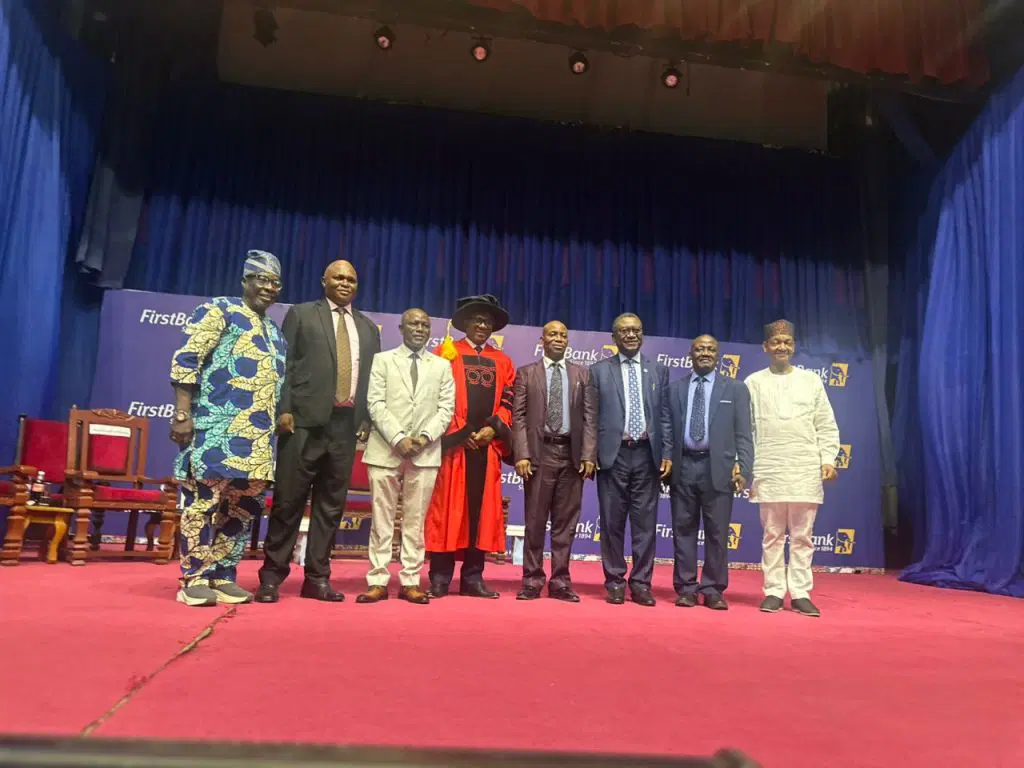
During the inaugural public lecture of the First Bank Samuel Asabia Professorial Chair in Business Ethics at the University of Lagos, Professor Kenneth Amaeshi highlighted a crucial issue regarding tax compliance in Nigeria. He asserted that Nigerians do not inherently dislike paying taxes; rather, they seek assurance that their contributions will be effectively utilized for public good.
Amaeshi, who holds the First Bank Samuel Asabia Professorial Chair in Business Ethics, delivered his lecture on the theme, "Ethical Paradoxes, Small Businesses, and the Informal Economy: Lessons for Tax Compliance and Accountability in Nigeria." He pointed out that the underlying problems of poor accountability and diminishing public trust are significant barriers to tax compliance in the country.
"Nigerians do not necessarily hate tax. They just want to be convinced that their taxes would work," Amaeshi stated, emphasizing that without public confidence in the responsible use of tax revenues, efforts by the government to increase tax revenues would be futile. He warned that Nigeria is currently grappling with both low tax morale and low compliance rates, explaining that aggressive enforcement measures alone would not resolve these issues.
To address these challenges, Amaeshi called for enhanced transparency and accountability from tax authorities, as well as improved taxpayer education and effective communication strategies. He proposed the establishment of a tax accountability desk that would regularly update the public on how tax revenues are allocated and spent. This desk could operate under the Office of the Tax Ombud, he suggested.
In addition, Amaeshi recommended that tax revenues be earmarked for specific development projects. He argued that visible improvements resulting from taxpayer contributions could help restore public confidence and strengthen the social contract between the government and its citizens.
The event also featured remarks from Professor Akin Osibogun, Chairman of the Board of Trustees of the Professorial Chair, who stressed that businesses should prioritize ethical conduct and quality service over mere profit-making. He noted that the Samuel Asabia Professorial Chair, established in 1994, aims to promote business studies, research, and ethical leadership, and has recently been revitalized to fulfill these objectives.
Olusegun Alebiosu, Managing Director and CEO of First Bank, echoed the importance of ethical business practices for sustainable economic development, particularly within Nigeria's informal sector. He recognized the sector's role in providing livelihoods but cautioned that many businesses often prioritize survival over ethical practices.
The lecture gathered academics, business leaders, and stakeholders to discuss the ethical challenges facing Nigeria's informal economy and the critical role of accountability in enhancing tax compliance. The collaborative efforts from institutions like First Bank and the University of Lagos aim to foster a culture of ethical business practices and improve the overall economic landscape in Nigeria.
Sources
- Vanguard News Original article