Nigeria's health insurance enrolment exceeds 22 million but gaps remain
Despite a surge in health insurance enrolment, millions of Nigerians still lack coverage.


Nigeria has seen a significant increase in health insurance enrolment, with the National Health Insurance Authority (NHIA) reporting that over 22 million citizens are now covered. As of July 2026, enrolment reached 22.03 million, marking a 35 percent rise compared to the previous year. This surge is largely attributed to the government's push for mandatory health insurance under the NHIA Act, which aims to provide broader coverage for all Nigerians.
The increase in enrolment reflects heightened participation in various health insurance programmes, particularly those backed by federal and state governments. Data from the NHIA's fourth-quarter dashboard for 2025 indicates that state social health insurance agencies have contributed significantly, accounting for 9.74 million beneficiaries, while NHIA-managed programmes covered 7.07 million.
However, despite this growth, a substantial coverage gap persists, leaving millions of Nigerians vulnerable to escalating out-of-pocket healthcare costs. Many low-income households and informal sector workers continue to face financial risks due to their reliance on direct payments for medical treatment. This situation has raised concerns about the potential for catastrophic health expenditure, prompting calls for more comprehensive insurance coverage, especially for the most vulnerable populations.
The NHIA Act, enacted in 2022, replaced the former National Health Insurance Scheme and established a framework aimed at expanding health insurance coverage across the country. The NHIA operates various programmes targeting formal sector workers, organized private-sector employees, and vulnerable groups, while state agencies enhance coverage at the local level. Plans are in place for these state schemes to create equity funds to extend insurance protection to poorer residents.
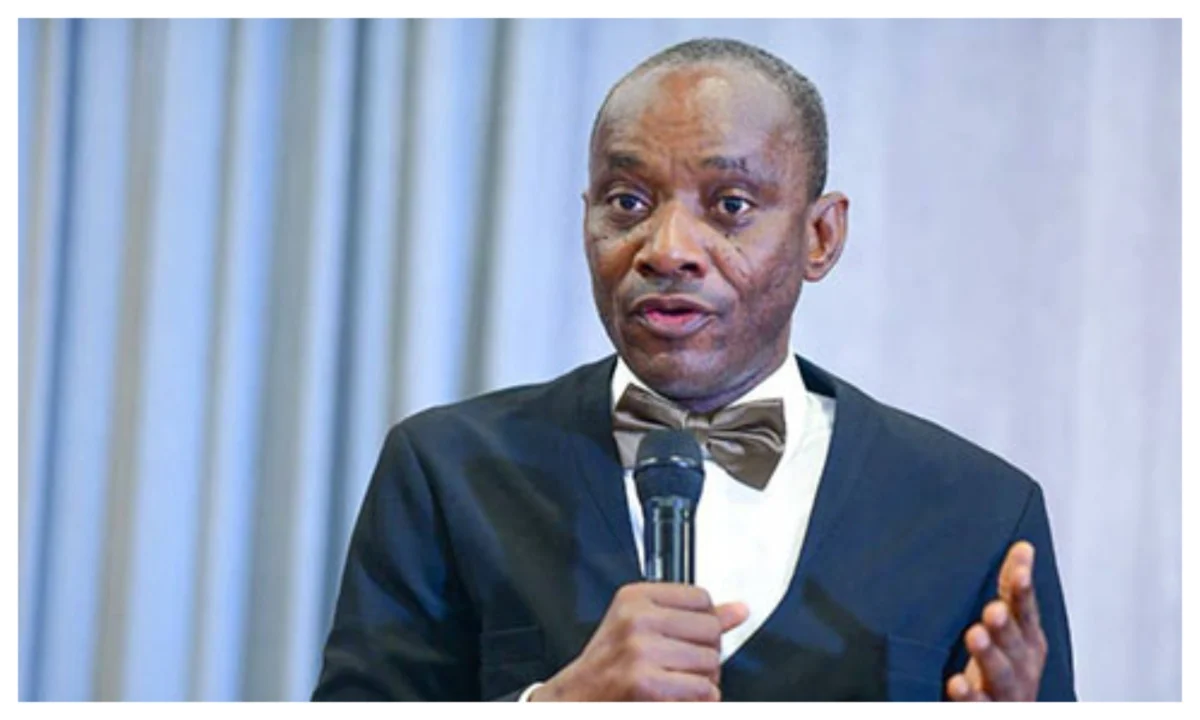
Despite the positive enrolment figures, industry experts caution that simply increasing numbers will not suffice to achieve universal health coverage. Dr. Moyosore Olomola, Managing Director/CEO of SUNU Health Nigeria Limited, emphasized that the slow pace of health insurance expansion is primarily due to structural challenges rather than a lack of interest from the public. He stated, "The obstacles are structural, not attitudinal, and I want to push back on the narrative that Nigerians simply do not value health insurance."
Olomola highlighted that when health insurance products are accessible, affordable, and claims are settled promptly, enrolment tends to increase. He identified several critical barriers to wider enrolment, including income volatility, inadequate provider networks, and low public trust in health insurance schemes. He noted that about 80 percent of Nigeria’s workforce earns irregular or seasonal income, making it difficult for many to meet the upfront payment requirements for health insurance premiums.
To address these issues, Olomola called for the introduction of flexible premium collection methods, increased investment in healthcare provider networks in underserved areas, and stronger accountability measures for both Health Maintenance Organizations (HMOs) and healthcare providers. These steps are essential to accelerate enrolment and support Nigeria's goal of achieving universal health coverage.
Sources
- Punch Newspapers Original article