Presidency criticizes Atiku's petrol subsidy plan as economically flawed
The Presidency has condemned Atiku Abubakar's proposal to reinstate petrol subsidies, calling it economically unsound.


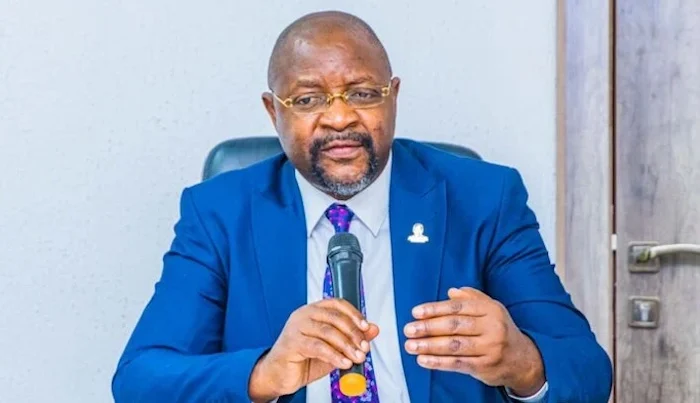
The Presidency has strongly criticized the petrol subsidy plan proposed by Atiku Abubakar, the presidential candidate of the African Democratic Congress (ADC), ahead of the 2027 general elections. In a statement released on X, Sunday Dare, the Special Adviser to President Bola Tinubu on Media and Public Communication, labeled the plan as an ‘arithmetic flaw’ that could have severe economic repercussions.
Dare articulated that Atiku's proposal to supply crude oil to local refineries at preferential prices would create significant challenges, including fiscal deficits, market distortions, and potential smuggling issues. He emphasized that selling crude oil below market value could lead to a substantial decrease in revenue for the three tiers of government, which would ultimately affect funding for essential services such as education, healthcare, and security.
In his statement titled ‘The Arithmetic Flaw in Subsidising the Barrel,’ Dare posed a critical question: “Who Pays the Bill?” He explained that the sale of federation crude at reduced prices would create an immediate fiscal shortfall in the Federation Account, thereby slashing allocations to federal, state, and local governments.
Furthermore, Dare raised concerns about the impact of preferential pricing on competition within the downstream petroleum sector. He warned that such an arrangement could lead to the emergence of artificial monopolies, jeopardizing smaller indigenous modular refiners and conflicting with the deregulatory provisions established by the Petroleum Industry Act.
The potential for a resurgence of fuel smuggling was also highlighted in Dare's remarks. He cautioned that if subsidized petrol is sold at significantly lower prices in Nigeria compared to neighboring countries, it would inevitably lead to cross-border fuel arbitrage, regardless of any measures taken to prevent it. “Any regime that creates a wide gap between Nigerian pump prices and neighbouring West African markets guarantees a return of cross-border fuel arbitrage, no matter how many ‘auditors’ are promised,” he stated.
This latest critique from the Presidency underscores ongoing tensions in the political landscape as Nigeria approaches the upcoming elections. The debate over petrol subsidies remains a contentious issue, with various stakeholders advocating for different approaches to managing the country’s oil resources and economic stability.
Sources
- DailyPost Original article